




Learn More: Creating a Modern Fleet While Maintaining Compassion
Collaborating with Fleet Leaders Translates to Success
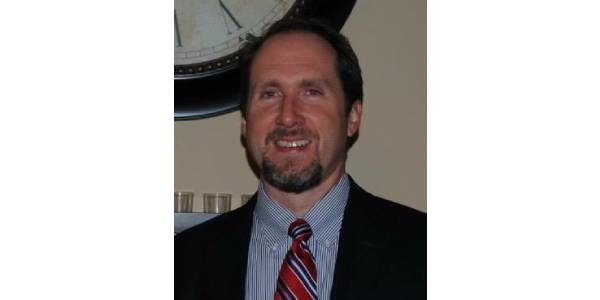
Michael Wallace is proud to work in a community where everyone has each other’s backs.

Lexi Tucker・Senior Editor
4 min to read

Mike Wallace
Michael Wallace, CAFM, CPFP, maintenance manager for the City of Tulsa, Okla., Asset Management Department, has had a vast array of experiences that led him to eventually become a fleet manager. After college, he worked in a variety of fields in the private sector, from large Fortune 500 companies to small family owned businesses. A few of these experiences had ties to automotive or transportation sectors, and he found himself more drawn to this field as time went on.
After almost 15 years in private sector employment, he saw an opportunity to try public service with the City of Tulsa. He applied for a fleet service writer position in the Equipment Management Department.
“I still remember the HR recruiter discussing other higher paying jobs available with the city that she felt may have been a fit for me to come on board. Instead, I took the service writer position because of my perceived love of all things automotive, and I am glad things worked out the way that they did,” he explains.
From service writer, he became a shop supervisor and rotated through different shops building more experience in both heavy and light transportation. A few years after that, he was promoted into the fleet maintenance manager position and has been there ever since.
“I’m not sure I know many people in this field who always wanted to be a fleet manager. But for me, I’m glad things lined up this way. I always tell my wife, daughter, neighbors, and friends - anyone who will listen - ‘I’m the luckiest guy in the world getting to do what I do.’ Sometimes they think I’m joking around due to my dry sense of humor, but I really do mean it. I enjoy this work, the people I do this with, and I can’t imagine doing anything else.”
Walking a Path Together
No matter the struggle you may be facing, Wallace states the most important fact to realize is you’re not in this alone.
“By nature, I think I’m more of an introvert, so I thought I had to do everything by myself when starting out. After a while, I discovered how fantastic the fleet community is. There’s someone who has been there before and people in fleet always seem to be willing to help.”
While original ideas will certainly get you far, there’s no reason why you shouldn’t listen to what others have done to solve similar issues you may be dealing with.
“You either try to replicate what worked for them, or pick out the parts you like and make your own version of it,” he says.
When he took on the fleet manager job in 2014, the city was finishing up the process of what felt like the possibility of being outsourced. The city had been looking for new efficiencies, and fleet maintenance had been described as “low hanging fruit.” Instead of taking a “woe is me” attitude, the team took what had been a place of low morale and continued to improve each year until they achieved the #1 Leading Fleet award in 2018.
“In my opinion, the credit for that was not just for the Tulsa team that worked so hard to improve each year, but to the entire fleet community that shared their ideas with us along the way.”
Staying Active Every Day
The one fact about being a fleet manager most can relate to is one cannot possibly get bored in the position.
Fleet managers carry the responsibility of doing everything possible to keep a municipal fleet going every day, whether it’s something they do on their own, or something they can support a team to accomplish. One day you might find yourself conducting a presentation for the city council, media, and the mayor’s management team about why fleet replacement funds need to be considered and prioritized in the next voter approved sales tax funding package. Then you might follow that up with grabbing a squeegee and pushing ice water out of the bays as the shop runs snow trucks through for blade changes during a winter event.
“If I hit a wall on what I’m currently working on, I just shift gears and move on to something else. There is always plenty to do and lots of diversity of task,” he says.
Subscribe to Our Newsletter
More Operations

How St. Johns County Turned Fleet Data Into Better Replacement Decisions
St. Johns County, Florida, had fleet data, but turning it into reliable decision guidance was another matter. Instead of starting over with a new fleet management system, the county connected existing tools and built a scoring system that gives managers an objective look at fleet health.
Read More →
Fleet Forward Conference Introduces One-Day Passes for 2026
New one-day registration lets fleet professionals attend Tuesday, Wednesday, or Thursday, with passes available for $249.
Read More →
ENC Unveils its ZAVIR Medium-Duty Shuttle
Two variants of the concept shuttles were revealed: a low-floor configuration and a high-floor configuration.
Read More →
Could Your Next Fleet Technician Start as an Intern?
What if your next technician hasn’t worked in a fleet shop yet? What fleets are doing to free up time.
Read More →
How Phoenix Is Building Its Next Generation of Fleet Technicians
With more than 8,000 vehicles and pieces of equipment to maintain, the City of Phoenix could not afford to wait for fully trained technicians to walk through the door. Instead, they revamped their entire workforce strategy and showed how public fleets can create their own talent pipeline while preparing existing employees for increasingly complex vehicles.
Read More →
What’s Slowing Your Fleet Down?
Could a change in how work gets done help your fleet return vehicles to service sooner?
Read More →
Can Public Fleets Trust the Data Driving Their Decisions?
Public fleets have more data than ever, but inconsistent records and missing information can still undermine maintenance, replacement, and cost decisions.
Read More →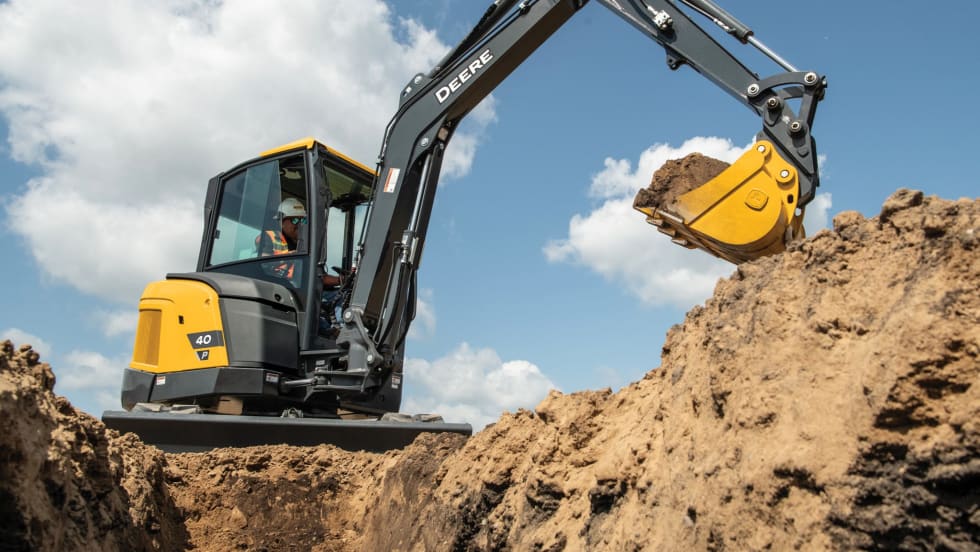
John Deere Introduces 40 P-Tier Compact Excavator
John Deere is adding a compact excavator designed for crews that need to move equipment between jobsites and handle multiple types of work with one machine. The 40 P-Tier weighs less than 10,000 pounds and offers configurable hydraulics, attachment options, and connected fleet-management capabilities.
Read More →
How Leading Fleets Improve and Why Business Plans Matter
This week, we look at what past Leading Fleet winners can teach us about making progress, plus how to build a business plan your fleet will actually use.
Read More →
Nominate a Fleet Leader for the 2027 Public Fleet Hall of Fame
Do you know a fleet leader who has made a lasting impact on the industry? Nominate this fleet professional for the 2027 Public Fleet Hall of Fame.
Read More →