




Changing Cultures in Philadelphia
Facing serious budget cuts in 2004, the City's fleet department began reducing the fleet vehicle total, a process that had to overcome long-established practices and oppostion.
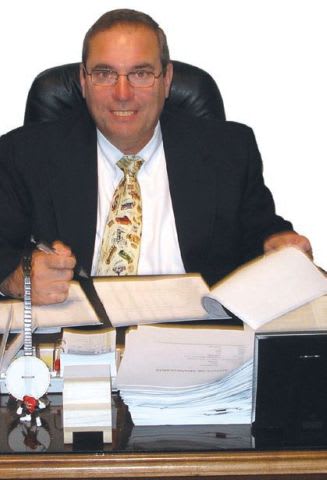
To lower costs and produce operational savings, Fleet Manager Jim Muller cut the City of Philadelphia’s fleet size.

Philadelphia faced serious budget deficits in 2004. Then Mayor John Street asked all city departments to develop ways to cut costs and produce operational savings. The fleet department, under the direction of Fleet Manager Jim Muller, realized the most effective method to produce savings was to cut the City’s fleet size. However, one solution required a change in culture, one that was "tremendously difficult, but our biggest accomplishment," said Robert Fox, the City’s administrative services director.
"What we found was that a large number of administrative vehicles were necessary for conducting the City’s business, but they were not needed all the time. We couldn’t cut a vehicle in half to share between the parks or administration departments, for example. But they needed transportation," Fox explained.
After investigating how other cities handled the problem of providing necessary, but less than fully-utilized transportation, Muller contracted with a local nonprofit company, Philly Car Share, a vehicle-sharing company that provides all-green, hybrid cars. Philly Car Share vehicles are parked in and around the center city area, conveniently accessible to city staff, said Fox. Vehicles are reserved when needed. Use is tracked and payment is apportioned to fleet customer use.
While implementing the program, the fleet team faced opposition from some city employees, who were deeply opposed to the loss of personally-assigned city vehicles. "We were taking an established culture in a city with old, deeply entrenched attitudes," said Fox.
Muller first briefed the city manager with figures on savings the car-sharing program would realize for fleet, the result of eliminating not only 329 fleet vehicles, but also their attendant parts and maintenance expense.
"We got great backing from the city manager," said Muller. "Then I sent a letter to city commissioners, suggesting that if they had concerns, they could take them up with the city manager."
The fleet’s fuel-tracking system was used to determine which vehicles were underutilized and prospects for elimination.
"We went to the departments with those figures and asked them to explain why those underutilized shouldn’t be removed. With a lot of face-to-face discussions, we were able to convince departments the car-sharing program was in everyone’s best interest," said Fox.
Removing 329 underutilized vehicles saved the City $1 million a year in parts and maintenance costs. The city’s three-year Philly Car Share bill was less than $60,000, reported Muller. City staff who require full-time availability of a vehicle are reimbursed $150 per month for use of their personal vehicles.
"This type of program won’t work for everyone, but with city administration staff who need the transportation during business hours, it’s a good solution," said Muller. This "different solution" — and other cost-cutting measures that saved Philadelphia $9 million over five years and $1.7 in annual recurring efficiencies — prompted the city’s mayor to nominate the fleet organization for a Harvard University award.
The fleet achievement was one of 18 finalists from among 1,000 nominations in the "Innovations in American Government Awards," directed by the Ash Institute for Democratic Governance and Innovation at Harvard’s John F. Kennedy School of Government.
The award recognizes creativity, effectiveness, tangible results, significance, transferability, and the courage to change the status quo.
"We have come a long way from finding vehicles that no one knew we had with trees growing out of them. Technology and fresh ideas from everyplace now drive our culture of continuous improvements," said Fox.
More Operations

Is Keeping Older Fleet Vehicles Really Saving Money?
Is keeping vehicles longer saving money, and what happens when a diagnostic test points to the wrong fix?
Read More →
How Smart Fleet Strategy Can Help Local Government Agencies Do More with Less
Keeping a vehicle longer may ease this year’s budget, but what does it cost the next one? A closer look at fleet decisions can reveal opportunities to reduce spending while protecting essential services.
Read More →
Connect with Government Fleet on LinkedIn
From industry news and fleet management strategies to conversations with peers, Government Fleet's LinkedIn page offers public-sector fleet professionals another way to stay informed and connected.
Read More →
Town of Queen Creek Named Most Successful Fleet Award Winner of Inaugural RTA Fleet Success Awards
Five fleets were honored at RTA Connect 2026 in Chicago for excellence across resource efficiency, intentional culture, risk management, and stakeholder satisfaction.
Read More →
A buyer's guide to fleet management software in 2027
Buying fleet management software in 2027 means looking beyond features and price. As fleet operations, technology and expectations evolve, this guide explores what today’s fleet professionals should consider when choosing a system that can deliver value now and adapt to what comes next.
Read More →
Hazard Alerts, Fleet Car Sales Rise and a New Shuttle Concept
Fleet car sales doubled, but the bigger picture tells a different story in this week’s roundup.
Read More →
How St. Johns County Turned Fleet Data Into Better Replacement Decisions
St. Johns County, Florida, had fleet data, but turning it into reliable decision guidance was another matter. Instead of starting over with a new fleet management system, the county connected existing tools and built a scoring system that gives managers an objective look at fleet health.
Read More →
Fleet Forward Conference Introduces One-Day Passes for 2026
New one-day registration lets fleet professionals attend Tuesday, Wednesday, or Thursday, with passes available for $249.
Read More →
ENC Unveils its ZAVIR Medium-Duty Shuttle
Two variants of the concept shuttles were revealed: a low-floor configuration and a high-floor configuration.
Read More →
Could Your Next Fleet Technician Start as an Intern?
What if your next technician hasn’t worked in a fleet shop yet? What fleets are doing to free up time.
Read More →