




Fleet Managers Battle Escalating Cargo Theft with Advanced Tech
Are Your Surplused Vehicles Safe from Theft?
In addition to common-sense security measures, fleet managers must consider vehicle value, crime risk, and the cost and type of anti-theft systems in thwarting would-be thieves.
by Bill DeRousse
January 1, 2008
Fleet managers must evaluate parking areas and provide proper security for vehicles.
Photo: Bobit
4 min to read
How do you ensure the security of your equipment?
This question was posed by a fleet manager in the Pacific Northwest to the Public Fleet Managers Association (PFMA). As the PFMA information officer and the fleet manager for the City of Everett, Wash., I thought there were two ways to look at this issue:
Equipment in use by departments.
Equipment turned in by departments awaiting auction.
The second item was of most interest to me since once a department turns in a surplused piece of equipment, its safekeeping becomes my direct responsibility.
With limited space to park surplused equipment, the questions for all of us are: where to store these items, how long will they be stored, and are they relatively safe until transported to auction or picked up for sale on the Internet? Until recently, my record of safeguarding surplused equipment was flawless — not because I had done anything specifically to safeguard equipment. I had just been lucky.
Theft Provides a Cautionary Fleet Tale
I received a call from Bob Carlson, City of Everett maintenance & operations supervisor, who informed me that one of our stripped police cars was missing. I thought perhaps someone had simply moved it. However, after checking with staff, it was clear the vehicle hadn’t been moved.
At this point, the next step was to call the police and fill out a stolen vehicle report. Fortunately, within an hour of submitting the report, the police located the car. We were told the car had been picked up earlier by a towing company. (It seems the car thief might have gotten scared and abandoned the vehicle along the side of the road.) To our surprise, there was no damage. After we paid $375 to the tow company, the car was ours again.
What could I have done to prevent the theft, and what did I find out that may have contributed to the theft?
I relate this story because we can all find ourselves in this situation. We must review our security measures and costs, and evaluate whether the cost justifies the theft risk.
In my case, on the day of the theft, I found four of 10 cars unlocked in our custody awaiting auction. I made it easy for our thief. I locked the cars and e-mailed my staff, asking for help in ensuring surplused vehicles were locked.
In the spot where the stolen car was found, we also found a Slim Jim, a thin strip of metal used to open locked automobile doors. The door may have been locked and the car thief dropped the Slim Jim after opening the door and driving away.
The only place available to store our surplused equipment is 11/2 blocks away in an open, isolated parking lot. Anyone can walk in and out, at any time, without fear of detection, particularly at night. During the day, vehicle traffic in the general area provides a small amount of oversight.
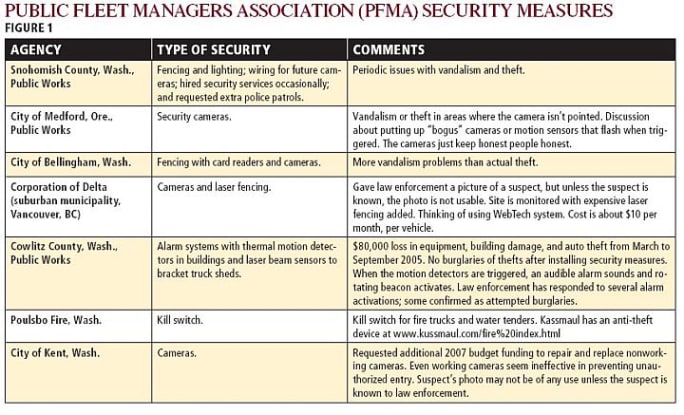
Source: Public Fleet Managers Association
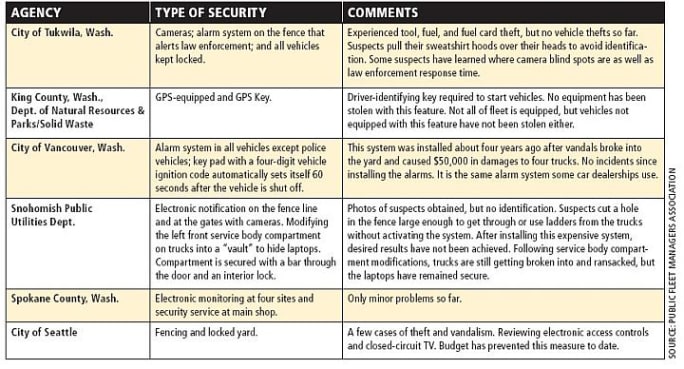
The Public Fleet Managers Association asked members what steps they take to secure parking lots.
Source: Public Fleet Managers Association
Balancing Value and Cost
The question is whether we need to secure our vehicle storage lot or add a steering wheel lock like the "Club." The "Club" would be a far less expensive approach and could be used on different vehicles.
However, our stolen vehicle record remains at one car. What cost is justified to prevent a loss that didn’t happen? (We got our car back.) The other important factor is the vehicle’s worth. We need to consider its value in the equation. If securing our storage lot costs thousands, what is our savings? In our case, the car was worth approximately $2,500. We can’t buy much of a security system for that amount.
I’d be hard-pressed to convince our mayor to authorize spending thousands of dollars to prevent a potential $2,500 loss.
Certainly, attorneys may suggest liability issues should a stolen vehicle be involved in an accident or injury. We would be questioned about performing due diligence to prevent the theft. However, I am not sure we can do enough to prevent a determined thief from stealing a car or other piece of equipment above common sense precautions such as locking vehicles and removing the keys.
The PFMA queried members on their parking lot security measures. A summary of their responses are found in Figure 1.
I believe the bottom line is this — fleets operating in high-crime areas will be victims of some level of vandalism or theft and their level of security might need to be extreme. Each fleet manager must evaluate where active equipment and surplused equipment is parked and select a level of security that matches the level of risk.
Subscribe to Our Newsletter
More Fuel
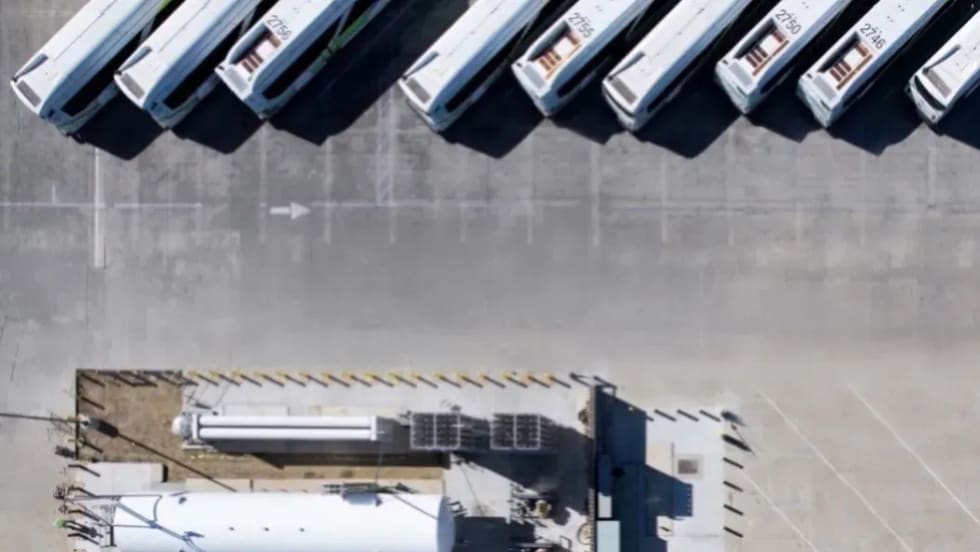
Clean Energy to Build Hydrogen Station for Orange County Transportation Authority
The new station will support the agency’s growing fleet of zero-emission hydrogen fuel cell buses.
Read More →
Sponsored•July 7, 2026
How Fleet Managers Reduce Fuel Waste and Protect Budgets
When fuel prices swing, fleet averages don’t tell the whole story. This white paper helps fleet and operations leaders uncover where fuel waste really hides and what data they need to build a smarter, more resilient fuel strategy.
Read More →
Planning for Future Technologies: Hydrogen and Beyond
As public agencies work to cut emissions from off-road operations, fleets are turning to a mix of renewable fuels, hybrid systems, battery-electric equipment and emerging hydrogen technology.
Read More →
RoadFlex Expands Fuel Network with Refuel Partnership
RoadFlex expands its fueling network for public sector fleets through a new partnership with Refuel, adding more than 250 locations across the Southeastern U.S. to improve access, savings, and efficiency.
Read More →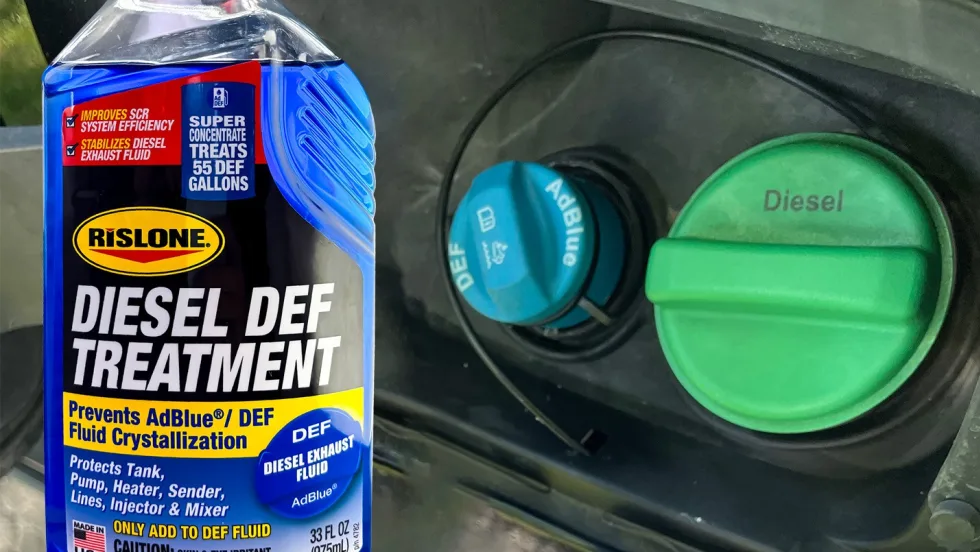
Rislone DEF Treatment Designed to Keep Diesel Exhaust Fluid Crystal-Free
Rislone is rolling out a super-concentrated version of its Diesel DEF Treatment that is designed to stabilize and improve diesel exhaust fluid.
Read More →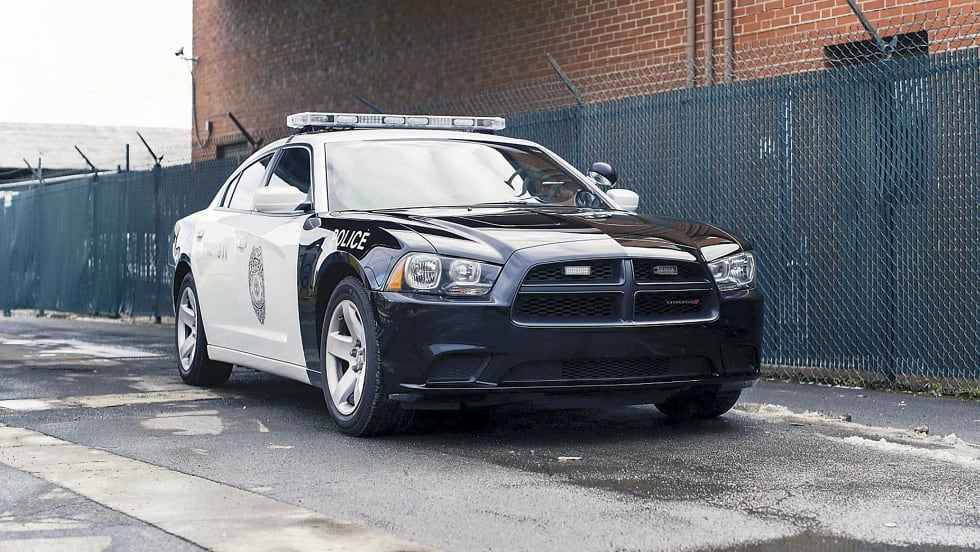
Are Bi-Fuel Propane Autogas Vehicles Making Law Enforcement Fleets More Resilient, Cost-Effective?
How a Florida sheriff office’s choice in fuel system led to a healthier budget, increased resiliency, and decreased emissions.
Read More →
Fleets All-In On Fuel Management Tech
Fuel management can become a tricky obstacle, but smart strategies and new tech have turned it into a well-oiled machine where price prediction is art, and cost control is science.
Read More →
Prepare Diesel Trucks for Winter with Diesel Exhaust Fluid
Understand proper DEF purchasing, handling, and storage practices in order to meet regulatory requirements and operates at peak performance.
Read More →
Diesel Exhaust Fluid (DEF) Locator
Yara, a diesel exhaust fluid (DEF) producer, offers a DEF locator website to help get the fluids fleets need.
Read More →
Gas vs. Diesel: The Bad Investment Only Fleet Managers Know About
A major point of debate in fleet management is using diesel vs. gas cars and trucks. Choosing to purchase gasoline engines instead of diesel ones for medium-duty trucks may be an unpopular decision, but is it the right one?
Read More →