




Indianapolis to Require Plug-in Hybrid or EV Purchases for Its Non-Police Passenger Vehicle Fleet
INDIANAPOLIS – Beyond plug-in hybrids and EVs, the City’s goal is to have all of its sedans, other light-duty vehicles, its heavy-duty units, and its police vehicles equipped with alternative powertrain types by 2025.
INDIANAPOLIS – Indianapolis’ Mayor Greg Ballard signed an executive order on Wednesday that requires the purchase of plug-in hybrids or electric vehicles (EVs) for the non-police passenger vehicles in the City’s fleet, which will lead to the eventual replacement of all current models that meet those criteria with alternative-powertrain models.
In addition to the executive order, Ballard and his staff have outlined a plan that details the steps the City needs to take to achieve the goal of converting its entire fleet so its vehicles can run on a type of fuel or power source other than gasoline or diesel. The City’s goal is to have all of its sedans, other light-duty vehicles, its heavy-duty units, and its police vehicles equipped with alternative powertrain types by 2025.
Government Fleet magazine contacted the Ballard's office to find out more about this program beyond what was in the official release. Out of the 3,135 vehicles in the City’s fleet, 470 are non-police sedans, 1,957 are police pursuit and other law enforcement vehicles, 121 are fire trucks, 387 are pick-up trucks and SUVs, and 200 are heavy-duty models. Switching passenger vehicles over to plug-in hybrids and EVs would be a major change for the fleet, as the City currently operates approximately 120 hybrids, such as the Toyota Camry Hybrid and Ford Fusion Hybrid.
According to a spokesperson, Indianapolis does not currently have any compressed natural gas (CNG), plug-in, or all-electric vehicles. In terms of the return on investment, switching to plug-in hybrids and EVs would save roughly $12,000 over the 10-year life cycle of each vehicle based on the City’s current calculations.
The City hasn’t decided on any specific plug-in hybrid or EV models yet, and the spokesperson said Indianapolis is open to working with all of the automakers that offer those types of alternative-powertrain vehicles. The spokesperson added that the City anticipates taking delivery of its first plug-in hybrid vehicle early next year, depending on inventory levels and negotiations with automakers.
Beyond replacing existing traditionally fueled vehicles with plug-in hybrids and EVs, the City is also looking to work with an automaker to develop the world’s first plug-in hybrid police vehicle. The City’s goal for this program is for the vehicle to meet the needs of Indianapolis’ police force. According to the City, if the vehicle could achieve fuel economy of 40 mpg and meet officers’ needs, a fleet of them would save Indianapolis’ taxpayers $10 million per year.
The City isn’t focusing only on plug-in hybrids and EVs, though, and it’s working with various partners, such as Energy Systems Network, to convert its fleet of heavy-duty vehicles (snow plows and refuse trucks, for example) to run on CNG.
To pay for all of these updates the City plans to use normal replacement funds as current vehicles reach the end of their life cycles. According to the spokesperson, the City hasn’t received any federal funds for this program. The City generally uses available state and regional government purchasing contracts to get the best price for taxpayers but is open to using different purchasing contracts, the spokesperson told Government Fleet.
In addition to these changes, the City’s spokesperson said maintaining a fleet of appropriate size to achieve City government objectives and meet taxpayers’ needs is part of the City’s ongoing mission to manage its fleet effectively. Indianapolis’ Fleet Services Department is ranked number 21 on the 100 Best Fleets list for 2012.
By Greg Basich
More Fuel
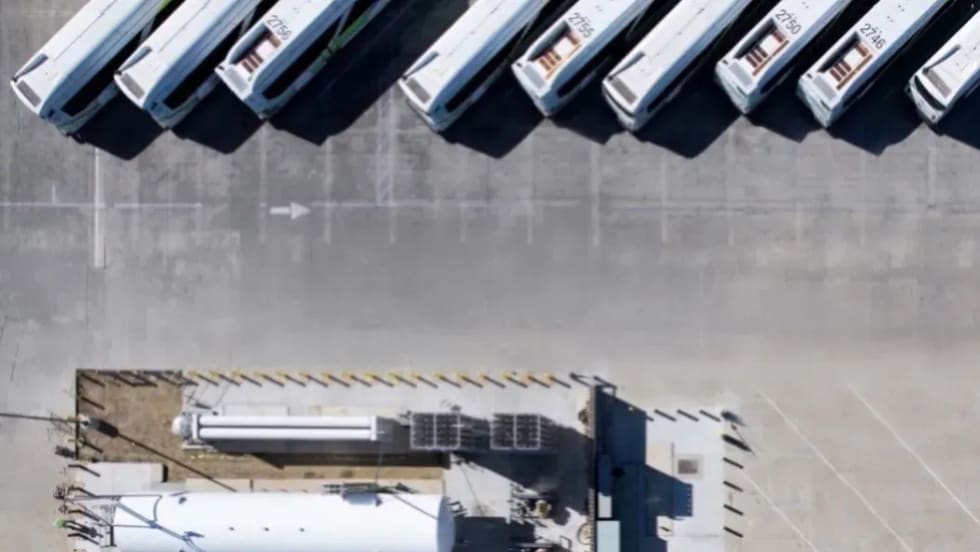
Clean Energy to Build Hydrogen Station for Orange County Transportation Authority
The new station will support the agency’s growing fleet of zero-emission hydrogen fuel cell buses.
Read More →
How Fleet Managers Reduce Fuel Waste and Protect Budgets
When fuel prices swing, fleet averages don’t tell the whole story. This white paper helps fleet and operations leaders uncover where fuel waste really hides and what data they need to build a smarter, more resilient fuel strategy.
Read More →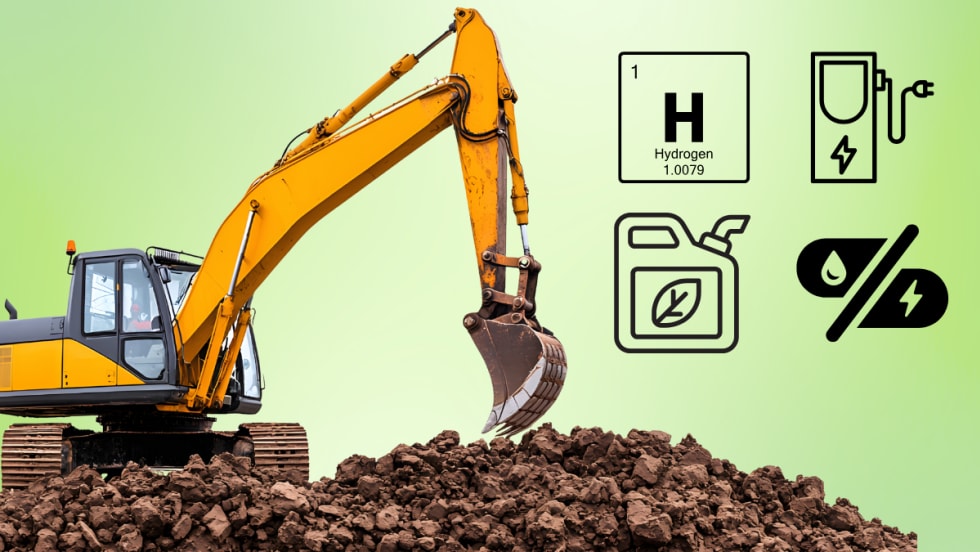
Planning for Future Technologies: Hydrogen and Beyond
As public agencies work to cut emissions from off-road operations, fleets are turning to a mix of renewable fuels, hybrid systems, battery-electric equipment and emerging hydrogen technology.
Read More →
RoadFlex Expands Fuel Network with Refuel Partnership
RoadFlex expands its fueling network for public sector fleets through a new partnership with Refuel, adding more than 250 locations across the Southeastern U.S. to improve access, savings, and efficiency.
Read More →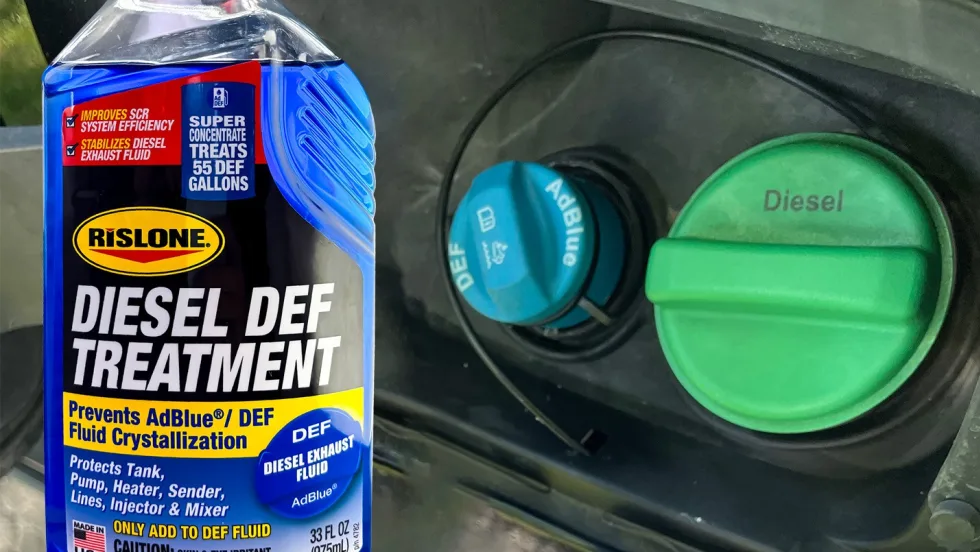
Rislone DEF Treatment Designed to Keep Diesel Exhaust Fluid Crystal-Free
Rislone is rolling out a super-concentrated version of its Diesel DEF Treatment that is designed to stabilize and improve diesel exhaust fluid.
Read More →
Are Bi-Fuel Propane Autogas Vehicles Making Law Enforcement Fleets More Resilient, Cost-Effective?
How a Florida sheriff office’s choice in fuel system led to a healthier budget, increased resiliency, and decreased emissions.
Read More →
Fleets All-In On Fuel Management Tech
Fuel management can become a tricky obstacle, but smart strategies and new tech have turned it into a well-oiled machine where price prediction is art, and cost control is science.
Read More →
Prepare Diesel Trucks for Winter with Diesel Exhaust Fluid
Understand proper DEF purchasing, handling, and storage practices in order to meet regulatory requirements and operates at peak performance.
Read More →
Diesel Exhaust Fluid (DEF) Locator
Yara, a diesel exhaust fluid (DEF) producer, offers a DEF locator website to help get the fluids fleets need.
Read More →
Gas vs. Diesel: The Bad Investment Only Fleet Managers Know About
A major point of debate in fleet management is using diesel vs. gas cars and trucks. Choosing to purchase gasoline engines instead of diesel ones for medium-duty trucks may be an unpopular decision, but is it the right one?
Read More →