




CHICAGO — If you rejected light-emitting diode technology for vehicle lights a few years ago, look again. The cost has come down and new colors and applications make LEDs an attractive alternative to incandescent lights, according to the Web site In Service Online produced by Fire Chief magazine. Light-emitting diode vehicle lights used to be expensive, dim and only available in a few shapes and sizes. Things have changed, however, and manufacturers now offer LED lights for many new applications. LED products began showing up on trucks several years ago. The first ones looked like they had a bad case of the mumps and were restricted to simple applications such as marker lights and stop/turn/tail lights. Red and amber were the only colors that could be manufactured at competitive prices, and even then LED lights were as much as 10 times more expensive than standard incandescent lights. What LED lights had going for them was excellent durability and long life — as much as 100,000 hours of life, or about 10 years of service. That was enough to make many big truck fleets switch to LED lights as a means of significantly reducing their never-ending maintenance expenses associated with burned-out light bulbs. The result has been a steady increase in the use of LED vehicle lights over the years and a corresponding decrease in price. At the same time, research has produced an increase in LED light intensity and developed new reflector technologies to alter the light beam width for different applications. One of the most significant outcomes of these changes is that LED lights can now be used for a wide range of emergency vehicle warning light applications. Several manufacturers offer LED warning lights and warning light bars that meet the NFPA 1901 upper- and lower-level lighting requirements for fire and rescue apparatus, as well as others that meet the KKK-1822 requirements for ambulances. Manufacturers also offer directional light sticks for use on the rear of vehicles to direct oncoming traffic. These new LED warning lights offer several advantages over other types of lights. For one thing, LED lights have excellent resistance to vibration and moisture — two of the biggest killers of incandescent light filaments. There are no internal bulb filaments to break, and the light-emitting diodes are sealed in epoxy-filled housings to resist attack by moisture. This makes them ideal for use in wildland, rural and heavy-duty urban environments, where off-road terrain, rough road surfaces and potholes would give other lights a severe beating. Another advantage is that LED lights have a very low current draw compared to other lights. For example, one manufacturer offers a complete NFPA vehicle warning light package — including all the required lights on the front, rear and sides on both upper and lower levels — with a total current draw of only about 16 amps. That´s about as much as a single halogen upper-level warning light bar draws by itself. The low current draw of LED lights minimizes the total electrical load when the engine drops to idle and allows more electrical equipment to remain in operation. LED warning lights can also easily produce variable flash patterns to meet different situations. For example, one pattern may be more effective in the "calling for right-of-way" mode when the apparatus is moving through traffic, while a different pattern may be more effective in the "blocking right-of-way" mode when the vehicle is stationary at the scene of an incident. There also may be differences in the effectiveness of warning lights during daylight or darkness. The U.S. Department of Transportation, the U.S. Fire Administration and the Society of Automotive Engineers are currently jointly studying the subject of warning light effectiveness under varying conditions. Based on the findings of this study, manufacturers may want to offer warning lights with different combinations of flash frequency, duration and intensity to best meet different situations. With LED lights, much of this is already possible and can be done by simply flipping a switch. Despite many advances, some vehicle applications are still not practical with LED lights. Blue lights, for example, remain fairly expensive, so you probably won´t see them used much for law enforcement vehicle warning lights. Ditto for green lights. High-intensity white LED lights, which have tremendous potential for vehicle headlight and area lighting applications, present several special technological problems and are too expensive to be competitive. Right now, lower-intensity white license plate lights are available, and white compartment lights and cab dome lights may follow. With the ongoing research into LED lights and their many advantages for vehicle applications, some industry experts believe that all vehicle lights will change over to LEDs in the future. It´s certainly a trend worth watching.
LED Technology Comes of Age in Fire Dept. Fleets
CHICAGO — If you rejected light-emitting diode technology for vehicle lights a few years ago, look again. The cost has come down and new colors and applications make LEDs an attractive alternative to incandescent lights, according to the Web site In Service Online produced by Fire Chief magazine.
More Operations

The Technician Pipeline: Finding, Keeping, and Promoting Techs Within the Operation.
At look at where to find good talent, what fleets are doing to incentivize those techs to stay within the fleet, and what promotion looks like for a technician within the public sector.
Read More →
Public Sector Leaders Partner with Samsara to Advance Real-World AI Innovation
Samsara introduced three AI-powered public sector solutions focused on road condition monitoring, waste service verification, and student ridership management for government agencies and school districts.
Read More →
The Fleet Efficiency Gap: Where Budgets, Utilization & Risk Collide
Departmentally assigned vehicles often create hidden costs through underutilization, poor visibility, and increased administrative burden. This whitepaper explores how shared motor pool strategies help fleets reduce costs, improve accountability, and optimize vehicle utilization.
Read More →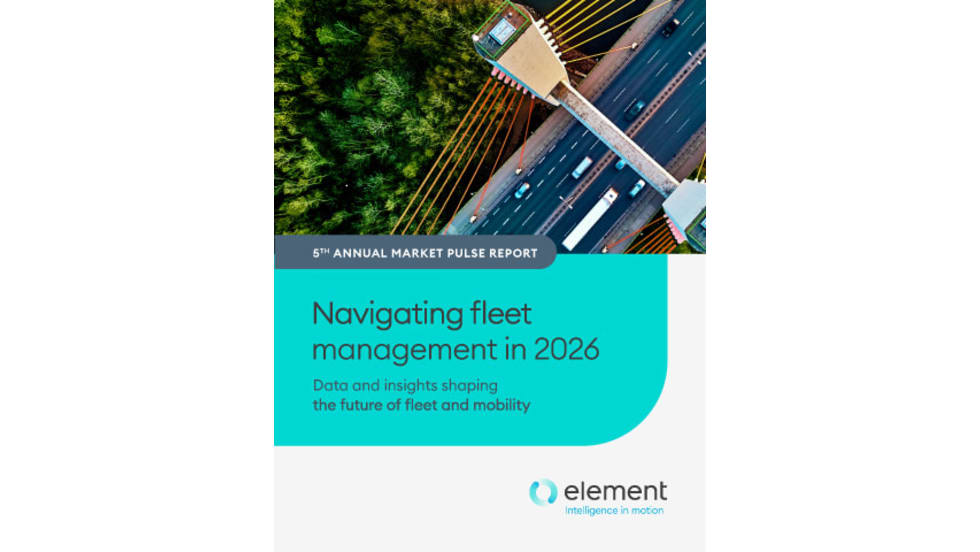
Fleet Costs Are Rising: Here’s How Leaders Are Responding
Fleet leaders are under pressure to reduce costs, adapt to economic uncertainty, and make smarter decisions. See how peers across North America are responding with real data, proven strategies, and forward-looking insights. Download the 2026 Market Pulse Report to benchmark your strategy and uncover where you can gain an edge.
Read More →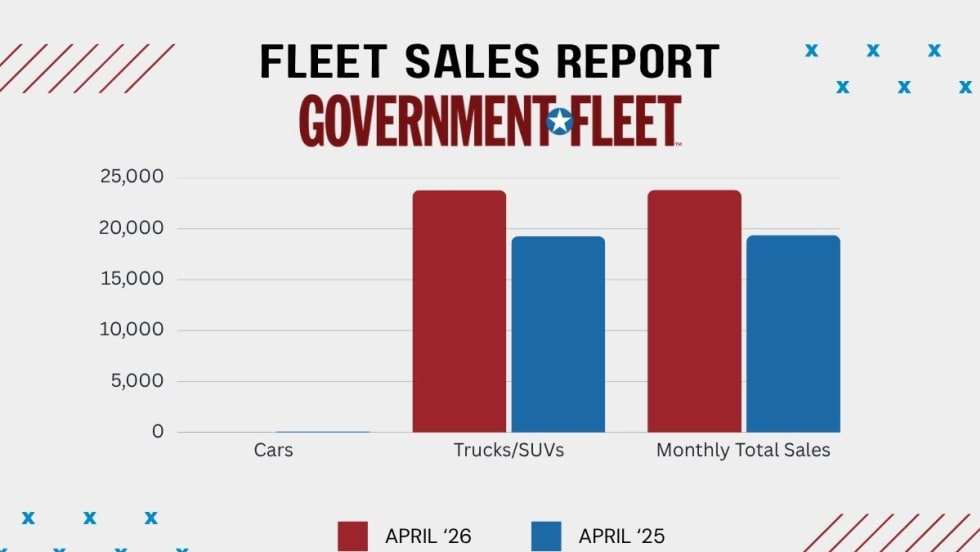
April Sees More Significant Increase in Government Vehicle Sales
April marks the third month where this year's government vehicles sales were higher than those in 2025.
Read More →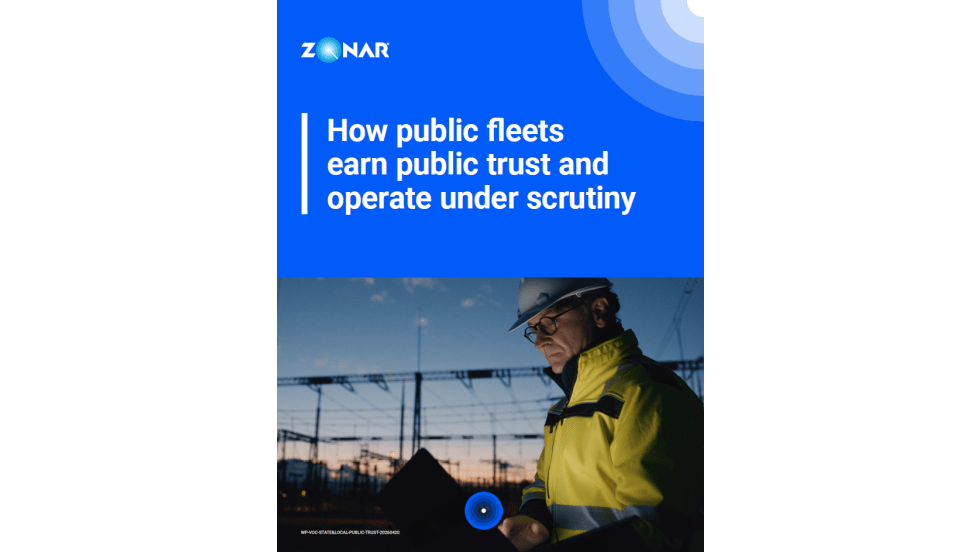
How Public Fleets Earn Public Trust and Operate Under Scrutiny
Taxpayers judge public services by what they can see. Learn how state and local government fleets are using data and transparency to demonstrate reliability, strengthen accountability, and build public confidence in every mile driven.
Read More →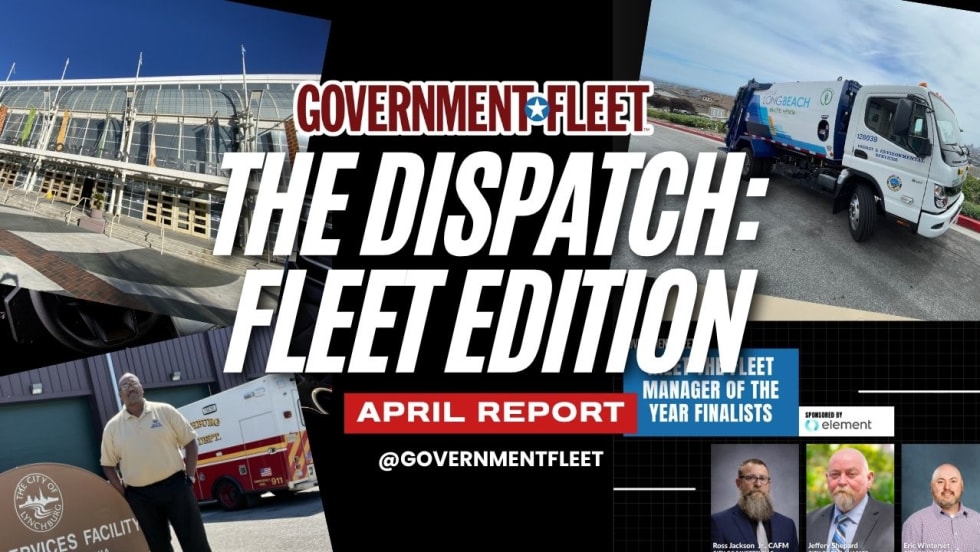
EVs, New Roles in Fleets, Looking at Data, and More | The April Dispatch
April covered a lot of ground for government fleets, from Long Beach testing electric refuse trucks to new data on AI adoption, aging assets, and rising service costs.
Read More →
Disaster Response, Power Planning, and First Responder Fleets | Weekly Cheat Sheet
On the go and want a snapshot of our top industry news? Check out Government Fleet's new video short of what's been happening.
Read More →
Rachel Darken Named Fleet Service Superintendent
Madison names Rachel Darken as fleet service superintendent, citing her leadership in fleet optimization, electrification efforts, and workforce development initiatives.
Read More →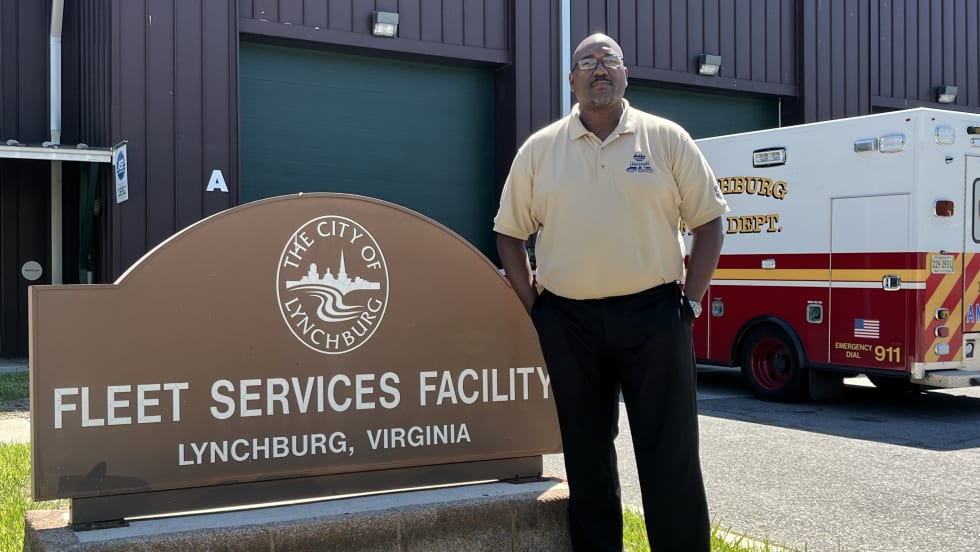
Lynchburg Names Ken Lett Director of Fleet Services
Veteran public sector fleet leader Ken Lett brings more than 20 years of experience in strategic planning, financial oversight, and technology-driven operations to his new role leading the City of Lynchburg’s fleet program.
Read More →