




Texas Railroad Commission Launches Drone Program for Emergency Response
The Railroad Commission of Texas has launched a drone inspection team to help inspectors quickly respond to and inspect sites that are unsafe or inaccessible during emergencies.

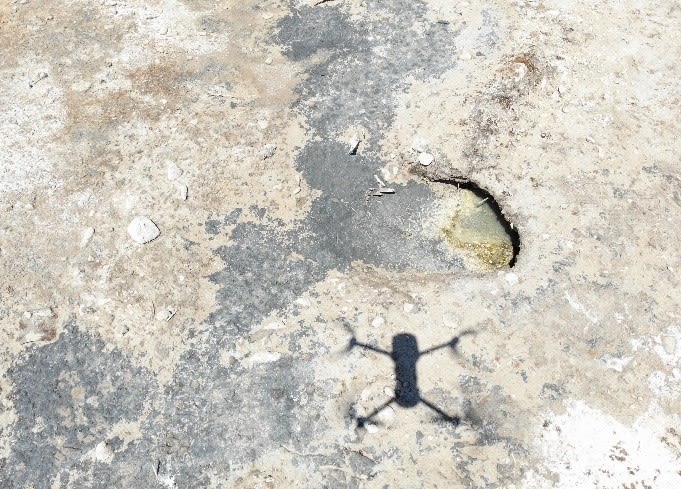
The Railroad Commission of Texas deployed a drone for emergency response on
April 28 to an area that could not physically be inspected because the road to the site was under water. Pictured is a photo of the possible well location.
Photo: Texas Railroad Commission
The Railroad Commission of Texas (RRC) has launched a statewide drone inspection team to help inspectors quickly respond to and inspect sites that are unsafe or inaccessible during emergencies such as fires, flooding, and other natural disasters. Drones can also assist in situations, such as the current COVID-19 pandemic, where they provide an alternative to in-person inspections.
The RRC’s first drone emergency response was April 28 to an area that could not be physically inspected because the road to the site was under water.
A licensed RRC pilot launched a drone and determined a possible source of release using aerial and thermal images. The operator was contacted to immediately remediate the site.
“Our very first flight mission in Reeves County is a great example of how drones will enable inspectors to do their jobs quickly and safely in emergencies, which ultimately helps further protect residents and the environment,” said RRC’s Executive Director Wei Wang. “Whether it’s through information technology or other new tools, the Commission has always been looking at ways to enhance our operational efficiency. With drones, our inspectors can now immediately monitor well blowouts, oil spills, and other emergency incidents, and quickly cover large areas of ground in responding to those situations where time is of the essence.”
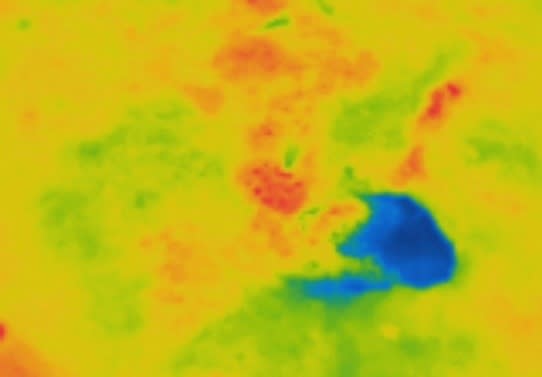
The Railroad Commission of Texas deployed a drone for emergency response on
April 28 to an area that could not physically be inspected because the road to the site was under water. Pictured is a thermal photo of the possible well location.
Nineteen inspectors have received remote pilot certification from the Federal Aviation Administration.
Beginning this summer, SMRD will use drones for emergency responses and inspections. Drones can document the progression of mining in active operations which can change drastically from month to month. Aerial images will also help in the oversight of reclamation activities in previously mined areas.
The RRC is also a member of the State Emergency Operations Center. The agency’s drone fleet can be a resource in helping state emergency response by providing aerial views of inaccessible areas.
More Procurement
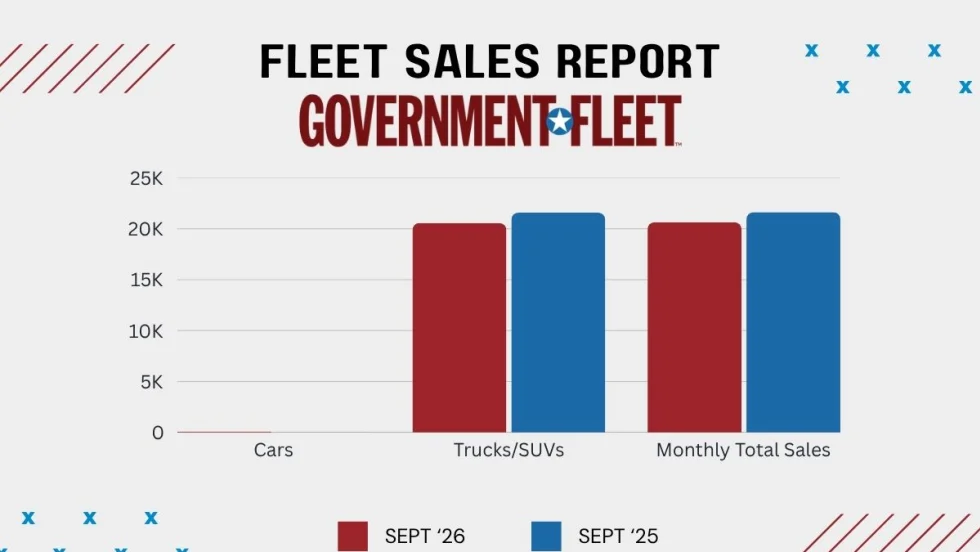
Government Fleet Car Sales More Than Double in September
Government fleet car sales rose 112.8% year over year in September, climbing from 39 to 83 units even as total monthly sales declined 4.5%.
Read More →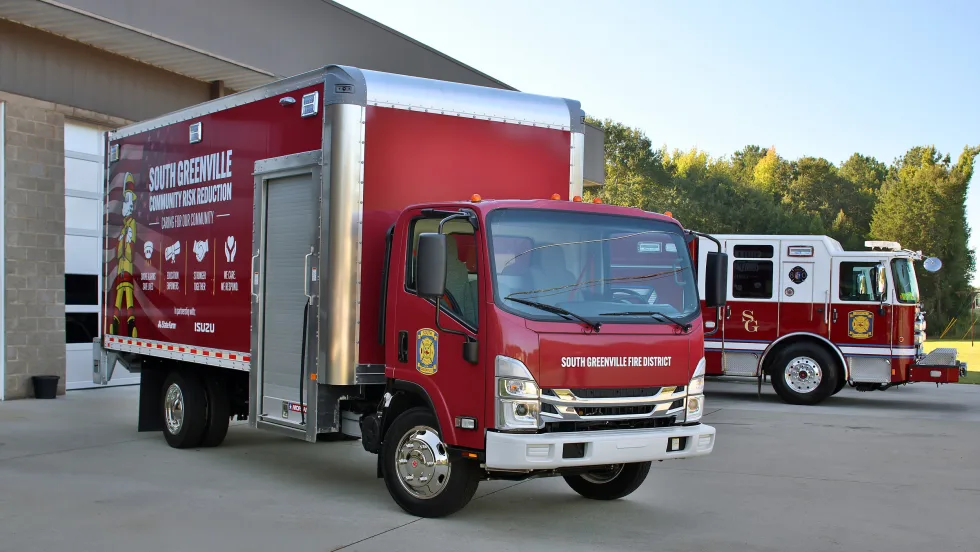
Isuzu Donates New N-SERIES NRR Truck to South Greenville Fire District to Support Community Outreach
Isuzu NRR equipped with Morgan truck body and PALFINGER liftgate will help support fire safety education, community engagement and outreach programs throughout Southern Greenville County.
Read More →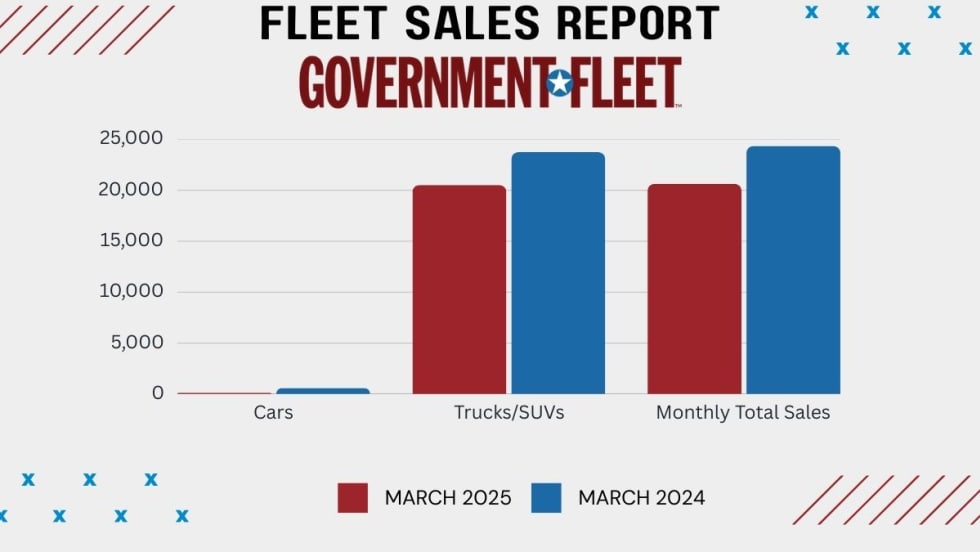
Government Vehicle Sales See Continued Growth from Beginning of Year
Government fleet sales rose from both January and February monthly totals, which were both under 20,000.
Read More →
Updated: Trump Signs Proclamation Imposing 25% Tariff on Auto Imports
A new proclamation signed by President Trump imposes a 25% tariff on imported passenger vehicles and key auto parts, citing national security concerns.
Read More →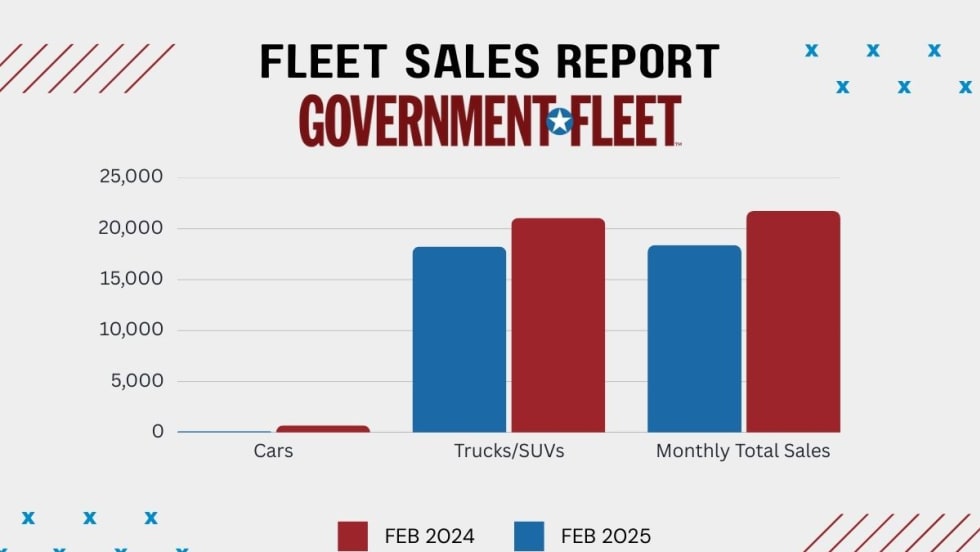
Government Vehicles Sales See Another Dip Compared to 2024
Government fleet sales last month came in at 18,383 vehicles, falling 15.4% from 21,737 in February 2024.
Read More →
Washington Municipality Adds Workhorse Electric Trucks to Fleet
The municipality will deploy two W4 CC electric work trucks for trash and recycling can switch-outs, enhancing the efficiency of its waste management services.
Read More →
From the Archives: Changes in Fleet Acquisitions
When vehicles become harder to acquire, fleet managers must balance keeping vehicles on the road longer while managing the escalating operating costs of older vehicles.
Read More →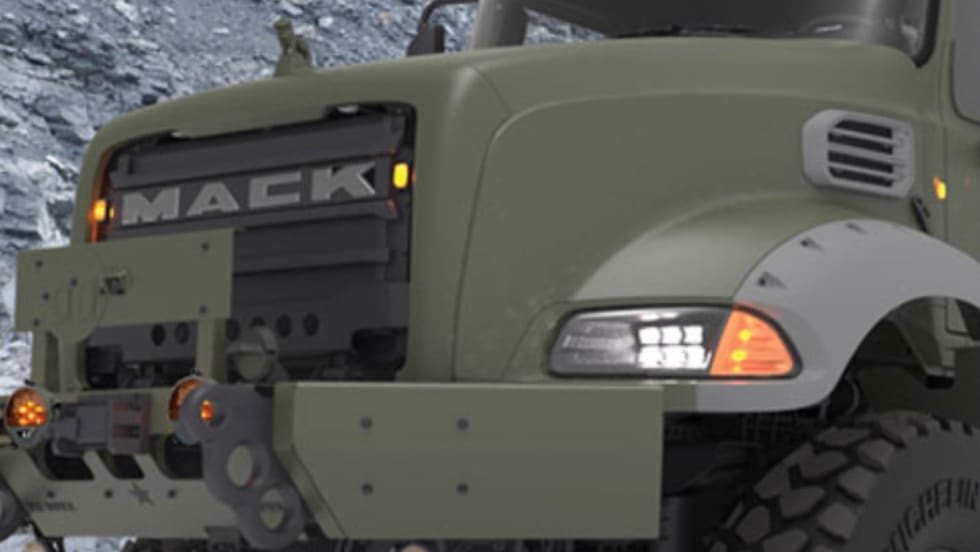
Mack Defense Awarded Contract By U.S. Marine Corps To Develop Medium Tactical Truck
The U.S. Marine Corps awarded Mack Defense a 12-month contract for the initial development of a new Medium Tactical Trucks (MTT) fleet.
Read More →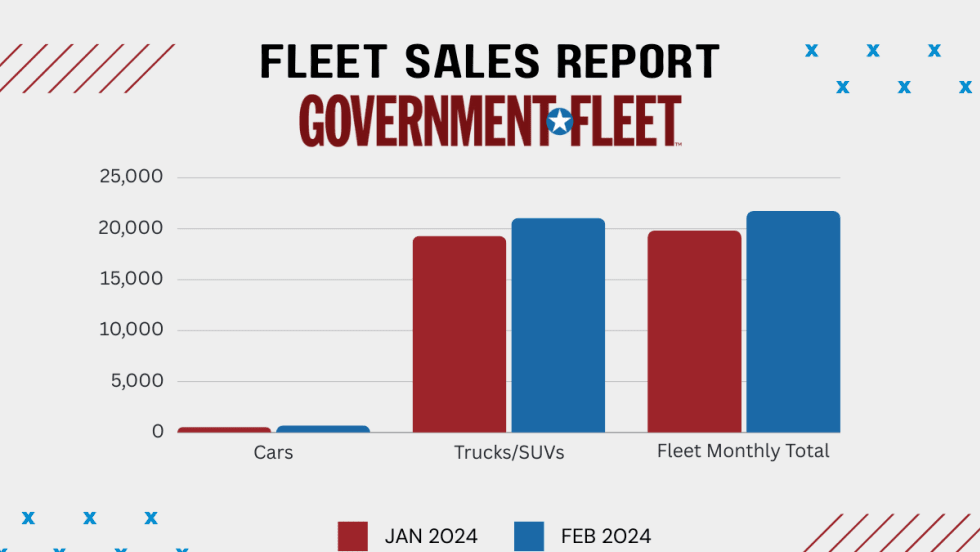
Government Vehicle Sales Rise from January to February
Government vehicle sales continue to rise into 2024 with both car and truck/SUV sales climbing between January and February of 2024, according to Bobit/Government Fleet sales data released March 2.
Read More →
How the UAW Strike Affected Government Fleet Orders from the Big 3
Government Fleet asked the Big 3 how their operations have been in the weeks since the UAW strike ended, with new contracts ratified. Plus, automakers address concerns about vehicle delivery delays.
Read More →