




Related: Working in a Winter Wonderland
Midwest Fleets Face Challenges Amidst Polar Vortex
Government agencies in the Midwest were most affected by the polar vortex that hit the U.S. last week, leading several states to declare states of emergency.

Roselynne Reyes・Senior Editor
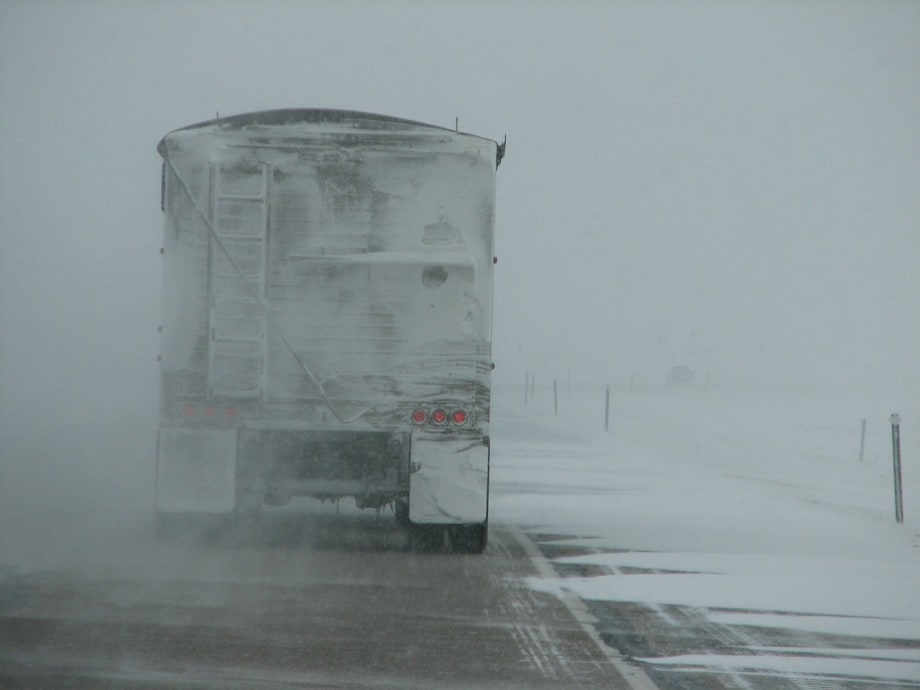
Photo via Pixabay
2 min to read
The polar vortex led to extremely low temperatures across the U.S., and especially in the Midwest. According to USA Today, the wind chill reached as low as -65 degrees Fahrenheit in Minnesota.
For many government agencies, this means limiting operations. The extreme weather conditions caused the U.S. Postal Service to suspend service for two days in 10 states. Service was resumed for all states on Feb. 1, according to service alerts from the agency.
In preparation for the cold weather, the governors of Illinois, Michigan, and Wisconsin declared emergencies to make state resources available for local governments in need of assistance, reported NPR.
The City of Chicago experienced 52 consecutive hours of sub-zero temperatures, its fourth longest streak on record, reported the Chicago Tribune. As reported by Automotive Fleet, the Chicago area alone saw a 51% reduction in total miles driven by all fleets equipped with Geotab telematics devices.
Dangerous driving conditions lead to a growing need for assistance from law enforcement. On Jan. 30, Illinois State Police tweeted that 1,317 motorist assists were made between 8 a.m. and 4 p.m. and 460 calls for service were answered in eight hours, 10 times the amount on a normal winter day.
The City of Milwaukee and Milwaukee County both announced the suspension of non-essential services for two days, reported the Milwaukee Independent, but Milwaukee County Fleet Management and Highway Maintenance would be on call.
In the City of Madison, Wis., the Fire Department had to change the way it responds to calls. For the first time, crews are using dry water pumps to keep hoses from freezing on the way to a call, reported WKOW. Fleet Services remained on call to work on fire trucks and other city vehicles.
More Operations

How St. Johns County Turned Fleet Data Into Better Replacement Decisions
St. Johns County, Florida, had fleet data, but turning it into reliable decision guidance was another matter. Instead of starting over with a new fleet management system, the county connected existing tools and built a scoring system that gives managers an objective look at fleet health.
Read More →
Fleet Forward Conference Introduces One-Day Passes for 2026
New one-day registration lets fleet professionals attend Tuesday, Wednesday, or Thursday, with passes available for $249.
Read More →
ENC Unveils its ZAVIR Medium-Duty Shuttle
Two variants of the concept shuttles were revealed: a low-floor configuration and a high-floor configuration.
Read More →
Could Your Next Fleet Technician Start as an Intern?
What if your next technician hasn’t worked in a fleet shop yet? What fleets are doing to free up time.
Read More →
How Phoenix Is Building Its Next Generation of Fleet Technicians
With more than 8,000 vehicles and pieces of equipment to maintain, the City of Phoenix could not afford to wait for fully trained technicians to walk through the door. Instead, they revamped their entire workforce strategy and showed how public fleets can create their own talent pipeline while preparing existing employees for increasingly complex vehicles.
Read More →
What’s Slowing Your Fleet Down?
Could a change in how work gets done help your fleet return vehicles to service sooner?
Read More →
Can Public Fleets Trust the Data Driving Their Decisions?
Public fleets have more data than ever, but inconsistent records and missing information can still undermine maintenance, replacement, and cost decisions.
Read More →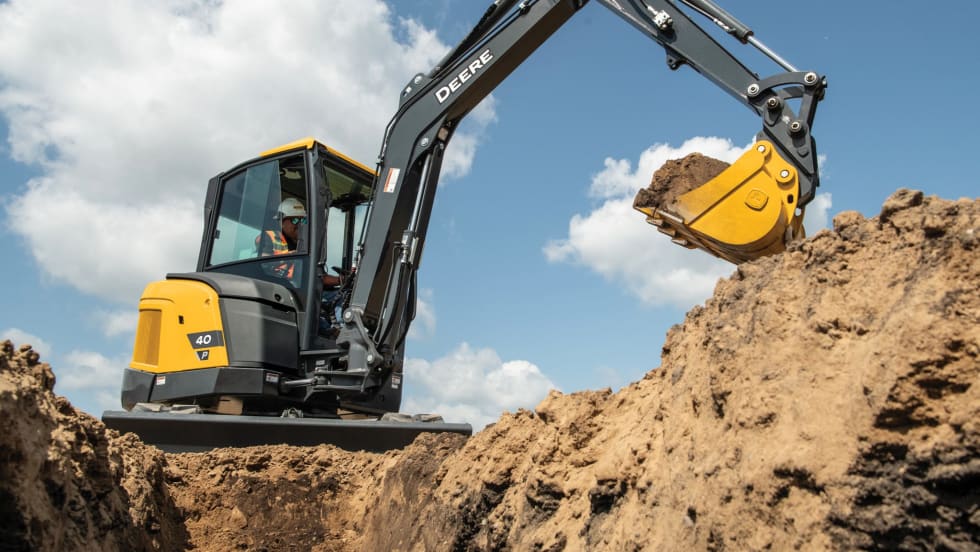
John Deere Introduces 40 P-Tier Compact Excavator
John Deere is adding a compact excavator designed for crews that need to move equipment between jobsites and handle multiple types of work with one machine. The 40 P-Tier weighs less than 10,000 pounds and offers configurable hydraulics, attachment options, and connected fleet-management capabilities.
Read More →
How Leading Fleets Improve and Why Business Plans Matter
This week, we look at what past Leading Fleet winners can teach us about making progress, plus how to build a business plan your fleet will actually use.
Read More →
Nominate a Fleet Leader for the 2027 Public Fleet Hall of Fame
Do you know a fleet leader who has made a lasting impact on the industry? Nominate this fleet professional for the 2027 Public Fleet Hall of Fame.
Read More →