




Keep Reading: The Digitization of City & Local Government
Kirkland PD: A Unique Fleet Use Case for Verified Inspections and Asset Tracking
How the Kirkland Police Department improved officer and fleet safety with advanced technologies and set a new standard for safety inspections.
by Wes Deppa, Western US Regional Account Manager at Zonar, and Corporal Duncan McKay at Kirkland Police Department
February 6, 2025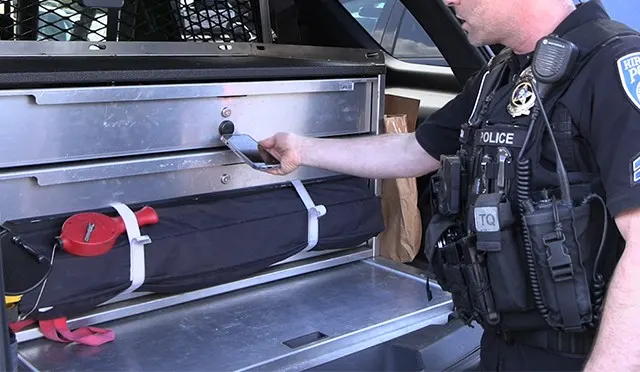
Recognizing the need for improved patrol fleet health and safety, Kirkland Police Department in Washington state turned to new fleet management technology to improve inspection and asset tracking processes.
Photo: Kirkland Police Department | Zonar
3 min to read
Imagine a police officer responding to a burglary in progress with the suspect on the move, only to be delayed by a flat tire, a broken headlight, or with critical safety equipment missing from the car.
Vehicle inspections and equipment tracking, often seen as routine administrative tasks, are critical to ensuring officers have fully functional vehicles and proper equipment for split second emergencies. Traditional paper-based systems can create significant challenges for law enforcement fleet management, especially when officers share patrol vehicles across multiple shifts.
The Pitfalls of Paper-Based Inspections and a Demand Smarter Fleet Management
Paper logs or the honor system can lead to inaccurate or incomplete inspection reports, unclear accountability for vehicle damage, and missed or delayed maintenance requests.
These systemic inefficiencies can compromise operational effectiveness, with inconsistent recordkeeping leading to misplaced equipment, misattributed damages, or undetected maintenance issues, potentially impacting emergency response capabilities.
The challenge is particularly acute given the current pressures on law enforcement agencies. Budget constraints are forcing departments to extend vehicle lifespans by thousands of miles beyond pre-pandemic norms, making rigorous maintenance protocols essential.
Recognizing the need for improved patrol fleet health and safety, Kirkland Police Department in Washington state turned to new fleet management technology to improve inspection and asset tracking processes.
Kirkland PD’s Commitment to Best Practices
Accredited through the Washington Association of Sheriffs and Police Chiefs (WASPC), Kirkland PD is recognized for operating the best practices and standards of the law enforcement industry. This includes setting benchmarks for administrative and operational effectiveness and comprehensive records management.
The department also focuses on improving technology use, prioritizing fleet health and safety, and providing ongoing officer training, among other critical law enforcement tasks. To maintain this accreditation, agencies are required to conduct quarterly vehicle inspections for audits.
However, without ongoing daily records of inspections and assets, adhering to these standards can be a challenge. Worse yet, safety for both the officer and community can be compromised.
A Digital Transformation: Implementing EVIR Mobile
To address this, Kirkland PD has implemented an Electronic Verified Inspection Reporting (EVIR) mobile solution that redefines inspection protocols by replacing error-prone paper logs with digital, verified inspections that are fully customizable for law enforcement needs.
Implementing EVIR Mobile has reduced inspection time on average by at least 50% compared to traditional paper logs. For Kirkland, officers can now complete comprehensive inspections in just two minutes using their agency-issued smart phone.
Officers perform a 360-degree vehicle walkthrough, scanning strategically placed Near Field Communication (NFC) tags, checking for body and tire damage, exterior and interior lights, sirens, and critical safety equipment.
This ensures thorough documentation while allowing officers to quickly return to their primary focus–community safety.
Implementing this new system is meant to transform fleet management from reactive to proactive. Digital inspections generate automated maintenance alerts, from tire inflation to data sharing, ensuring maintenance needs are flagged and resolved in real-time.
Real-Time Data for Smarter Decision-Making
Fleets gain instant access to inspection data, providing valuable insights to optimize asset deployment, extend vehicle lifespans, and reduce long-term operational costs through streamlined maintenance workflows.
Kirkland PD has further enhanced operations by implementing a GPS-enabled asset tracking solution to provide real-time monitoring of a valuable agency trailer that is often mobilized. Visibility into real-time location status and past deployment history ensures all assets are accounted for and ready for immediate use.
The implications of Kirkland PD’s fleet management technology upgrade extend far beyond a single department. By digitizing inspections and asset tracking, the department has improved operational efficiency, enhanced officer and community safety, and extended vehicle lifespans—all while setting a new benchmark for law enforcement nationwide.
More Police
Ford Pro Introduces Full-Size 2028 Expedition Police Responder
Ford Pro gave law enforcement customers a first look at the pursuit-rated utility during Police Fleet Expo.
Read More →
Paterson Police Expand Drone Fleet, Launch Real-Time Operations Center
The Paterson Police Department has expanded its drone program and opened a new Real-Time Operations Center designed to support emergency response and incident management. The initiative integrates multiple technologies to provide officers with real-time information during investigations and public safety operations.
Read More →
Why Public Fleet Success Depends on More Than the Vehicles
Tim Coxwell of the Leon County Sheriff’s Office discusses the projects shaping his fleet operation, including long-term work around vehicle selection, greenhouse gas emissions, and cost per mile.
Read More →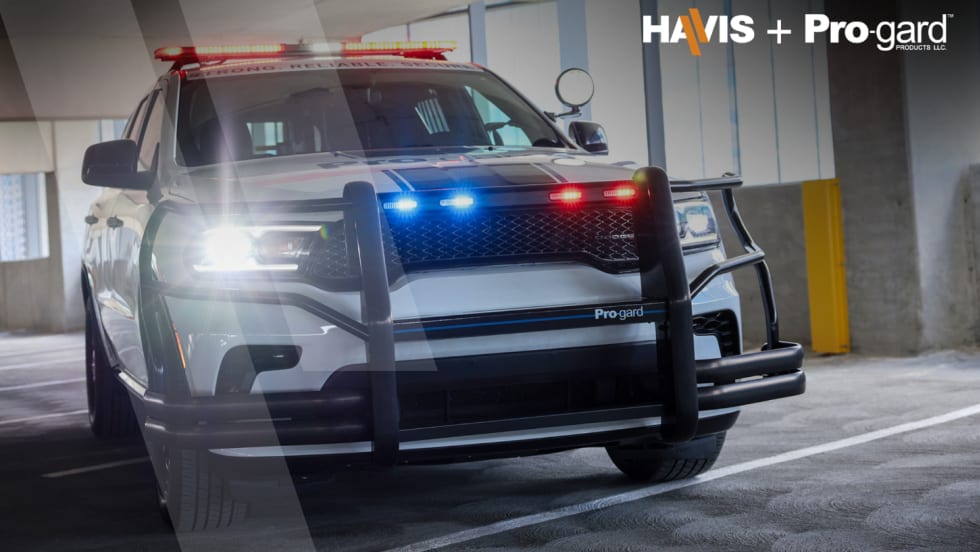
Havis Acquires Pro-gard Products
The acquisition brings together two manufacturers of public safety vehicle equipment under one company. Havis says the move expands its portfolio of products for outfitting law enforcement vehicles and other public safety fleets.
Read More →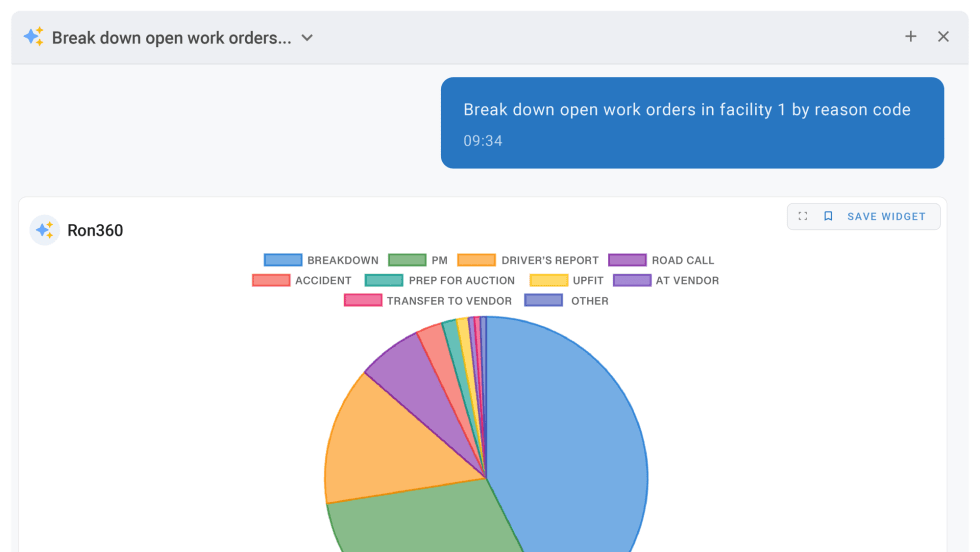
RTA Fleet Introduces AI Assistant for Fleet360 Platform
As artificial intelligence continues to gain traction across public-sector operations, fleet software providers are finding new ways to incorporate the technology into everyday workflows. RTA's latest addition aims to simplify how users interact with fleet data.
Read More →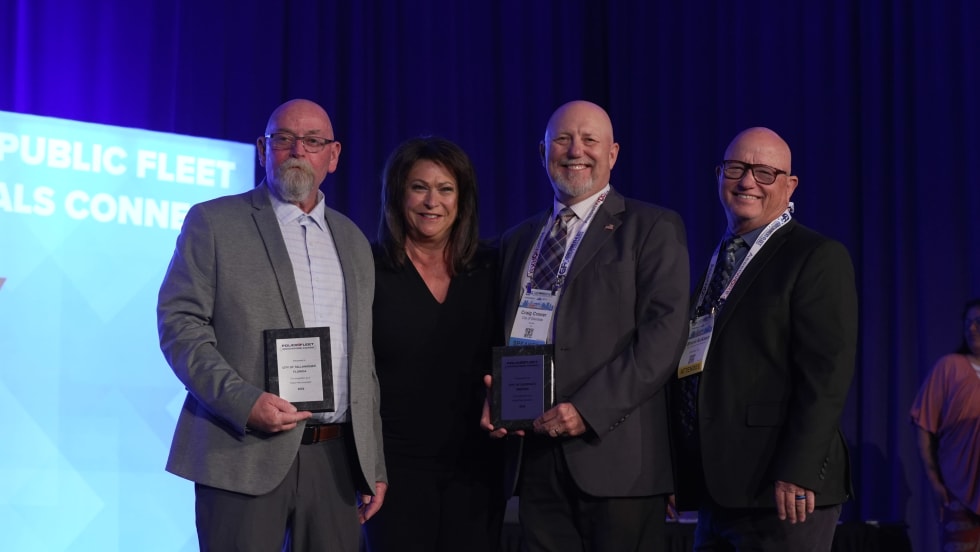
2026 Police Fleet Innovators Named
Meet the professionals finding new ways to solve some of law enforcement's toughest fleet challenges.
Read More →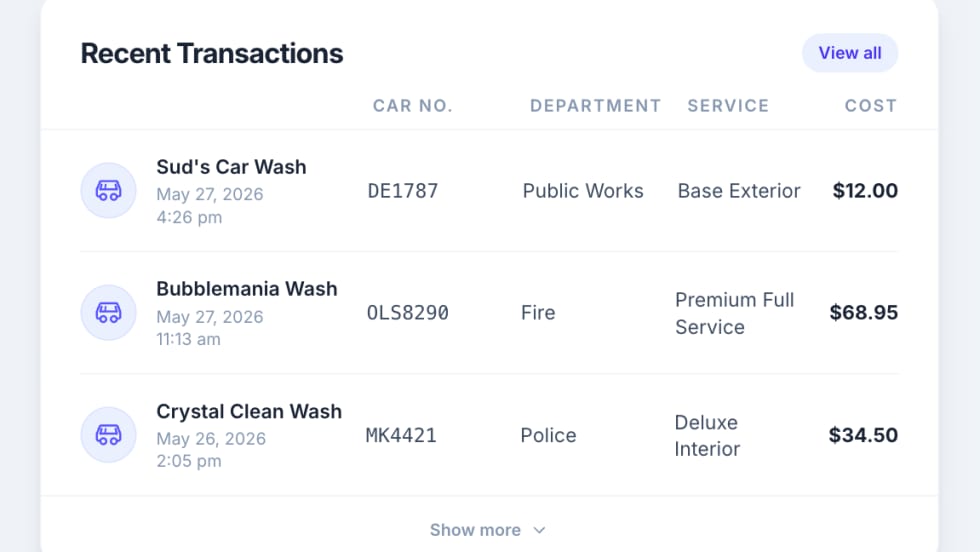
Rynse Expands Nationwide Fleet Wash Access for Law Enforcement
The North Carolina Sheriff’s Association Contract Cooperative purchasing contract aims to streamline procurement process for law enforcement agencies across the U.S.
Read More →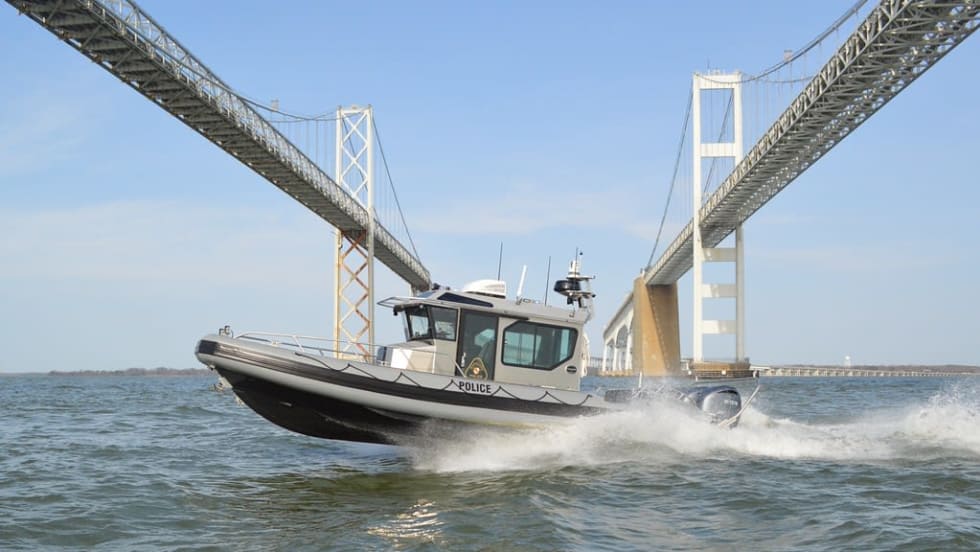
Maryland Natural Resources Police Adds 31-Foot Patrol Boat to Enforcement Fleet
A new addition to Maryland’s marine enforcement fleet is bringing expanded capabilities to Chesapeake Bay operations while honoring a legacy within the agency. The high-performance patrol vessel reflects how law enforcement fleets are adapting to growing demands on the water.
Read More →
LEHR Expands Florida Presence With Enforcement One Acquisition
LEHR has acquired Florida-based emergency vehicle upfitter Enforcement One, marking its eighth add-on acquisition.
Read More →
Maryland’s Wicomico County Sheriff Adds Mustang GT Patrol Vehicles
The agency is also working with the Maryland Police Training Commission on a specialized high-performance driving course for deputies assigned to the vehicles.
Read More →