




U.S. Postal Service Headquarters Showcases New Next Generation Delivery Vehicle
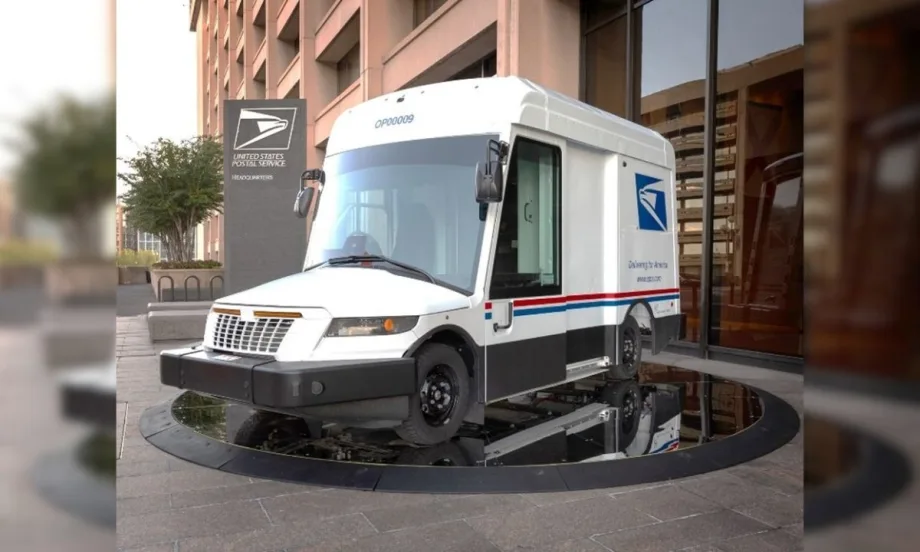
The U.S. Postal Service's new zero-emission electric Next Generation Delivery Vehicle features improved visibility, ergonomic seating, air conditioning, safety improvements, and user-friendly operations.

In December 2022, USPS announced plans to acquire 106,000 new vehicles, including at least 66,000 battery electric delivery vehicles.
Photo: USPS
Visitors to the U.S. Postal Service's headquarters in Washington, D.C., will now see a new addition out front: the zero-emission electric Next Generation Delivery Vehicle (NGDV), designed for the Postal Service’s deliveries.
These vehicles, part of the Postal Service’s ambitious fleet replacement initiative, have already made deliveries to households and businesses in areas around the country. The first NGDVs were delivered to the Postal Service by Oshkosh Defense in may and will be used to replace the current fleet of right-hand drive Long Life Vehicles.
Providing a Safer and More Comfortable Work Environment
Modernization of the Postal Service’s delivery fleet is part of the organization’s 10-year Delivering for American plan — a $40 billion investment strategy to upgrade and improve the Postal Service’s processing, transportation and delivery networks.
A better employee experience
The new vehicles have been designed with employee safety and comfort in mind, with features such as improved visibility, ergonomic seating, air conditioning, safety improvements and user-friendly operations .
Improving service and reliability
The increased cargo capacity of the vehicles aims to enable the transportation of more packages per trip, leading to a reduction in the number of required trips and resulting in greater efficiency. Coupled with improved reliability, the vehicles minimize downtime for maintenance and repairs, ensuring consistent and timely delivery service.
Reducing carbon emissions
These zero-emission vehicles, which will form most of the Postal Service’s new vehicle acquisitions, are also a step toward the Postal Service's goal to reduce both its carbon footprint and operational costs.
In June, the Biden-Harris administration honored the Postal Service with a Presidential Federal Sustainability Award for advancing the sustainability and climate resilience of the U.S. government in ways that cut energy costs, reduce emissions and grow our economy.
Ongoing commitment to modernizing America’s largest and oldest federal fleet
In December 2022, USPS announced plans to acquire 106,000 new vehicles, including at least 66,000 battery electric delivery vehicles. This includes 45,000 battery electric NGDVs and another 21,000 commercial off-the-shelf (COTS) battery electric vehicles.
In February 2023, the Postal Service placed its first order for 9,250 electric COTS vehicles as well as for more than 14,000 electric vehicle charging stations.
In total, the Postal Service will invest $9.6 billion for vehicle modernization. Strategic deployment of additional vehicles will continue during the next five years, prioritizing areas based on factors such as delivery volume, infrastructure readiness and operational needs.
More Green Fleet
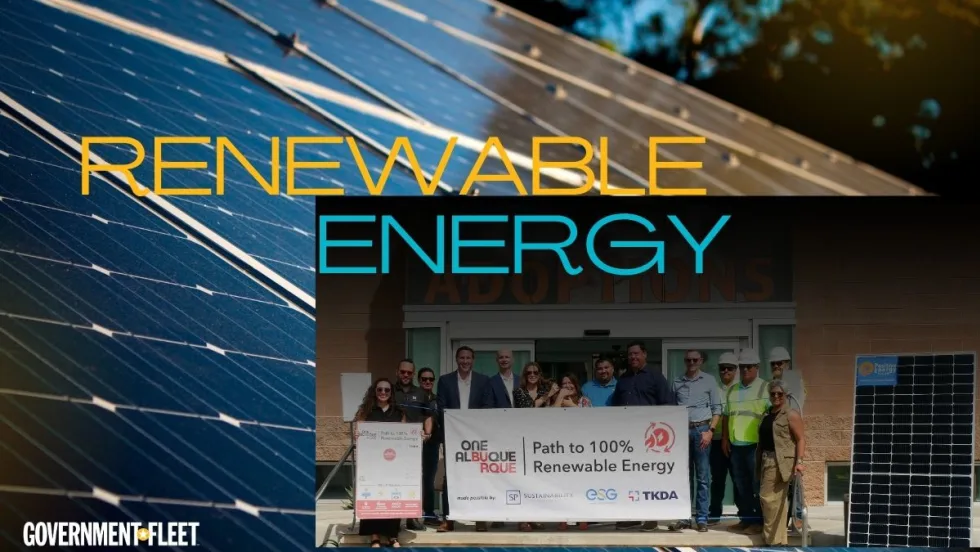
Sustainability Partners, Energy Systems Group Help Albuquerque Close the Gap on its 100% Renewable Energy Goal
The eight-site, 6 MW solar project has advanced the city toward 100% renewable energy for municipal operations.
Read More →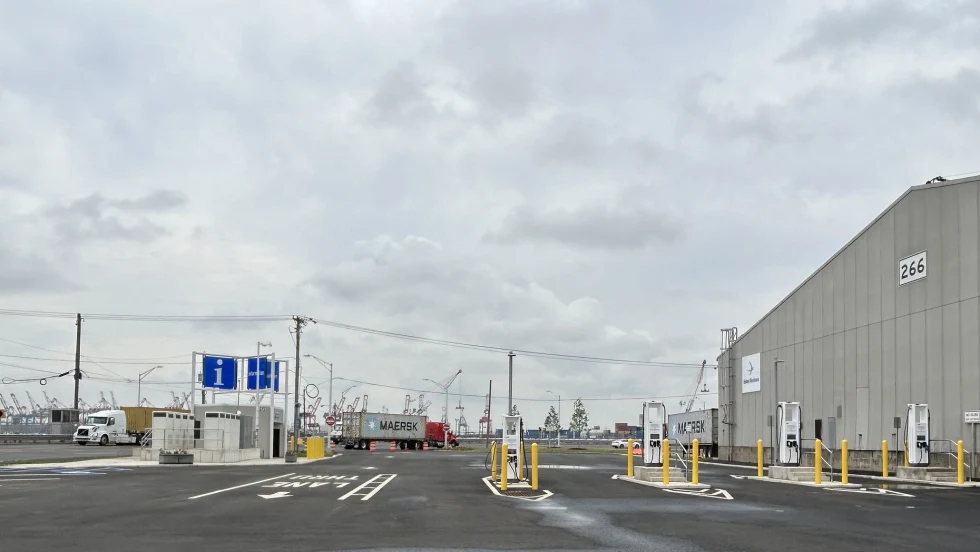
Port Authority and CALSTART Launch $45 Million Electric Truck and Charging Programs
The programs aim to boost sustainable operations across the East Coast's busiest seaport.
Read More →
Moving Government Fleets Beyond the Vehicle Purchase: EV as a Service
A discussion on how EVaaS is moving beyond pilot programs and what fleets should consider before beginning a larger deployment.
Read More →
Moving Government Fleets Beyond the Vehicle Purchase: EV as a Service
As fleets move beyond small EV pilots, Sustainability Partners CEO Adam Cain explains how EVaaS can address the infrastructure and long-term planning required for larger deployments.
Read More →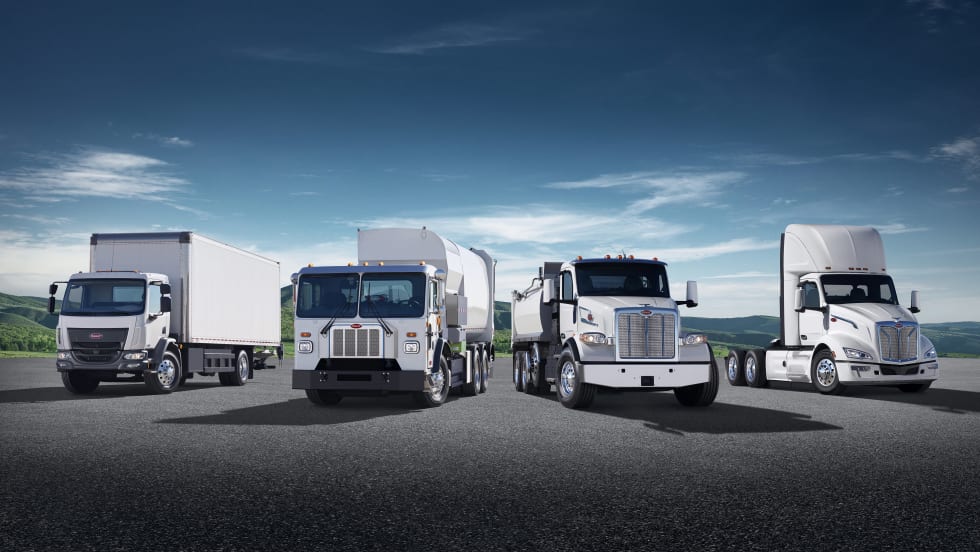
Peterbilt Expands Sourcewell Partnership with Electric Vehicle Lineup
The agreement aims to provide streamlined procurement of Peterbilt trucks for government, education, nonprofit and tribal organizations across the United States and Canada.
Read More →

EV Adoption & Charging Challenges
Where is your fleet in the journey of vehicle electrification? If you're still looking for answers to fleet electrification you've come to the right place.
Read More →
Hawaii Passes Clean Fuel Policy
Hawaii lawmakers passed clean fuel legislation that could support renewable natural gas production, biogas-powered transportation, and lower-carbon fueling options for public and commercial fleets.
Read More →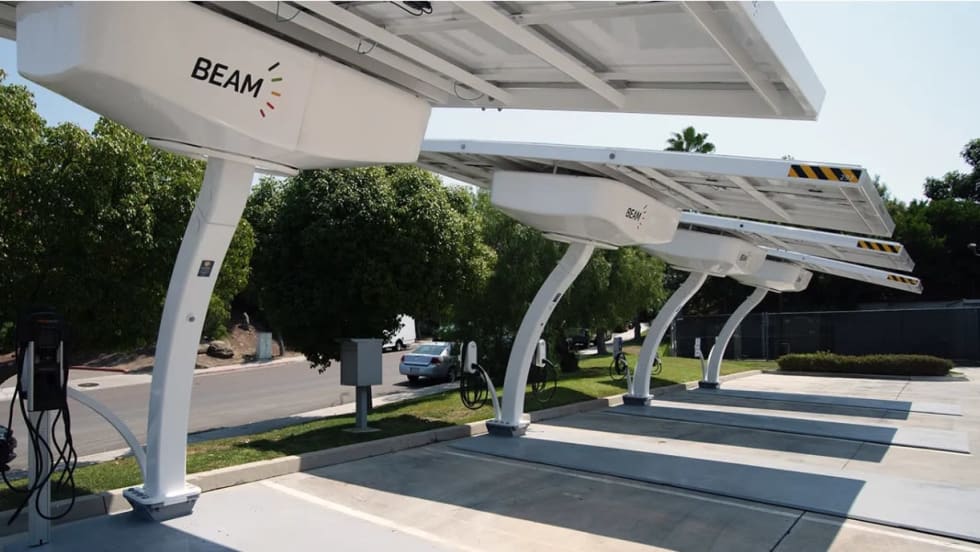
Stanislaus County Deploys Ten Beam Global EV ARC Systems to Support County Fleet Electrification
Stanislaus County deployed 10 off-grid solar-powered EV charging systems and a mobile charging trailer from Beam Global to support its electric fleet operations and emergency response flexibility.
Read More →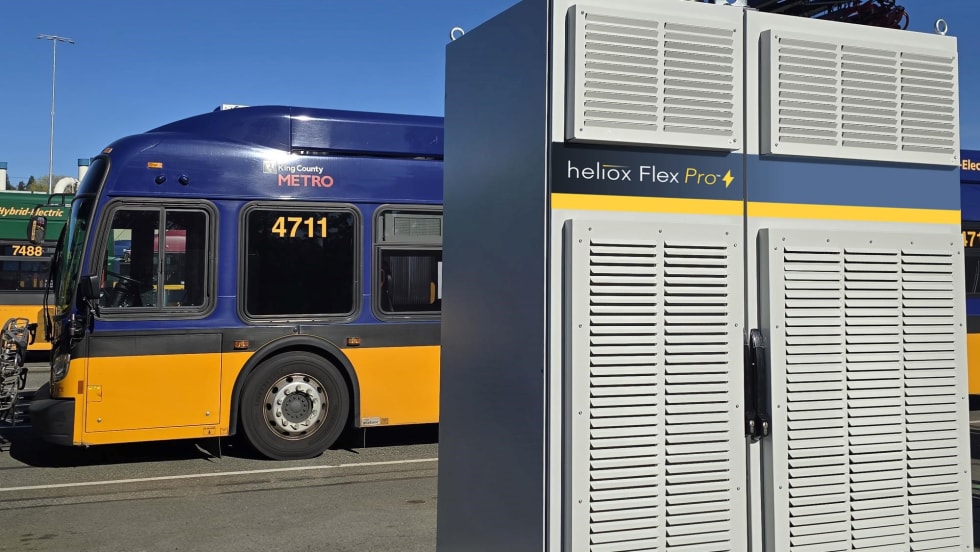
Heliox Pilots 480-kW Bus Charger with King County Metro
King County Metro is piloting Heliox’s new 480-kW Flex Pro charger to support expansion of its battery-electric bus fleet and depot charging infrastructure. The compact charging system supports pantograph and plug-in charging configurations for high-density transit operations.
Read More →