





Similar Content: Will Rural Mail Carriers Get Electric Vehicles?
USPS Modernization Enables More EV Purchases
The Postal Service announced at least 50% of its initial purchase of Next Generation Delivery Vehicles will be BEVs, after issuing a supplemental environmental impact statement in June.
July 21, 2022
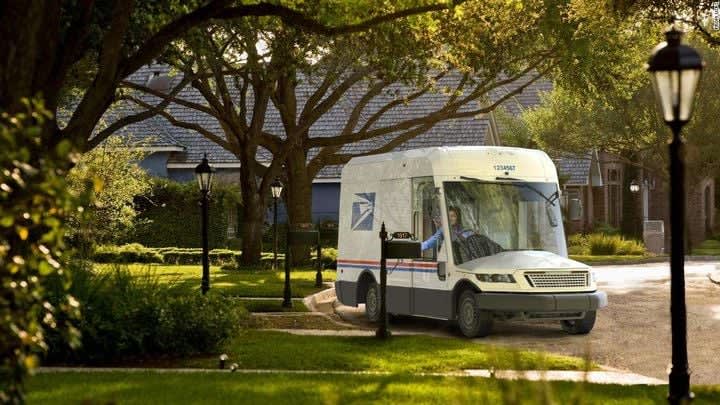
At least half of the Postal Service's initial order of Next Generation Delivery Vehicles, like the one pictured here, will be BEVs.
Photo: USPS
2 min to read
The U.S. Postal Service announced it anticipates changes to the purchase plan for its next generation delivery vehicles (NGDVs). The adjustments reflect changes to the Postal Service’s overall network modernization, route optimizations, improved facility electric infrastructure, and availability of vehicles and technology.
Earlier this year, the Postal Service announced its plan to acquire up to 165,000 NGDVs, with at least 10% of them being battery electric vehicles (BEVs) and the rest being internal combustion engine (ICE) vehicles. The plan was meant to be flexible to allow the USPS to add more BEVs if funding became available. Government Fleet previously reported that the Biden Administration and other groups pushed back, calling on a higher amount of BEVs to be included in the mix. The USPS then announced its initial purchase of 50,000 NGDVs from Oshkosh Defense, with 20% of them being BEVs.
In June, the USPS announced it was publishing a Notice of Intent to supplement its environmental impact statement (EIS) after accounting for expected changes following a recently announced plan to improve its delivery network. Now, the USPS is announcing at least 50% of the initial 50,000 NGDVs it purchased will be BEVs. Additionally, the Postal Service is also proposing to purchase 34,5000 commercial off-the-shelf (COTS) vehicles over a two-year period, according to a press release. In total, of the 84,500 NGDVs and COTS vehicles, the Postal Service anticipates having at least 40% BEVs in the mix. New NGDVs are expected to start servicing postal routes in late 2023.
As a result of the announcement, the USPS is extending the public comment period for its NGDV supplemental EIS. A public hearing will be held August 8.
Additional purchases of NGDVs or other COTS vehicles will be analyzed in future supplements to the EIS prior to being purchased.
The Postal Service also anticipates evaluating and procuring vehicles over shorter time periods to be more responsive to its evolving operational strategy, technology improvements, and changing market conditions, including the expected increased availability of BEV options in the future, the press release explained.
The Postal Service, which operates the nation's largest public fleet, generally receives no tax dollars for operating expenses and relies on the sale of postage, products, and services to fund its operations.
In December, President Joe Biden issued an executive order asking the U.S. government to buy only EVs for the federal fleet by 2035. While the USPS was exempt from the order, a spokesperson has previously told Government Fleet that the Postal Service hopes to follow the same precedent.
More Green Fleet
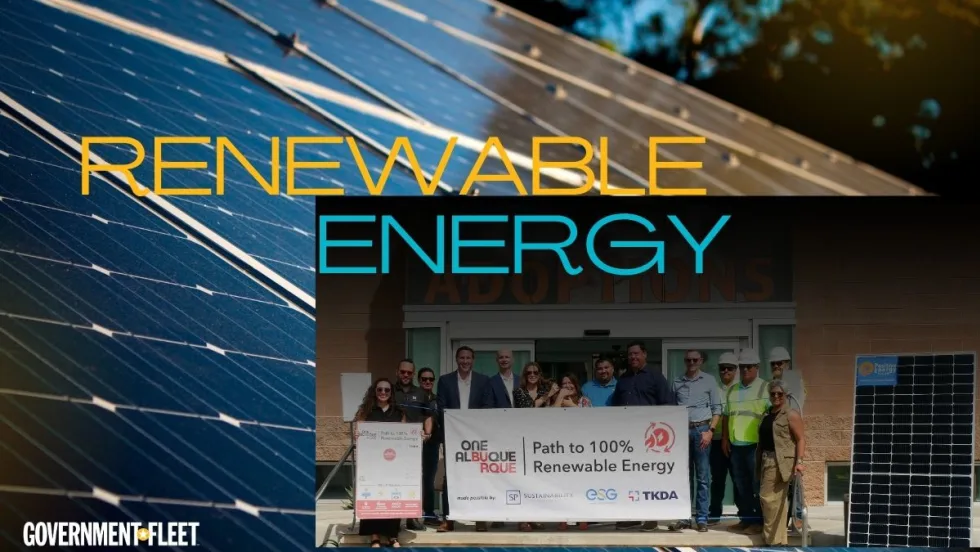
Sustainability Partners, Energy Systems Group Help Albuquerque Close the Gap on its 100% Renewable Energy Goal
The eight-site, 6 MW solar project has advanced the city toward 100% renewable energy for municipal operations.
Read More →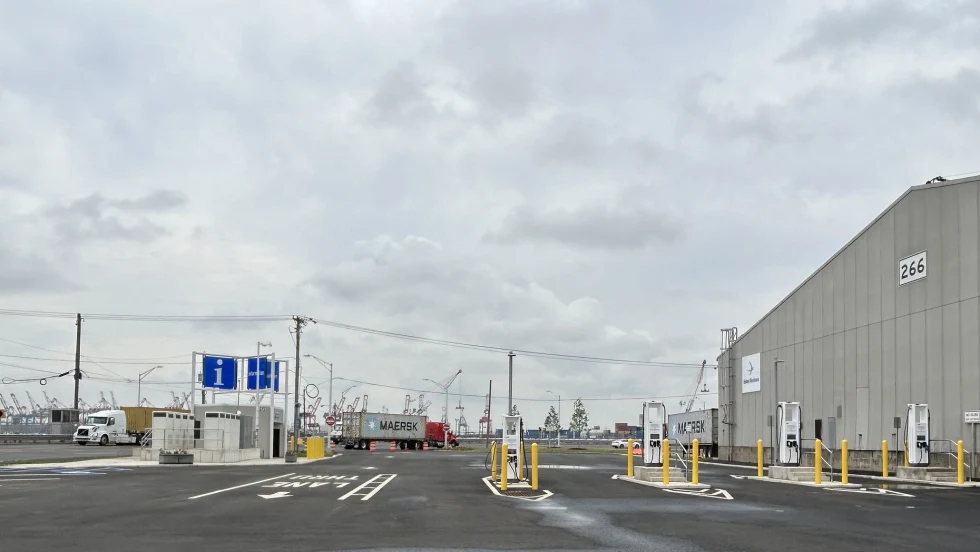
Port Authority and CALSTART Launch $45 Million Electric Truck and Charging Programs
The programs aim to boost sustainable operations across the East Coast's busiest seaport.
Read More →
Moving Government Fleets Beyond the Vehicle Purchase: EV as a Service
A discussion on how EVaaS is moving beyond pilot programs and what fleets should consider before beginning a larger deployment.
Read More →
Moving Government Fleets Beyond the Vehicle Purchase: EV as a Service
As fleets move beyond small EV pilots, Sustainability Partners CEO Adam Cain explains how EVaaS can address the infrastructure and long-term planning required for larger deployments.
Read More →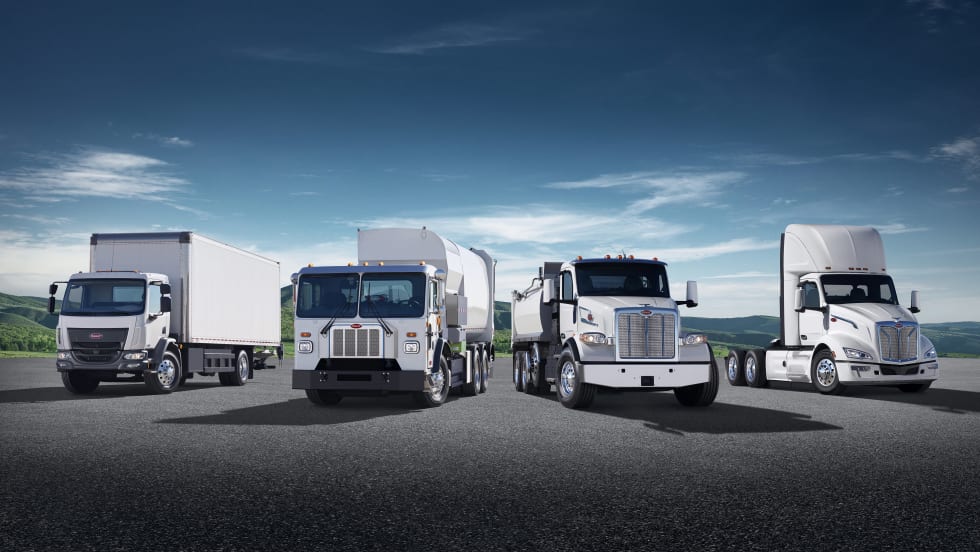
Peterbilt Expands Sourcewell Partnership with Electric Vehicle Lineup
The agreement aims to provide streamlined procurement of Peterbilt trucks for government, education, nonprofit and tribal organizations across the United States and Canada.
Read More →
EV Adoption & Charging Challenges
Where is your fleet in the journey of vehicle electrification? If you're still looking for answers to fleet electrification you've come to the right place.
Read More →
Hawaii Passes Clean Fuel Policy
Hawaii lawmakers passed clean fuel legislation that could support renewable natural gas production, biogas-powered transportation, and lower-carbon fueling options for public and commercial fleets.
Read More →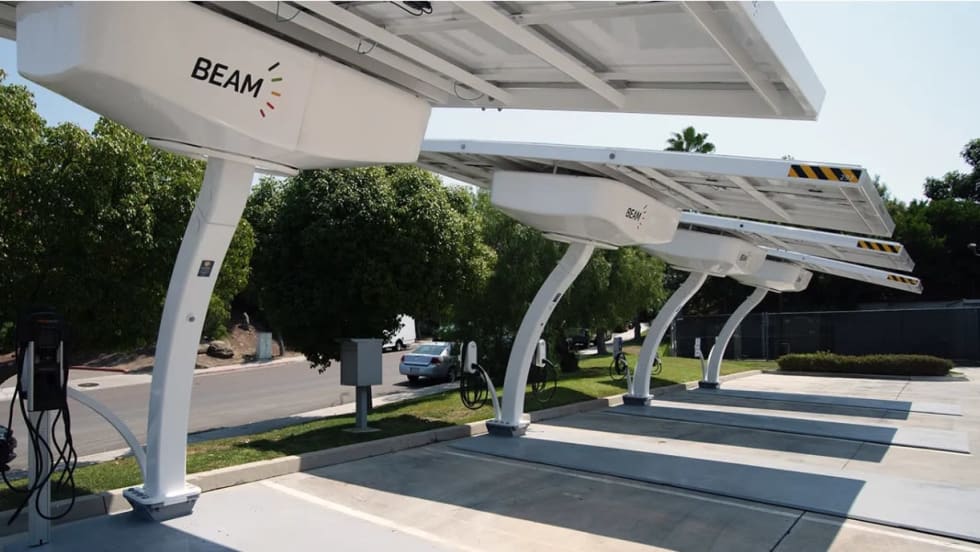
Stanislaus County Deploys Ten Beam Global EV ARC Systems to Support County Fleet Electrification
Stanislaus County deployed 10 off-grid solar-powered EV charging systems and a mobile charging trailer from Beam Global to support its electric fleet operations and emergency response flexibility.
Read More →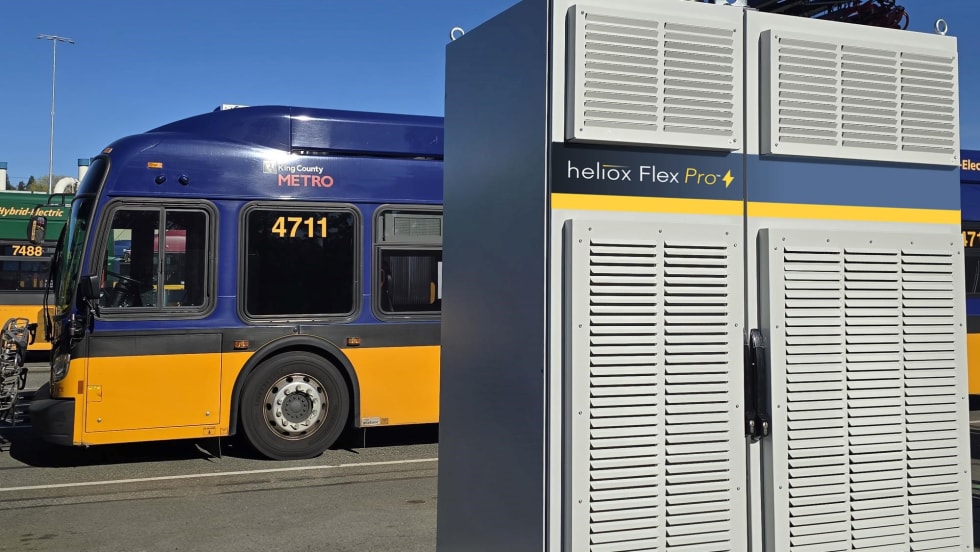
Heliox Pilots 480-kW Bus Charger with King County Metro
King County Metro is piloting Heliox’s new 480-kW Flex Pro charger to support expansion of its battery-electric bus fleet and depot charging infrastructure. The compact charging system supports pantograph and plug-in charging configurations for high-density transit operations.
Read More →