





Want more? How Fleets Track Fuel Management in Uncertain Times
How to Track and Manage Emissions…Even If You’re a Small Fleet
Measuring and reducing your carbon footprint is possible even on a shoestring budget.
August 6, 2025

To track progress on emission reduction goals, it’s important to start by tracking current emissions.
Photo: Mikhail Nilov
3 min to read
If you manage a public sector fleet, you know your job is to be a good steward of your community’s tax dollars. Today, government fleets are also charged with being good stewards of the environment.
As fleets adopt cleaner-burning fuels or purchase zero-emission vehicles (ZEVs) to green their operations, data is essential to get the biggest sustainability gains. Even if you are just starting out, operate a small fleet, or have a small budget, these steps can help you measure and manage emissions and see your carbon footprint shrink.
Where to Start and Establishing a Baseline
To track progress on emission reduction goals, it’s critical to start by tracking current emissions.
“Smaller-sized fleets may not be focusing on collecting data and tracking their emissions, given other day-to-day business needs. However, beginning to measure your current emissions is a great start,” said Chase LeCroy, deputy director, Data Insights & Analytics, CALSTART. “The very first step would be to ensure you are tracking mileage and fuel consumption across all vehicles, and then using that data to calculate your baseline. This metric allows you to measure your progress as you phase-in ZEVs so you can be confident you are moving in the right direction.”
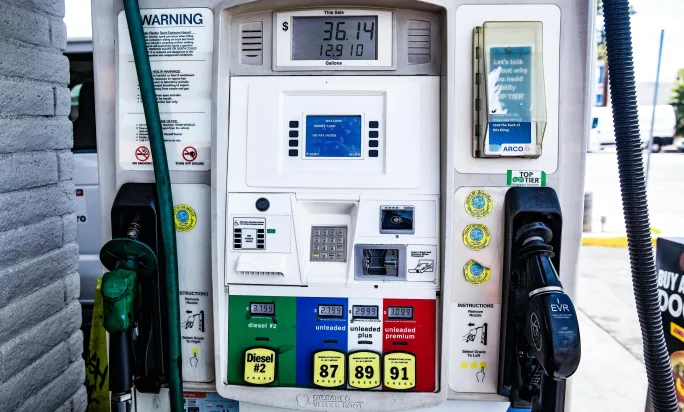
For traditional internal combustion engine (ICE) vehicles, tracking fuel consumption is usually the most reliable way to calculate emissions.
Photo by Ekaterina Belinskaya
Tim Venghaus, CEO of Darby Telematics, said establishing a baseline for the existing fleet can be as simple as tracking a single metric.
“For traditional internal combustion engine (ICE) vehicles, tracking their fuel consumption would be the most reliable way to calculate emissions. This information should be readily available if drivers use a fleet payment card or if they have a tank on-site for refueling (or a combination of both),” he explained. “Carbon can be calculated using total gallons and the type of fuel (gasoline, diesel, E-85, biodiesel blends, etc.) and the corresponding carbon coefficient available from sources like the EPA and EIA.”
Developing a Plan with Achievable Emissions-Reduction Goals
If tracking fuel consumption isn’t feasible, another approach is available: tracking mileage.
“There are reputable sources that one can use to calculate emissions as a function of vehicle miles traveled and specific vehicle type. CARB and EPA produce emissions inventories modeling what the emissions profile is likely to be coming from your vehicles; you can then multiply their values by the miles your fleet travels,” says LeCroy. “Many different factors can alter the exact emissions generated by any one vehicle, but barring the time and funding needed to do emissions testing, using these standardized metrics is a great approach.”
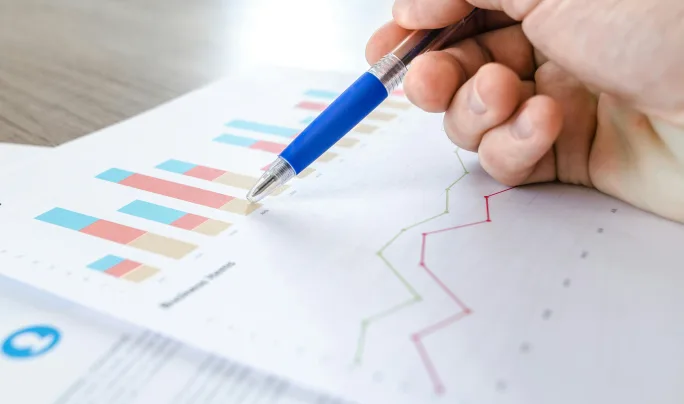
Any plan should establish processes to ensure data continues to be collected and progress is assessed at regular intervals.
Photo by Lukas | Pexels
The next step is to develop a plan with achievable emissions-reduction goals based on your baseline. If you’re not sure where to start, Jean Pilon-Bignell, SVP, Business Development at GEOTAB, suggested consulting fleet peers. “Compare your fleet against other similar fleets to benchmark and discover areas of improvement,” he advised.
Once goals are established, the next step is to put a data collection process in place.
“Any plan should establish processes to ensure data continues to be collected and progress is assessed at regular intervals as you transition your fleet,” LeCroy said. “Continuing to update your progress toward your goals over time is key so that you can see, share, and celebrate your achievements.”
Editor's Note: This article was originally published in August 2023 and reviewed for continued relevancy in August 2025.
Subscribe to Our Newsletter
More Operations

A Thanksgiving Feast of Fleet Features
This Thanksgiving, revisit five Government Fleet stories about how public fleets handled some of the year’s most familiar challenges.
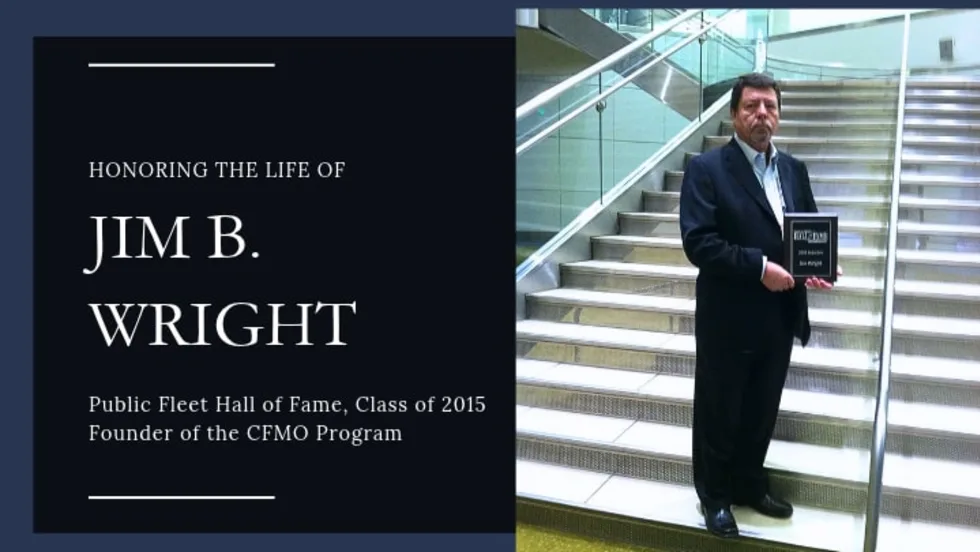
Remembering Jim Wright, Public Fleet Hall of Famer and CFMO Founder
James 'Jim' B. Wright, who founded the Certified Fleet Management Organization (CFMO) program and guided it for many years, died Wednesday evening, Nov. 18.

What Fleet Metrics Can Miss, Plus 2027 Police Vehicle Tests and Awards
What could a healthy-looking fleet metric be hiding? This week’s roundup looks at when to dig deeper, how 2027 patrol vehicles performed in preliminary tests, and how to apply for the Police Fleet Innovators Award.

What Can Disappear After a Fleet Crash?
This week, we look at drone footage, what fleets should document before repairs begin, and share a quick poll.

Does Your Government Fleet Handle Refuse and Waste Operations? Take Our Poll
Government Fleet wants to hear from public-sector fleet professionals about their responsibilities for refuse collection and waste management equipment.

Fleet Replacement Decisions, Waste Fleet Technology and the GFX Deadline
Is your next vehicle the right fit, can your records settle a missed pickup dispute, and what could your fleet teach others at GFX 2027?

Is Delaying Fleet Replacement Really Saving Money?
Could delaying replacement cost your fleet more than it saves? This week’s recap takes a closer look, plus an update on GFX 2027.

What Government Fleets Are Missing About Their True Costs
What are fleet budgets missing, and how can agencies use the data they already collect to make a stronger case for change?

Rethinking Fleet Decisions From the Budget Office to the Shop
This October we looked back at how public fleets are reconsidering familiar processes and using what they learn to make better decisions.

Who Owns the Message on a Refuse Truck?
Refuse trucks can carry public messages into neighborhoods, but keeping those messages current takes planning and clear responsibility.