




USPS Contractor Adds Propane Autogas Vehicles to Fleet
Hi Pro's ultra-low NOx propane vehicles, developed by Roush CleanTech, reduce NOx emissions by 96% compared to diesel.

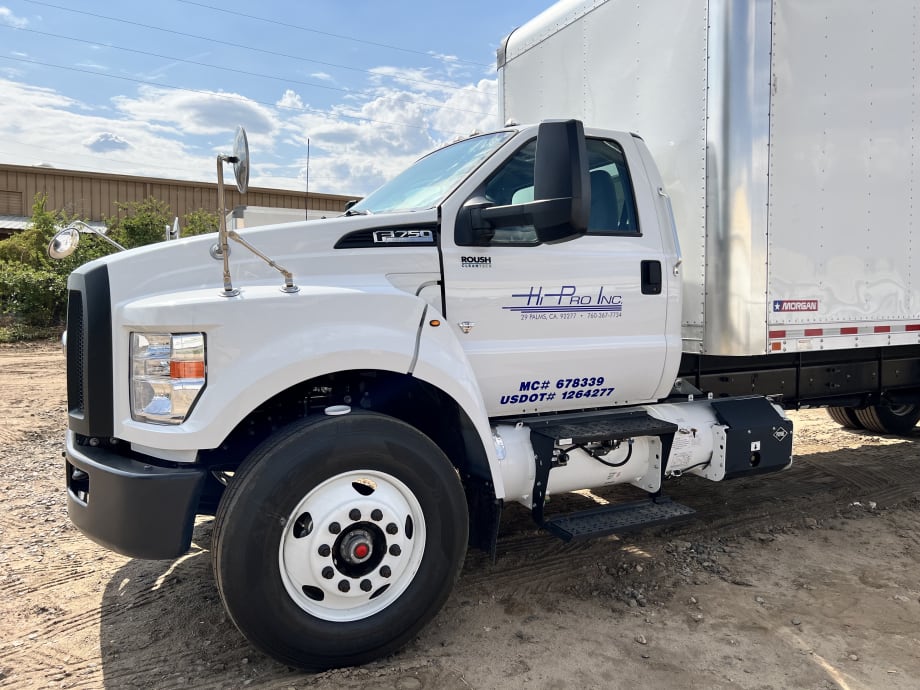
Five class 6 ultra-low nitrogen oxide (NOx) box trucks developed by Roush CleanTech joined the fleet for Hi Pro, Inc., a USPS contractor.
Photo: Hi Pro, Inc.
Hi Pro, Inc., a nationwide mail logistics contractor that services the United States Postal Service, launched a propane autogas vehicle fleet in Commerce City, Colorado. Hi Pro, Inc. CEO Joshua Stoneback unveiled the five, class 6 ultra-low nitrogen oxide (NOx) box trucks and state-of-the-art propane autogas infrastructure that will reduce emissions in the Denver metro.
Propane autogas trucks are proven to reduce greenhouse gases and NOx emissions to near-zero levels. Hi Pro’s propane trucks have a comparable lifetime low-carbon footprint to electric vehicles (EVs), but achieve those emissions reductions at a fraction of the price over the lifecycle of the truck, according to a press release. Each box truck will produce 281 metric tons of CO2 less per year than the same EV charging and operating using Colorado’s electric grid.
The ultra-low NOx propane vehicles, developed by Roush CleanTech, reduce NOx emissions by 96% compared to diesel. The engine is certified to the optional ultra-low NOx CARB .02 standard, operating 90% cleaner than the EPA’s strictest heavy-duty standard.
“With these propane autogas trucks, Hi Pro, Inc. will be environmentally sustainable and financially sustainable,” said Stoneback. “We’ve all felt the pain of filling up at the pump with gasoline or diesel. With propane, I won’t feel that anymore. The cost of propane autogas is a fraction of what I would be paying for diesel. And to top it off, the fleet is reducing emissions at the same time. It’s a win-win for everyone.”
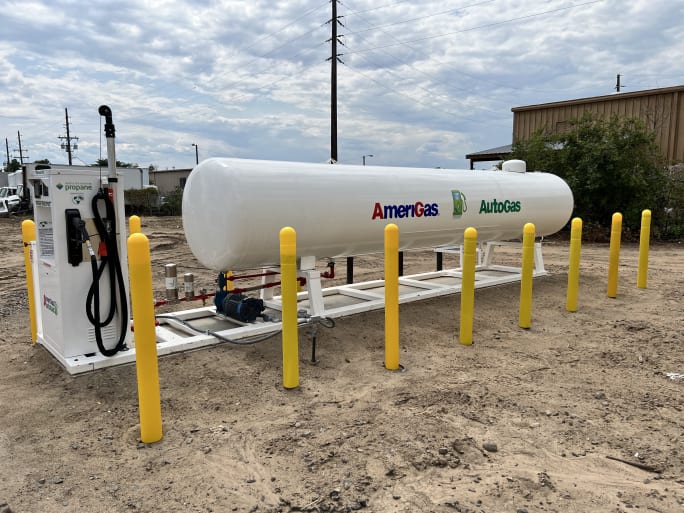
Hi Pro's newest strucks will run on propane autogas provided by AmeriGas.
Photo: Hi Pro, Inc.
Clean Air in Denver
The fleet and infrastructure, provided by AmeriGas, are part of a $1 million research pilot project titled, "Delivering Clean Air in Denver: Propane Trucks and Infrastructure in Mail Delivery Application." It was made possible by funds from the U.S. Department of Energy's (DOE) Office of Energy Efficiency & Renewable Energy and the work of Drive Clean Colorado. As part of the program, Drive Clean Colorado will work in partnership with DOE’s National Renewable Energy Laboratory to gather real-world data on the vehicles to showcase the use of propane autogas as an alternative energy source. Drive Clean Colorado will work with the Propane Education & Research Council to publish its findings to demonstrate how other fleet owners can implement propane autogas into their operations.
“Commerce City is disproportionately impacted by poor air quality compared to other cities in Colorado,” said Bonnie Trowbridge, executive director of Drive Clean Colorado. “Launching these propane autogas vehicles, which are much cleaner than their diesel counterparts, will help to lower emissions to provide a better air quality for the community.”
A Greener Delivery Fleet
Hi Pro's move toward lower emissions comes as the USPS aims to electrify its fleet. Earlier this year, the Postal Service announced its plan to acquire up to 165,000 next generation delivery vehicles (NGDVs). A modernization plan for the nation's largest public fleet allowed it to expand the number of EVs in the mix. At least 50% of the initial 50,000 NGDVs the USPS is ordering will be battery-electric vehicles, built by Oshkosh Defense. They are expected to start servicing postal routes in late 2023.
More Green Fleet
Sustainability Partners, Energy Systems Group Help Albuquerque Close the Gap on its 100% Renewable Energy Goal
The eight-site, 6 MW solar project has advanced the city toward 100% renewable energy for municipal operations.
Read More →
Port Authority and CALSTART Launch $45 Million Electric Truck and Charging Programs
The programs aim to boost sustainable operations across the East Coast's busiest seaport.
Read More →
Moving Government Fleets Beyond the Vehicle Purchase: EV as a Service
A discussion on how EVaaS is moving beyond pilot programs and what fleets should consider before beginning a larger deployment.
Read More →
Moving Government Fleets Beyond the Vehicle Purchase: EV as a Service
As fleets move beyond small EV pilots, Sustainability Partners CEO Adam Cain explains how EVaaS can address the infrastructure and long-term planning required for larger deployments.
Read More →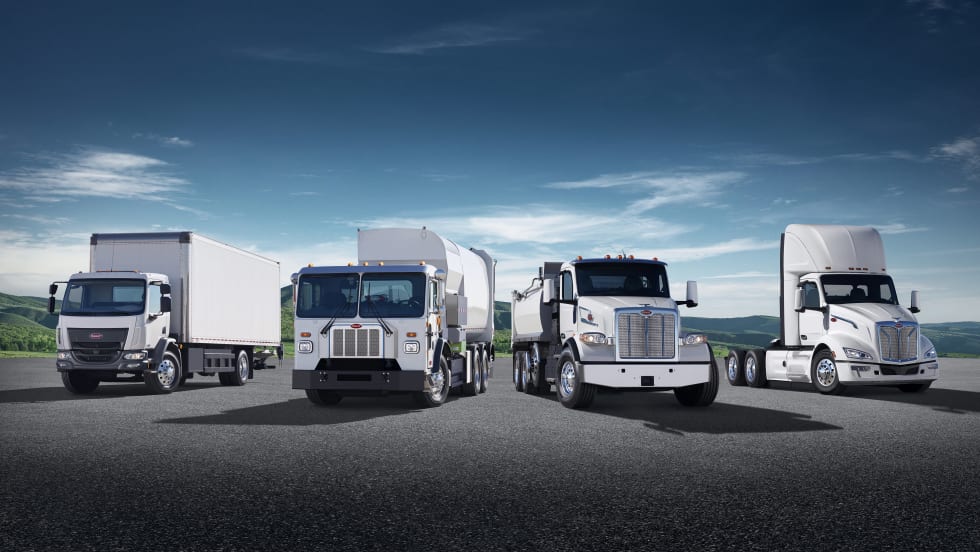
Peterbilt Expands Sourcewell Partnership with Electric Vehicle Lineup
The agreement aims to provide streamlined procurement of Peterbilt trucks for government, education, nonprofit and tribal organizations across the United States and Canada.
Read More →
EV Adoption & Charging Challenges
Where is your fleet in the journey of vehicle electrification? If you're still looking for answers to fleet electrification you've come to the right place.
Read More →
Hawaii Passes Clean Fuel Policy
Hawaii lawmakers passed clean fuel legislation that could support renewable natural gas production, biogas-powered transportation, and lower-carbon fueling options for public and commercial fleets.
Read More →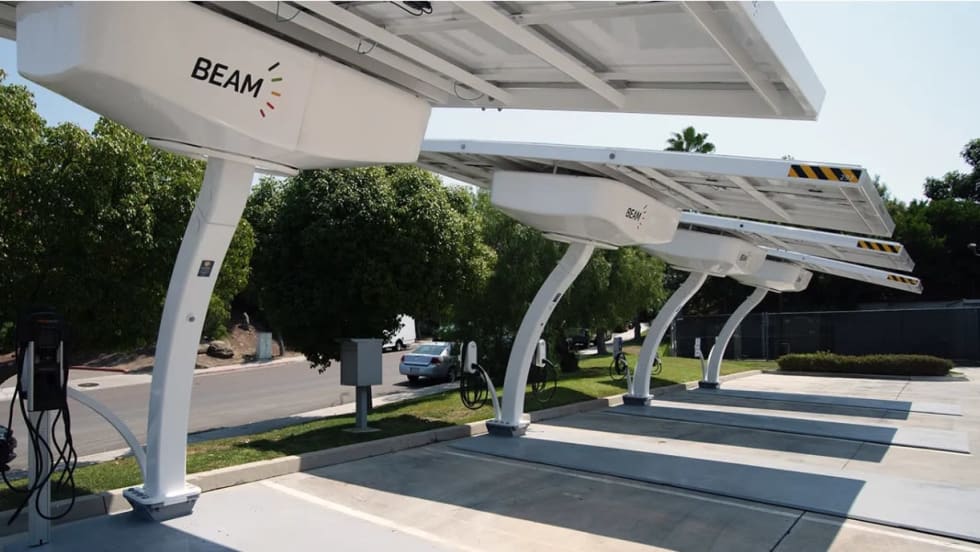
Stanislaus County Deploys Ten Beam Global EV ARC Systems to Support County Fleet Electrification
Stanislaus County deployed 10 off-grid solar-powered EV charging systems and a mobile charging trailer from Beam Global to support its electric fleet operations and emergency response flexibility.
Read More →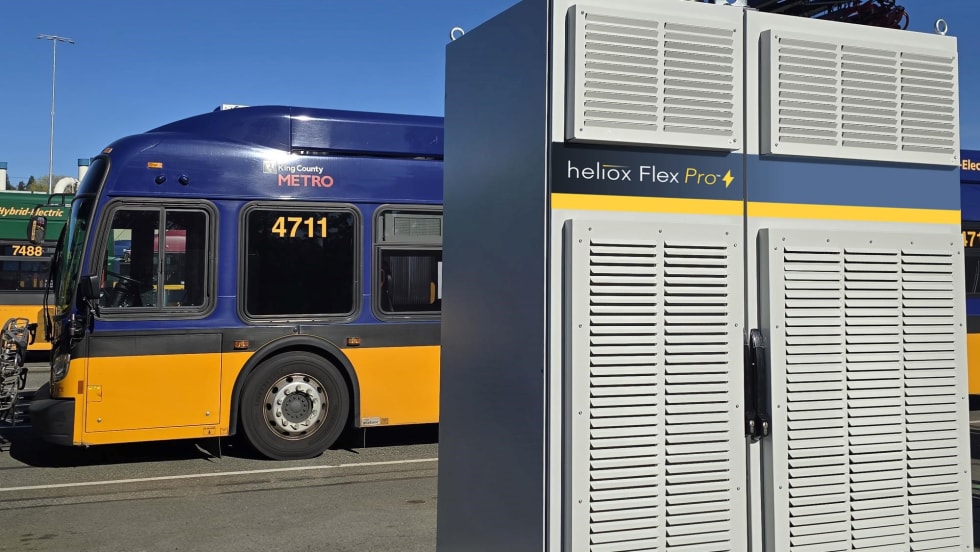
Heliox Pilots 480-kW Bus Charger with King County Metro
King County Metro is piloting Heliox’s new 480-kW Flex Pro charger to support expansion of its battery-electric bus fleet and depot charging infrastructure. The compact charging system supports pantograph and plug-in charging configurations for high-density transit operations.
Read More →