





Similar Content: How NYC Is Planning for a Greener Future
NYC Invests $420M in Fleet Electrification
The most immediate step will be a purchase in FY-22 of over 1,250 electric fleet units.
December 27, 2021
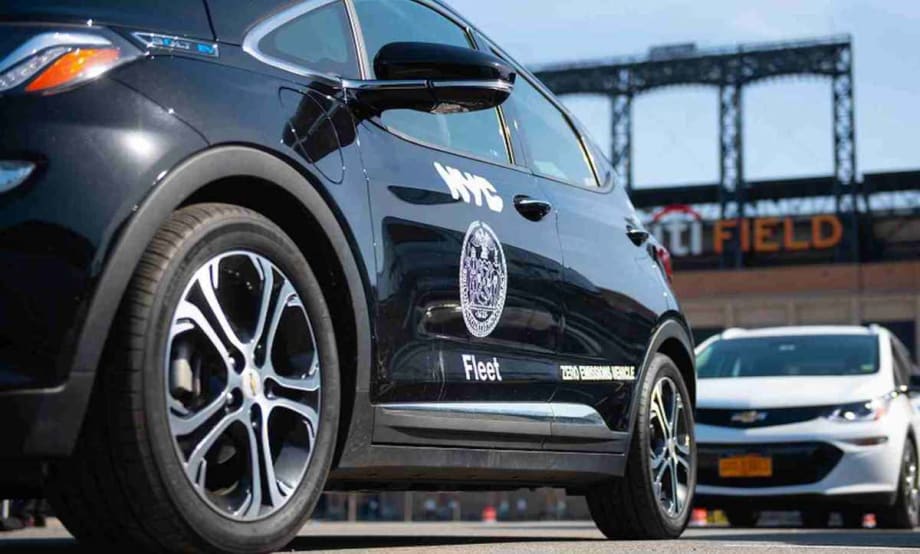
Photo courtesy of New York City
2 min to read
New York City is investing an additional $420 million through fiscal-year 2031 to accelerate the electrification of the city’s fleet, building on a $75 million fleet sustainability committment made in September 2021, the Department of Citywide Administrative Services (DCAS) announced in its fleet newsletter.
The most immediate step will be a purchase in FY-22 of over 1,250 electric fleet units. This will be the largest one-year purchase of electric vehicles the city has ever made and will result in a nearly 40% increase in size the city’s electric fleet, which currently consists of 3,135 electric vehicles.
Over 670 electric units have already been ordered. Highlights of this initiative will be purchasing more than 480 all-electric light-duty units for non-emergency use, 350 electric cargo vans for skilled trades staff, plug-in SUVs for sanitation operations, and electric vehicles for law enforcement. At least 21 agencies will be receiving electric fleet vehicles as part of this procurement.
DCAS will also be implementing a major expansion of the city's electric charging network. In November 2021, DCAS rolled out its 100th fast charger and plans to roll out 1,776 fast chargers through FY-31, beginning with 275 being launched in FY-22. This massive charging network will enable the city to make a fully electric fleet a reality. DCAS will also expand its mobile charging and solar carport programs to support daily charging and also provide emergency power backup for the fleet in case of power loss.
Mayor de Blasio also signed an executive order accelerating the transition to an electric fleet to 2035 from the current goal of 2040. All light-, medium-, and non-emergency heavy-duty units will transition to electric models by 2035. Specialized fire and emergency trucks will maintain the 2040 deadline if there are no electric models yet available. At least 90% of the fleet will now transition to electric by 2035. In addition, the order requires senior executives in city government, who are assigned vehicles, to operate electric models by June 30, 2023. The order also calls on DCAS and the Office of Management and Budget to conduct a review of every SUV assignment for the City of New York.
While it makes the transition to electric units across the board, DCAS will expand its rollout of renewable diesel for trucks and off-road units, starting in Spring 2022. Specialized and emergency trucks and off-road equipment will likely be the last of the fleet to go electric. Until DCAS makes the transition, it will discontinue using fossil diesel, moving to renewable diesel and biodiesel.
More Green Fleet
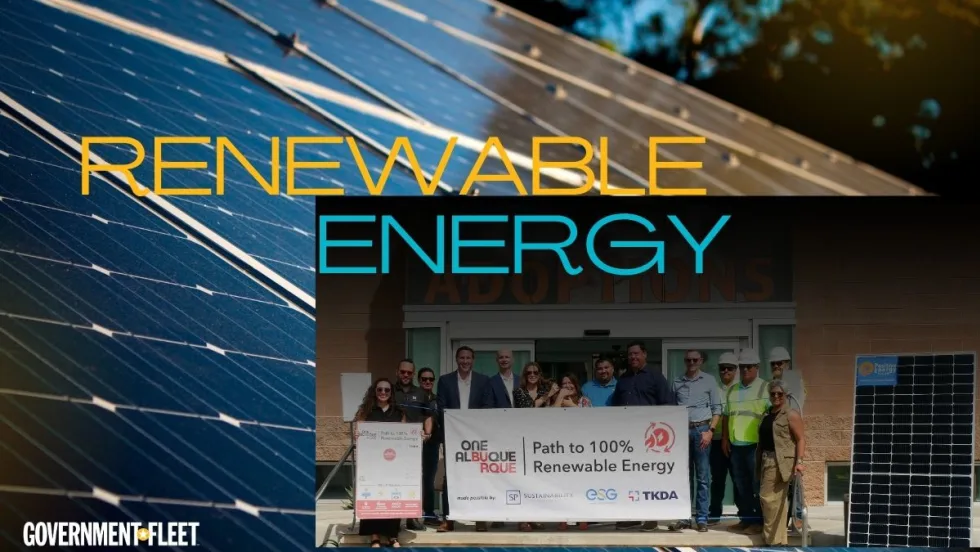
Sustainability Partners, Energy Systems Group Help Albuquerque Close the Gap on its 100% Renewable Energy Goal
The eight-site, 6 MW solar project has advanced the city toward 100% renewable energy for municipal operations.
Read More →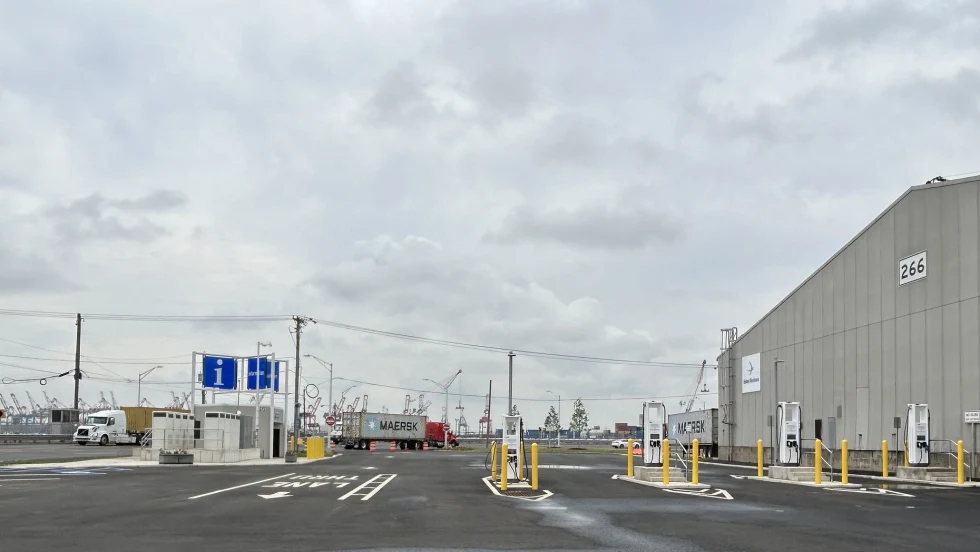
Port Authority and CALSTART Launch $45 Million Electric Truck and Charging Programs
The programs aim to boost sustainable operations across the East Coast's busiest seaport.
Read More →
Moving Government Fleets Beyond the Vehicle Purchase: EV as a Service
A discussion on how EVaaS is moving beyond pilot programs and what fleets should consider before beginning a larger deployment.
Read More →
Moving Government Fleets Beyond the Vehicle Purchase: EV as a Service
As fleets move beyond small EV pilots, Sustainability Partners CEO Adam Cain explains how EVaaS can address the infrastructure and long-term planning required for larger deployments.
Read More →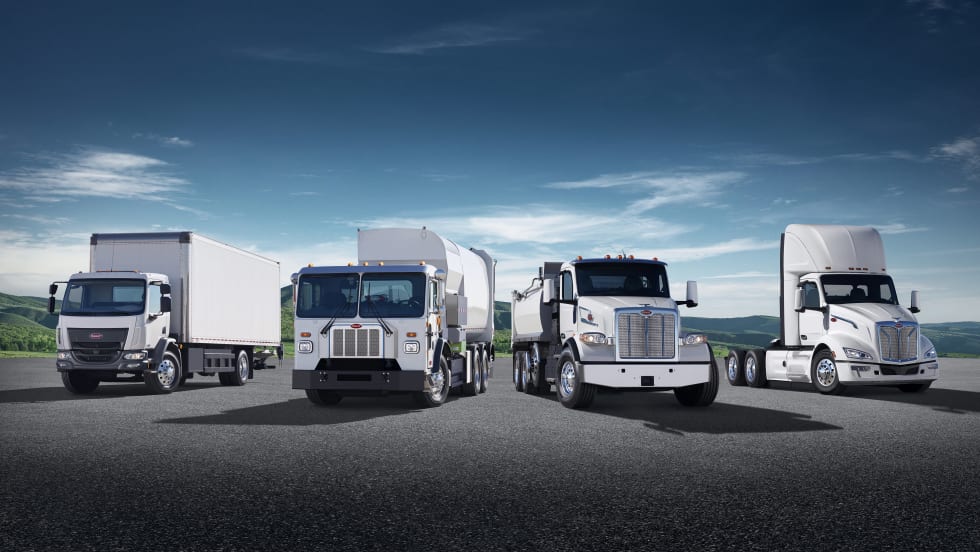
Peterbilt Expands Sourcewell Partnership with Electric Vehicle Lineup
The agreement aims to provide streamlined procurement of Peterbilt trucks for government, education, nonprofit and tribal organizations across the United States and Canada.
Read More →

EV Adoption & Charging Challenges
Where is your fleet in the journey of vehicle electrification? If you're still looking for answers to fleet electrification you've come to the right place.
Read More →
Hawaii Passes Clean Fuel Policy
Hawaii lawmakers passed clean fuel legislation that could support renewable natural gas production, biogas-powered transportation, and lower-carbon fueling options for public and commercial fleets.
Read More →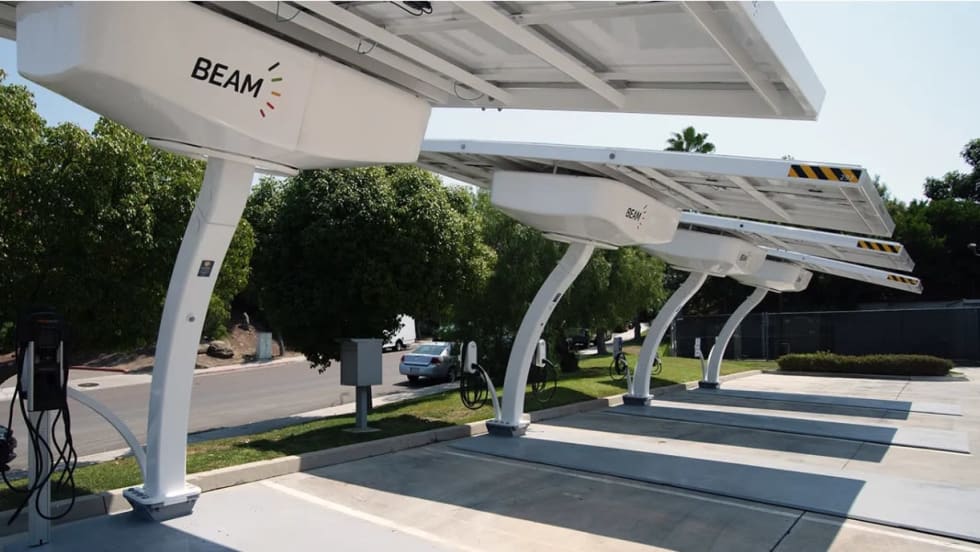
Stanislaus County Deploys Ten Beam Global EV ARC Systems to Support County Fleet Electrification
Stanislaus County deployed 10 off-grid solar-powered EV charging systems and a mobile charging trailer from Beam Global to support its electric fleet operations and emergency response flexibility.
Read More →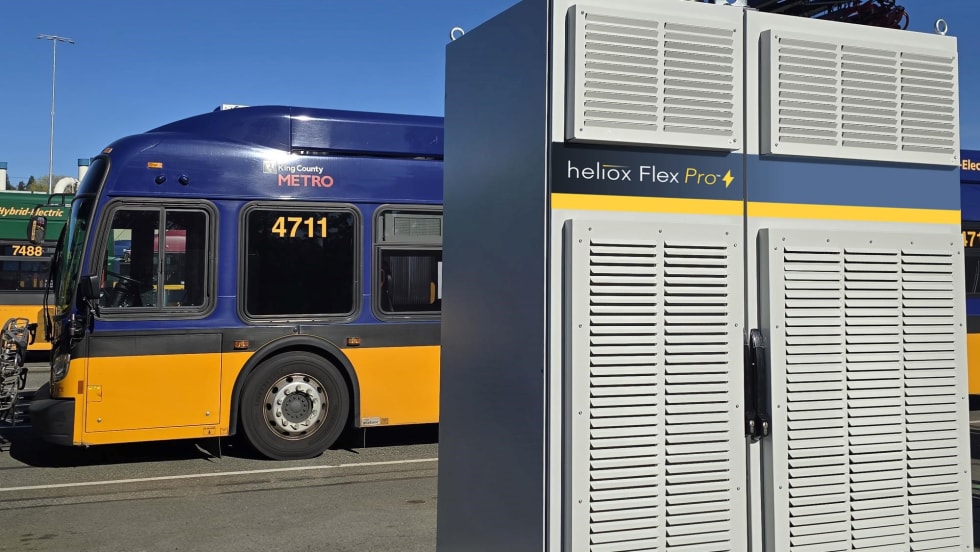
Heliox Pilots 480-kW Bus Charger with King County Metro
King County Metro is piloting Heliox’s new 480-kW Flex Pro charger to support expansion of its battery-electric bus fleet and depot charging infrastructure. The compact charging system supports pantograph and plug-in charging configurations for high-density transit operations.
Read More →