




Similar Content: SD City Transitions to E-30
Study: E30 Use Safe for Gasoline Vehicles
A team at the University of Nebraska-Lincoln reached its conclusion after a yearlong demonstration, comparing various data points among a fleet of state-owned, non-flex-fuel vehicles.
by Staff
March 9, 2021
Photo: Pexels
2 min to read
Gasoline blended with 30% ethanol (E30) is safe for long-term use in non-flex-fuel vehicles (FFVs), according to a report based on a demonstration project conducted by the University of Nebraska-Lincoln (UNL) and the state of Nebraska.
A team at the UNL Engineering Department — led by Dr. Rajib Saha, assistant professor of Chemical and Bimolecular Engineering — reached its conclusion after a yearlong demonstration, permitted by the U.S. Environmental Protection Agency (EPA), comparing various data points among a fleet of state-owned, non-FFVs. The majority of vehicles in the study were Dodge Avengers. The cost per mile for E15 and E30 vehicles were nearly identical, and E30 had no observable negative effect on vehicle performance, according to the report summary.
“There has been inconsistent messaging that using higher blends of ethanol reduces the fuel efficiency or wears down parts,” said Adil Alsiyabi, the primary UNL researcher of the E30 demonstration. “But what the results show is that none of that is true. By going through rigorous testing, we’ve proven higher ethanol blends do not decrease efficiency or compromise engine performance. Our goal was to find out if the vehicles on the road today can use ethanol blends up to E30 with no loss in fuel mileage and no mechanical issues.”
The demonstration captured data using On-Board Diagnostics (OBD) devices on approximately 50 vehicles through both warm and cold seasons. When the engine was started, the device captured millions of data points, giving UNL researchers an opportunity to monitor fuel efficiency, vehicle performance, emissions control systems, and many more systems. Additionally, drivers kept a log each time they filled up and provided their experience about maintenance and efficiency.
Under U.S. EPA current guidelines, only FFVs can use blends higher than E15. This demonstration confirms that today’s conventional vehicles can safely and economically use E30. Since ethanol is made locally from Nebraska corn, it is often cheaper than other gasoline options, according to the governor’s office. Ethanol also replaces toxic chemicals found in gasoline with renewable octane—making it a healthier, cleaner fuel.
More Green Fleet
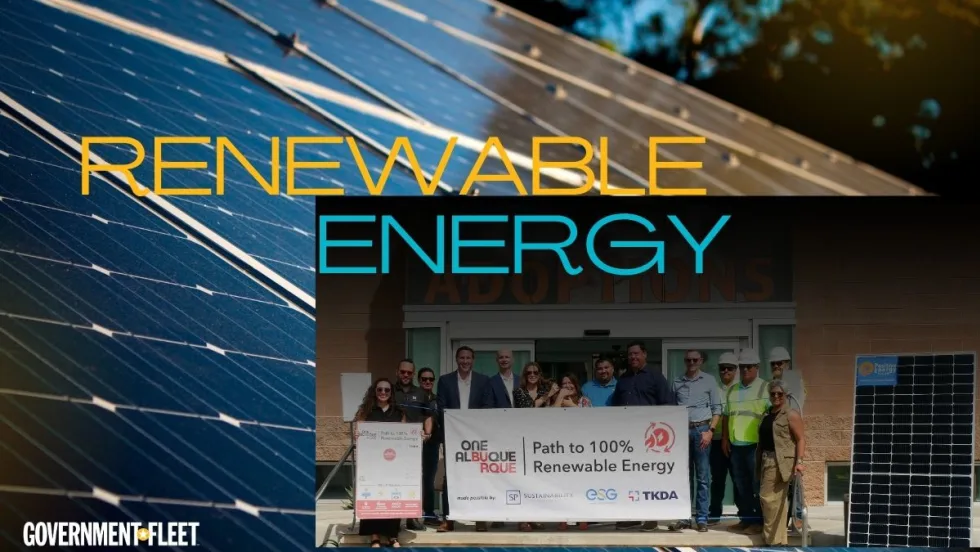
Sustainability Partners, Energy Systems Group Help Albuquerque Close the Gap on its 100% Renewable Energy Goal
The eight-site, 6 MW solar project has advanced the city toward 100% renewable energy for municipal operations.
Read More →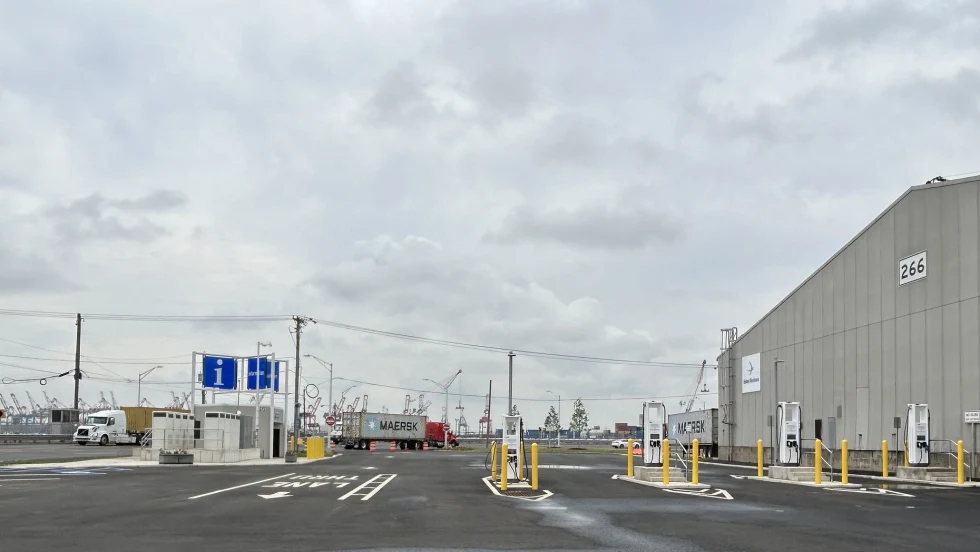
Port Authority and CALSTART Launch $45 Million Electric Truck and Charging Programs
The programs aim to boost sustainable operations across the East Coast's busiest seaport.
Read More →
Moving Government Fleets Beyond the Vehicle Purchase: EV as a Service
A discussion on how EVaaS is moving beyond pilot programs and what fleets should consider before beginning a larger deployment.
Read More →
Moving Government Fleets Beyond the Vehicle Purchase: EV as a Service
As fleets move beyond small EV pilots, Sustainability Partners CEO Adam Cain explains how EVaaS can address the infrastructure and long-term planning required for larger deployments.
Read More →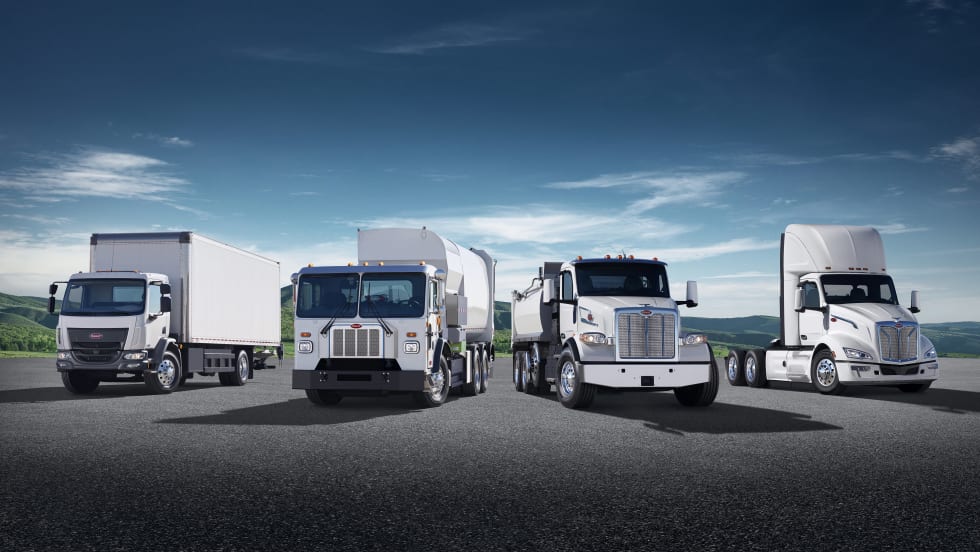
Peterbilt Expands Sourcewell Partnership with Electric Vehicle Lineup
The agreement aims to provide streamlined procurement of Peterbilt trucks for government, education, nonprofit and tribal organizations across the United States and Canada.
Read More →
EV Adoption & Charging Challenges
Where is your fleet in the journey of vehicle electrification? If you're still looking for answers to fleet electrification you've come to the right place.
Read More →
Hawaii Passes Clean Fuel Policy
Hawaii lawmakers passed clean fuel legislation that could support renewable natural gas production, biogas-powered transportation, and lower-carbon fueling options for public and commercial fleets.
Read More →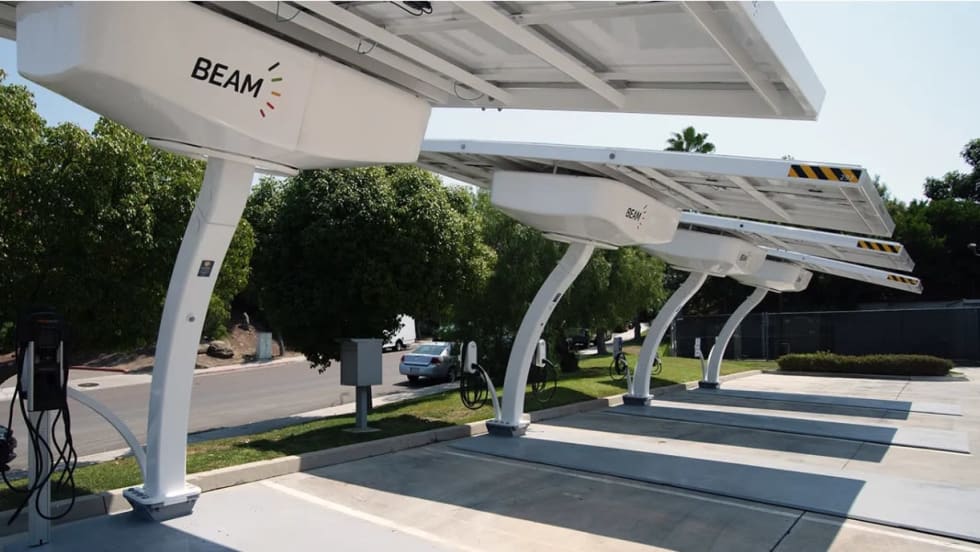
Stanislaus County Deploys Ten Beam Global EV ARC Systems to Support County Fleet Electrification
Stanislaus County deployed 10 off-grid solar-powered EV charging systems and a mobile charging trailer from Beam Global to support its electric fleet operations and emergency response flexibility.
Read More →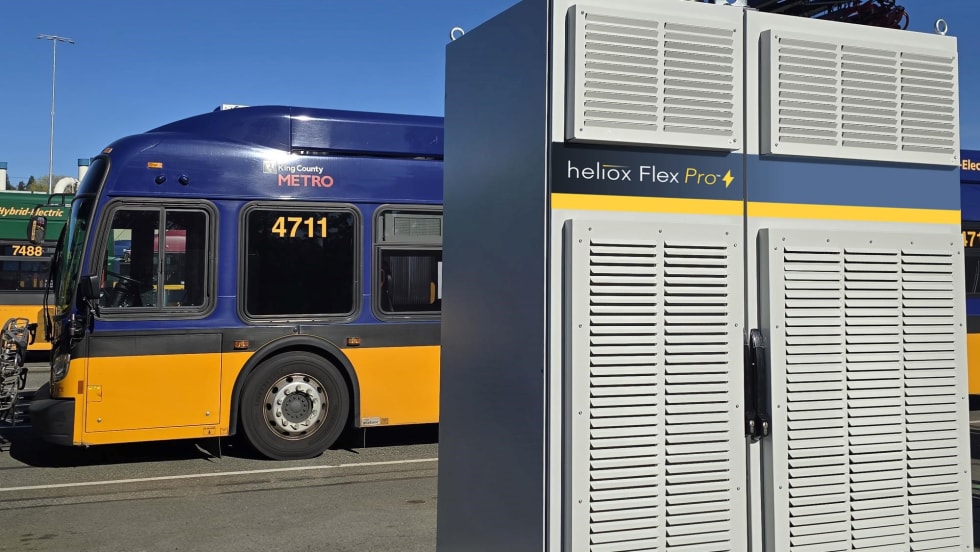
Heliox Pilots 480-kW Bus Charger with King County Metro
King County Metro is piloting Heliox’s new 480-kW Flex Pro charger to support expansion of its battery-electric bus fleet and depot charging infrastructure. The compact charging system supports pantograph and plug-in charging configurations for high-density transit operations.
Read More →