





Learn More: California City PD Releases Tesla Patrol Vehicle Pilot Results
City in Colorado To Explore How EVs Reduce Building Energy Costs
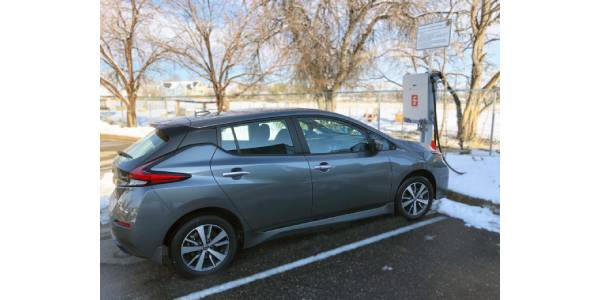
The City of Boulder is partnering with Fermata Energy to test the ability to reduce the city’s building energy costs with a pilot at the North Boulder Recreation Center.
December 4, 2020
2 min to read
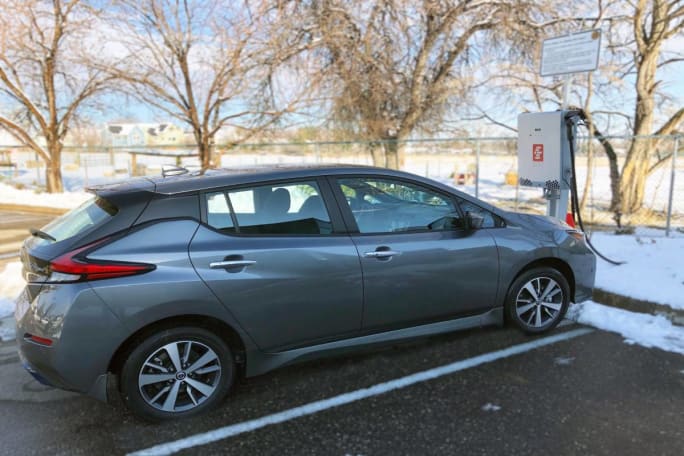
The City of Boulder is partnering with Fermata Energy to test the ability to reduce the city’s building energy costs with a pilot at the North Boulder Recreation Center.
Photo: City of Boulder
The City of Boulder is partnering with Fermata Energy to test the ability to reduce the city’s building energy costs with a pilot at the North Boulder Recreation Center.
Typically, electric vehicle (EV) chargers provide energy in one direction: from the energy grid or building to the car. In this new project, the city and Fermata Energy have installed a charging station that enables two-way electricity: from the building to the car and from the car back to the building. This technology, called vehicle-to-building (V2B), can provide the city new ways to manage its energy load and reduce energy costs.
Fermata Energy’s bidirectional charging system for EVs allows vehicle batteries to transfer energy from the battery back to a commercial building in order to support the building’s electric loads.
In the pilot, Boulder will connect one of its electric fleet vehicles to the V2B charging system, which also connects to the recreation center’s electricity system. Fermata Energy will continuously monitor the recreation center’s electrical loads. The city will have access to this information and data will be shared via the project website.
The fleet car will charge at night, when building energy demand is low, and discharge the battery to the recreation center during the day, when the building’s demand peaks. The goal is to reduce peak demand which in turn can reduce the monthly bill.
“We look forward to testing this new technology and seeing the data to understand the potential of technology like this,” said Matt Lehrman, the city’s Energy Strategy Advisor. “If we can reduce our peak demand and save money through this project, it might unlock new use cases for expanding the city’s electric vehicle fleet. Not only can electric vehicles help meet our climate goals and reduce air pollution, they might be a strategy to reduce operation costs and enhance resilience.”
“Our technology is designed to assist EV owners in saving money, generating revenue, and reducing energy costs," said David Slutzky, founder and CEO of Fermata Energy. "We look forward to supporting the city's efforts to transition to electric vehicles in addition to leveraging EVs to help the city increase its energy resilience and save money with increased EV use.”
The city expects to begin receiving data from the pilot in early 2021. Currently, the city owns or leases 21 all-electric vehicles in its fleet and seeks to replace gasoline and diesel vehicles with EVs as vehicles come up for replacement. In Sept., Boulder City Council adopted the GoEV City resolution, declaring support for transportation electrification across the community and testing innovative electric vehicle technology such as this pilot project.
More Green Fleet
Sustainability Partners, Energy Systems Group Help Albuquerque Close the Gap on its 100% Renewable Energy Goal
The eight-site, 6 MW solar project has advanced the city toward 100% renewable energy for municipal operations.
Read More →
Port Authority and CALSTART Launch $45 Million Electric Truck and Charging Programs
The programs aim to boost sustainable operations across the East Coast's busiest seaport.
Read More →
Moving Government Fleets Beyond the Vehicle Purchase: EV as a Service
A discussion on how EVaaS is moving beyond pilot programs and what fleets should consider before beginning a larger deployment.
Read More →
Moving Government Fleets Beyond the Vehicle Purchase: EV as a Service
As fleets move beyond small EV pilots, Sustainability Partners CEO Adam Cain explains how EVaaS can address the infrastructure and long-term planning required for larger deployments.
Read More →
Peterbilt Expands Sourcewell Partnership with Electric Vehicle Lineup
The agreement aims to provide streamlined procurement of Peterbilt trucks for government, education, nonprofit and tribal organizations across the United States and Canada.
Read More →
EV Adoption & Charging Challenges
Where is your fleet in the journey of vehicle electrification? If you're still looking for answers to fleet electrification you've come to the right place.
Read More →
Hawaii Passes Clean Fuel Policy
Hawaii lawmakers passed clean fuel legislation that could support renewable natural gas production, biogas-powered transportation, and lower-carbon fueling options for public and commercial fleets.
Read More →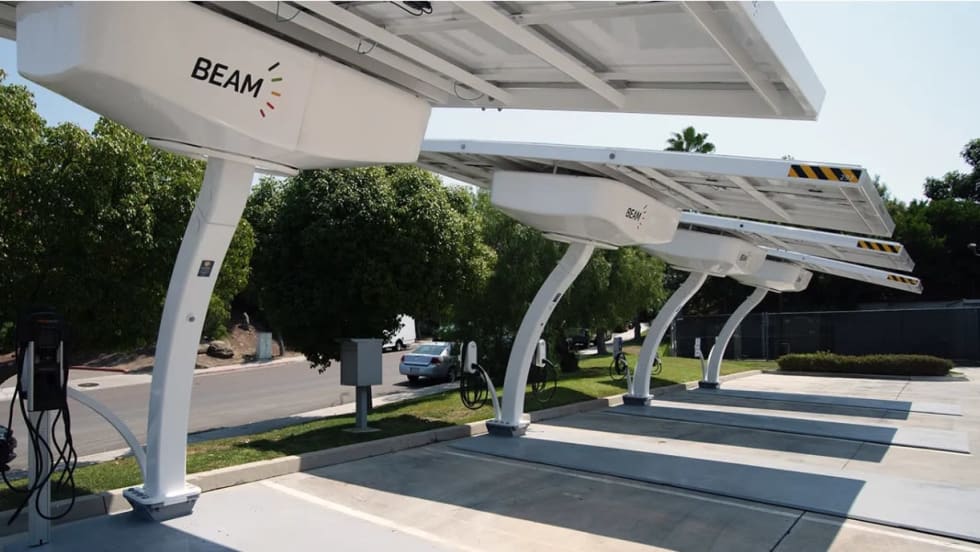
Stanislaus County Deploys Ten Beam Global EV ARC Systems to Support County Fleet Electrification
Stanislaus County deployed 10 off-grid solar-powered EV charging systems and a mobile charging trailer from Beam Global to support its electric fleet operations and emergency response flexibility.
Read More →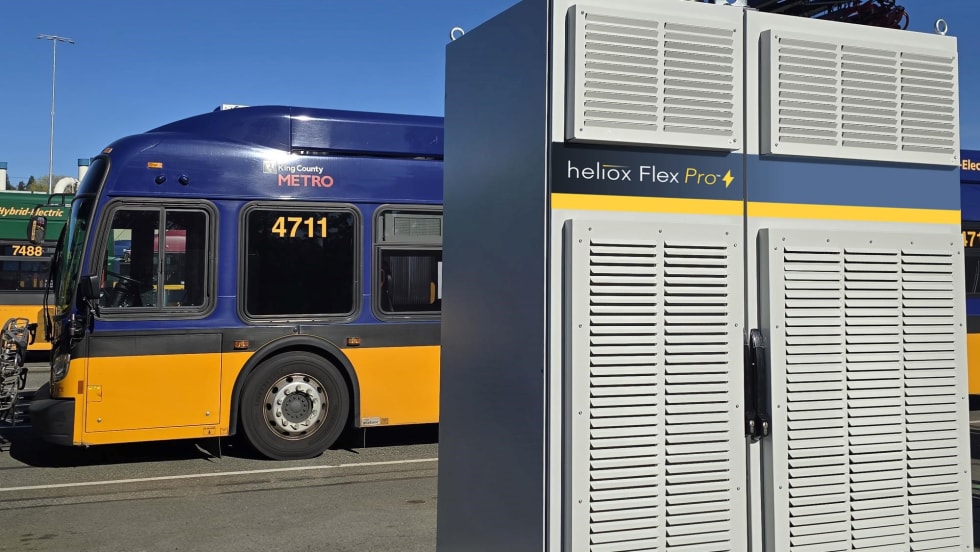
Heliox Pilots 480-kW Bus Charger with King County Metro
King County Metro is piloting Heliox’s new 480-kW Flex Pro charger to support expansion of its battery-electric bus fleet and depot charging infrastructure. The compact charging system supports pantograph and plug-in charging configurations for high-density transit operations.
Read More →