




Learn More: Creating a Path for Technician Growth
Bringing a New Shade of Green to a Sheriff's Fleet
Tim Coxwell wants the Sheriff’s Office of Leon County, Fla., to serve as an example of leadership to the community.

Lexi Tucker・Senior Editor
4 min to read

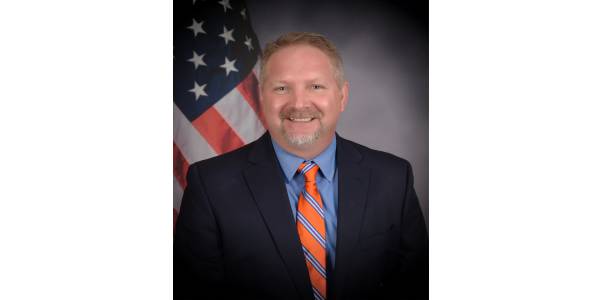
Tim Coxwell
Tim Coxwell CAFM, CPFP, fleet management division director for the Leon County, Fla., Sheriff's Office, got his start as an industry vendor. When he was asked to participate in the recruiting and hiring of the next fleet manager for the Sheriff’s Office, he was convinced it was time for a life change. After discussing what the job description, hours, and pay would be, he made the switch from running retail automotive repair shops to running a fleet; a change he’s very thankful he decided to take.
Pursuing Hybrid Workers and Vehicles
While the benefits obviously didn’t hurt, it was the ability to take on the project of modernizing and rebuilding the organization that truly intrigued him. Since his start in 2013, the fleet has grown from just under 500 vehicles to just under 600, and from two employees to six.
Everyone on his team is ASE certified and cross-trained – Coxwell dubs them ‘hybrid workers.’ They order, receive, and invoice their own parts, schedule repairs, open and complete work orders, as well as maintain a fuel island and the facility. On top of being an administrator, Coxwell also conducts data analysis and reporting, mentors employees and other people throughout the state of Florida through the Florida Sheriff’s Association (FSA) and Florida Association of Governmental Fleet Administrators (FLAGFA), and even turns wrenches and does diagnostic work on vehicles.
“The most interesting part of the job for me is what I call ‘bringing a new shade of green’ to the fleet. I’m very interested in introducing hybrid vehicles and planting the seeds to acquire electric vehicles in the future,” he says.
The department has replaced most of its aging Chevy Impalas with new Toyota Camry hybrids, which have helped it save a great deal of money and fuel: about 41,000 gallons per year, in fact. Depending on the price of that fuel, the vehicles could save the department anywhere from $100,000 to $200,000 annually. It’s also swapped 13 regular SUVs with 13 Hybrid Toyota Highlanders, which are estimated to save another 12,800 gallons of fuel.
“Going green is our responsibility. People look to us to be leaders in the community; not just in the way we behave in public, but also in how we drive and what we drive. 90% of communication is nonverbal, and when a citizen is riding on the interstate alongside one of our vehicles, I want them to see we are using hybrid technology,” he explains.
Obtaining Certifications
Like many other government fleet leaders, Coxwell struggled with staffing in the beginning of his fleet career. Some industry mentors encouraged him to study for and obtain certifications to help gain stronger credibility while making his case for needing more employees.
He enrolled in the Certified Automotive Fleet Manager (CAFM) program and got his certification within a year. About a month or two after completing the NAFA certification, he did American Public Works Association (APWA) coursework for the Certified Public Fleet Professional (CPFP) test and earned it as well.
“In the process of doing the homework for those tests, I learned how to properly determine what my staffing levels should be, and was able to present it in a plan to the Board of County Commissioners, Chief Administrative Officer, Undersheriff, and Sheriff. Eventually, over a period of annual budget battles, we’ve increased our staffing level from two technicians to six, with a final goal of nine.”
As for advice for other up-and-coming fleet professionals, he says he regrets not starting the certification process earlier.
“If I had started earlier, my fleet would certainly be in better shape than it is today, because I would have started doing things according to the industry standard from the beginning.”
The value of obtaining certification is significant. Fleet managers with certifications can earn about 27% more than uncertified fleet managers can.
Not only does it help your paycheck, it also improves your ability to promote your goals and aspirations, according to Coxwell.
“The designation establishes credibility amongst your peers. CFOs and accountants have the CPA, lawyers have the state bar, and fleet professionals have the CAFM or CPFP. When you're going into meetings and asking for things the budget office isn’t used to, it can put them off. The certification process teaches you how to speak their language. You're able to find common ground during meanings. With that designation behind your name, it lets them know they're dealing with a professional. The majority of accountants think the fleet guy has got a wrench in one hand and a sandwich in the other, and that's just not the case anymore.”
Subscribe to Our Newsletter
More Police

Ford Pro Introduces Full-Size 2028 Expedition Police Responder
Ford Pro gave law enforcement customers a first look at the pursuit-rated utility during Police Fleet Expo.
Read More →
Paterson Police Expand Drone Fleet, Launch Real-Time Operations Center
The Paterson Police Department has expanded its drone program and opened a new Real-Time Operations Center designed to support emergency response and incident management. The initiative integrates multiple technologies to provide officers with real-time information during investigations and public safety operations.
Read More →
Why Public Fleet Success Depends on More Than the Vehicles
Tim Coxwell of the Leon County Sheriff’s Office discusses the projects shaping his fleet operation, including long-term work around vehicle selection, greenhouse gas emissions, and cost per mile.
Read More →
Havis Acquires Pro-gard Products
The acquisition brings together two manufacturers of public safety vehicle equipment under one company. Havis says the move expands its portfolio of products for outfitting law enforcement vehicles and other public safety fleets.
Read More →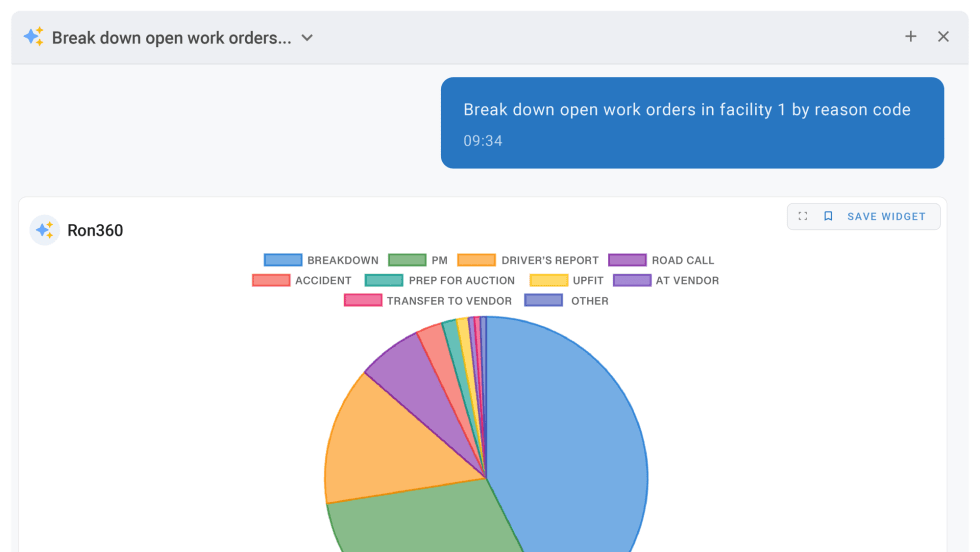
RTA Fleet Introduces AI Assistant for Fleet360 Platform
As artificial intelligence continues to gain traction across public-sector operations, fleet software providers are finding new ways to incorporate the technology into everyday workflows. RTA's latest addition aims to simplify how users interact with fleet data.
Read More →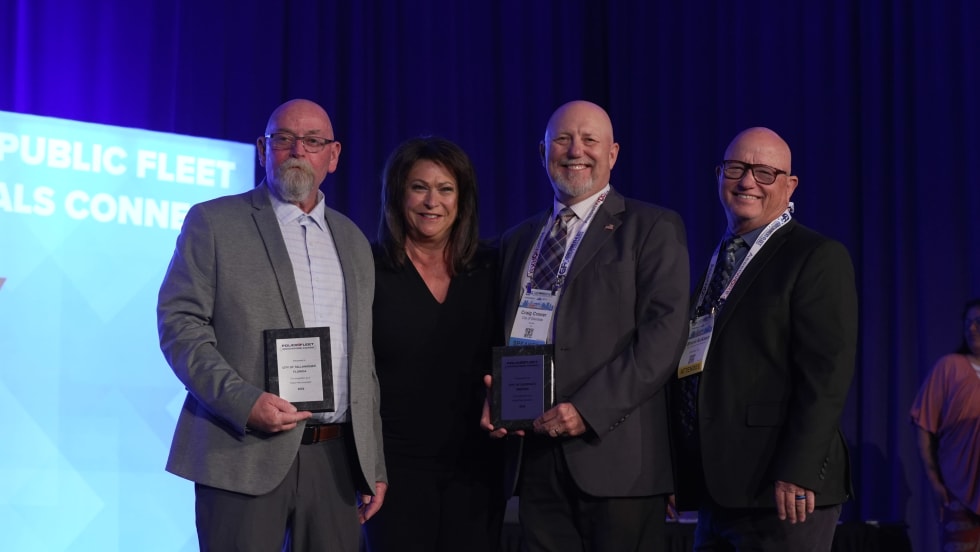
2026 Police Fleet Innovators Named
Meet the professionals finding new ways to solve some of law enforcement's toughest fleet challenges.
Read More →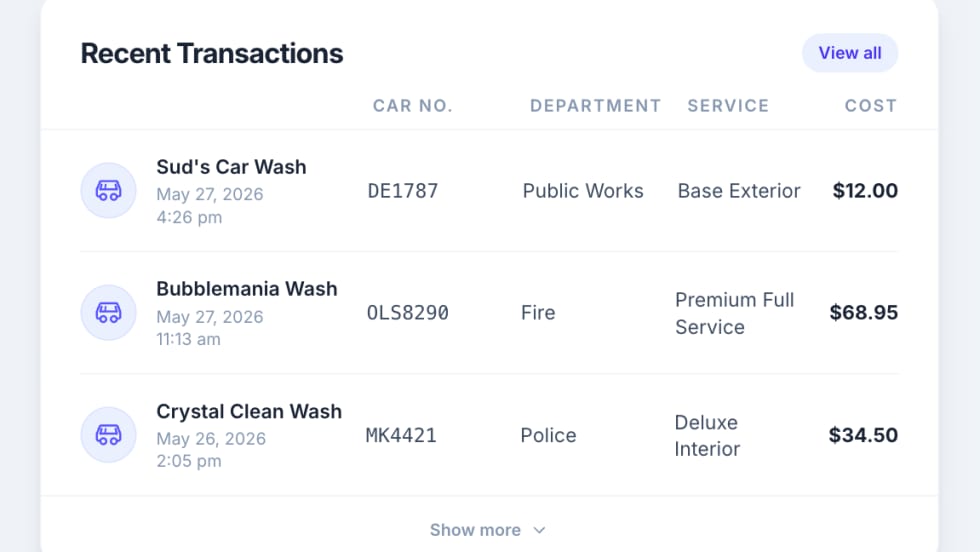
Rynse Expands Nationwide Fleet Wash Access for Law Enforcement
The North Carolina Sheriff’s Association Contract Cooperative purchasing contract aims to streamline procurement process for law enforcement agencies across the U.S.
Read More →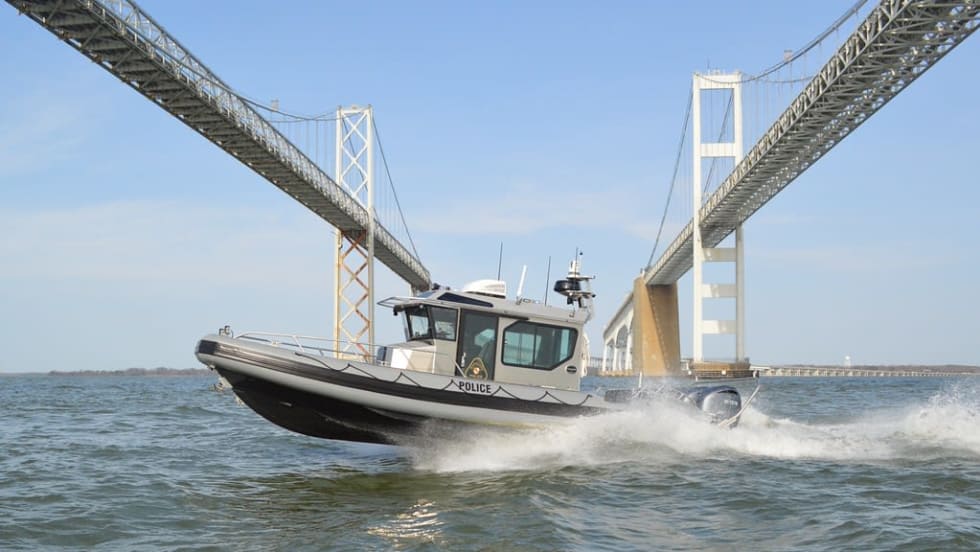
Maryland Natural Resources Police Adds 31-Foot Patrol Boat to Enforcement Fleet
A new addition to Maryland’s marine enforcement fleet is bringing expanded capabilities to Chesapeake Bay operations while honoring a legacy within the agency. The high-performance patrol vessel reflects how law enforcement fleets are adapting to growing demands on the water.
Read More →
LEHR Expands Florida Presence With Enforcement One Acquisition
LEHR has acquired Florida-based emergency vehicle upfitter Enforcement One, marking its eighth add-on acquisition.
Read More →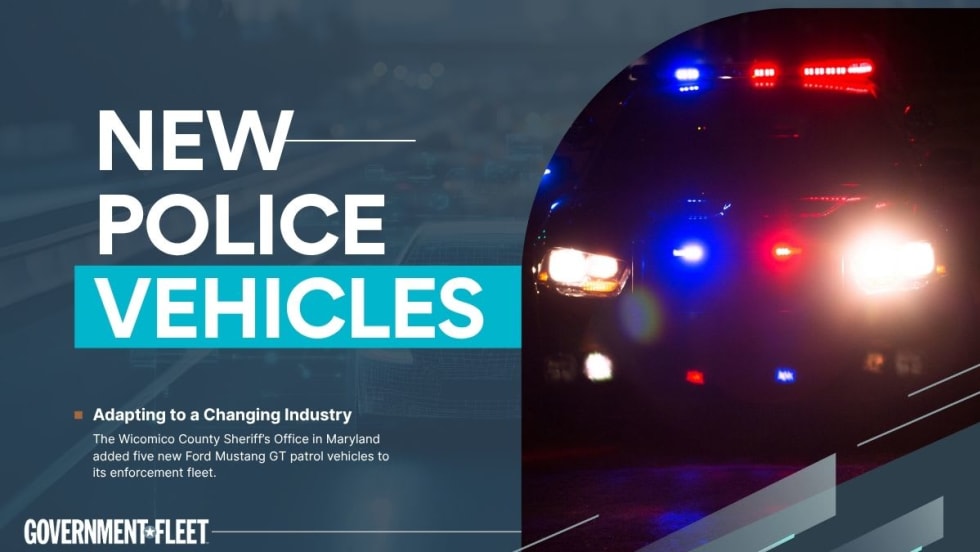
Maryland’s Wicomico County Sheriff Adds Mustang GT Patrol Vehicles
The agency is also working with the Maryland Police Training Commission on a specialized high-performance driving course for deputies assigned to the vehicles.
Read More →