


 MENU
MENU SEARCHMENUSEARCH
Loading data...
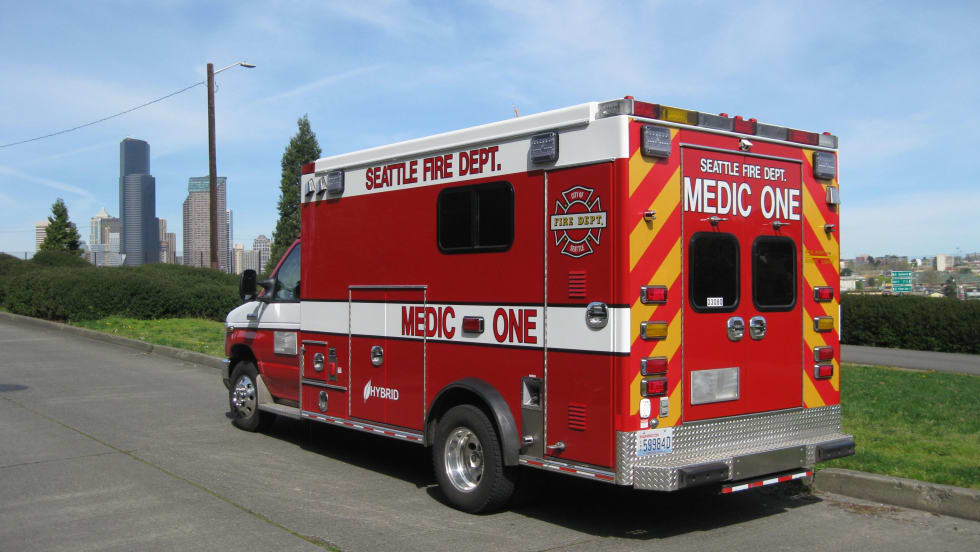
The City of Seattle has achieved a 23% increase in miles driven per gallon and a 19% reduction in carbon dioxide emissions in its hybrid ambulance vehicles.
Read More →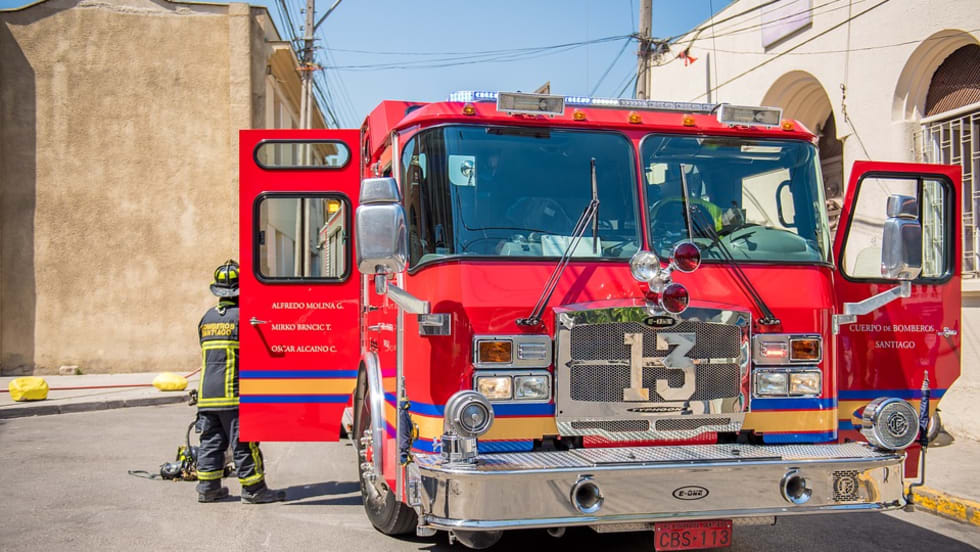
First responder trainers in Oklahoma will have an opportunity to learn safety procedures and best practices about alternative fuel vehicles on Aug. 24 and 25 at Oklahoma City Community College's Professional Development Institute.
Read More →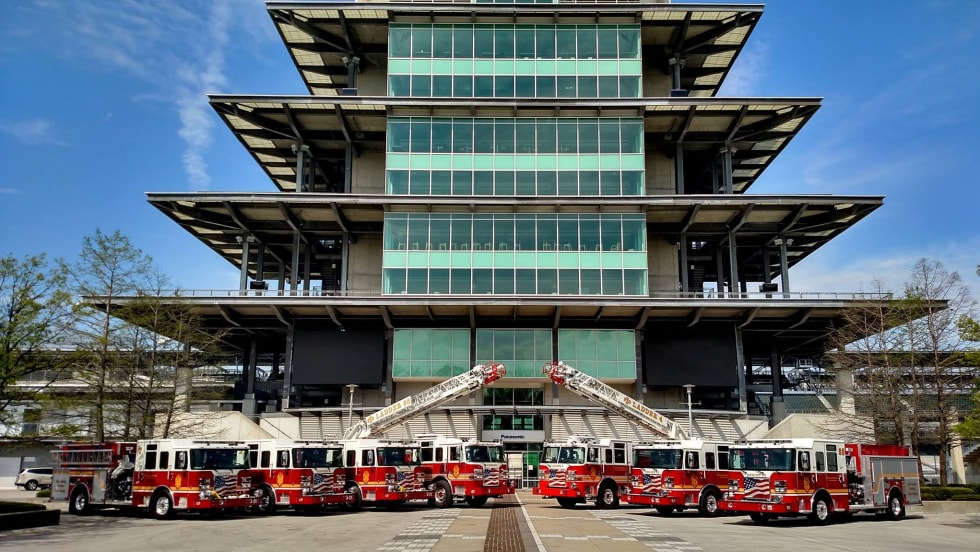
The National Alternative Fuels Training Consortium (NAFTC), in partnership with the Tulsa Area Clean Cities (TACC), launched three newly developed alternative-fuel vehicle first responder safety training classes at Tulsa Community College in Oklahoma.
Read More →The City of St. George is leasing three new pumper trucks for just over $2 million. The units will allow the Fire Department to retire reserve trucks that have been in use since the 1970s.
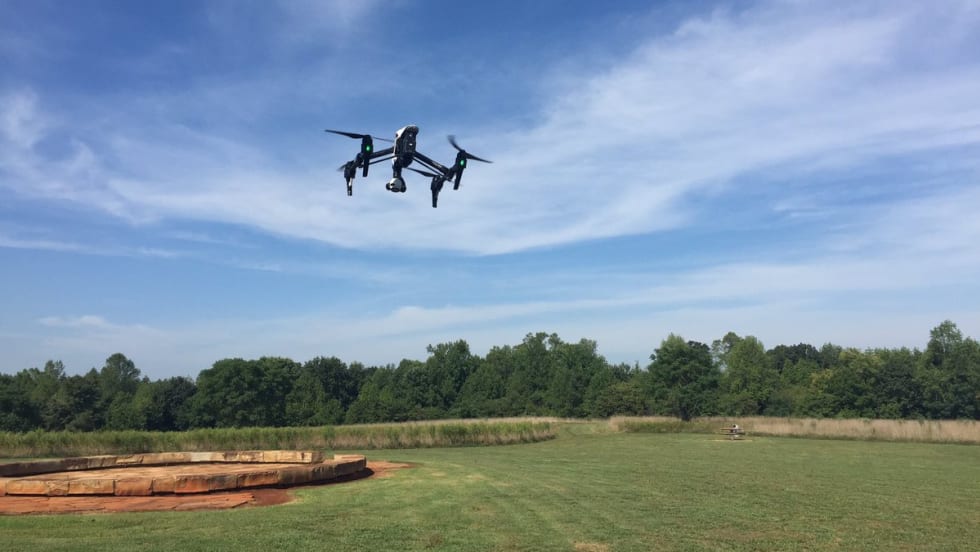
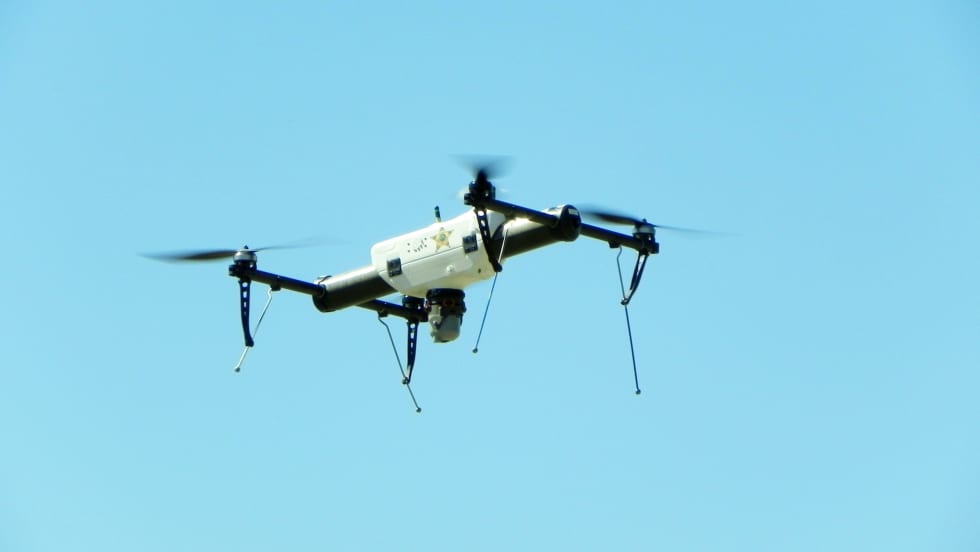
Read More →The Gwinnett County (Ga.) Police Department has added a drone to its department, which they’re now using to fly over scenes of serious traffic collisions and take pictures and video.
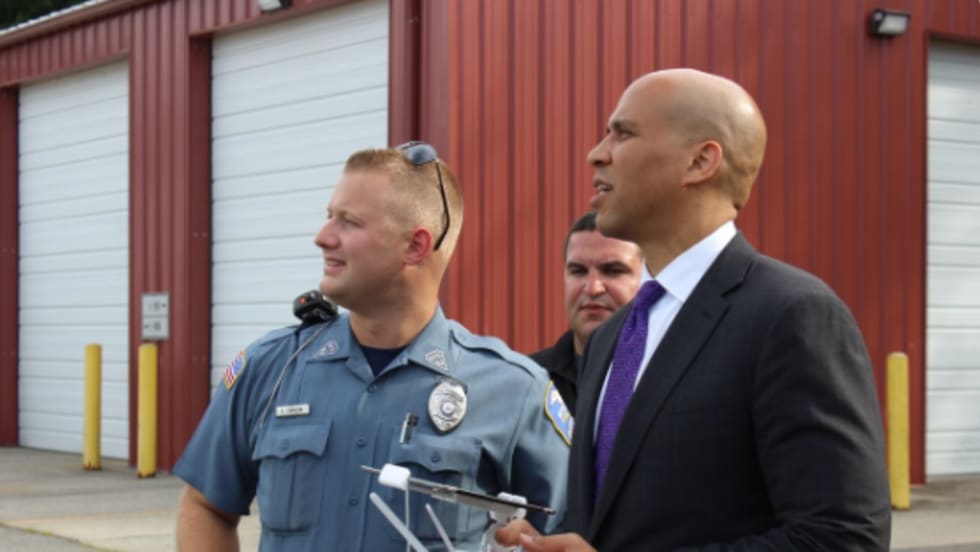
Read More →Since starting its drone program about a year ago, Bergen County's (N.J.) Office of Emergency Management has helped first responders pursue suspects and investigate fires more easily.
Read More →The Indianapolis Fire Department (IFD) in Indiana has placed five Pierce Saber pumpers and two Arrow XT 75-foot heavy-duty aerial ladders into service, joining 40 Pierce custom apparatus now serving at IFD.
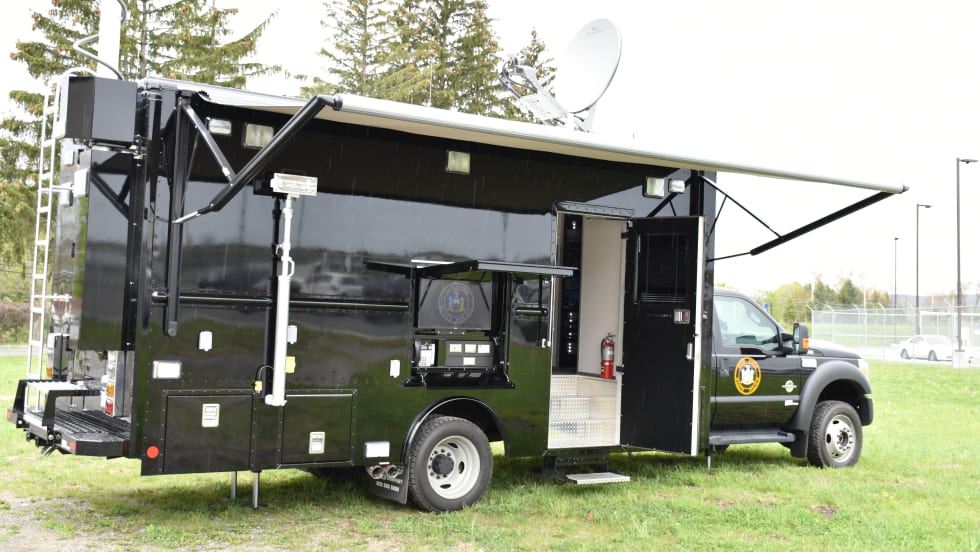
Read More →The state has acquired three of these vehicles to enhance communication and coordination between first responders during natural disasters, emergency scenes, and large public events.
Read More →Use of unmanned aerial vehicles (UAVs), or drones, have become more common, and public agencies are using them to document traffic accidents and crime scenes as well as help with fires, hazmat calls, and urban search and rescue.
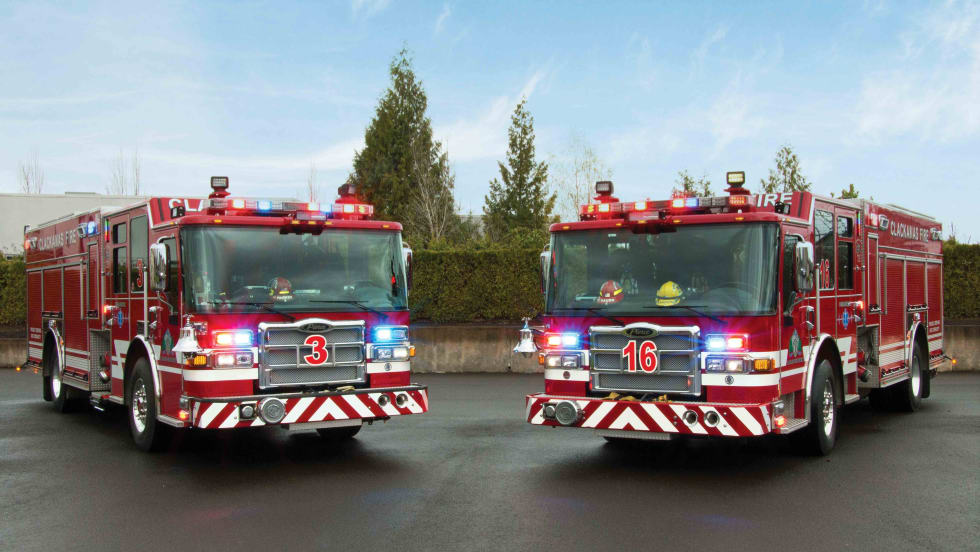
Read More →The Clackamas Fire District No. 1 in Oregon has purchased 15 fire and emergency apparatus designed by Pierce Manufacturing. The purchase includes six custom pumpers, two aerial tillers, three tankers, two wildland apparatus, and two heavy-duty rescues.
Read More →