




Alternative Fuel Vehicle Safety Training Offered for Okla. First Responders
First responder trainers in Oklahoma will have an opportunity to learn safety procedures and best practices about alternative fuel vehicles on Aug. 24 and 25 at Oklahoma City Community College's Professional Development Institute.
First responder trainers in Oklahoma will have an opportunity to learn safety procedures and best practices about alternative fuel vehicles on Aug. 24 and 25 at Oklahoma City Community College's Professional Development Institute.
The courses, taught by the National Alternative Fuels Training Consortium (NAFTC) are hosted by Tulsa Area Clean Cities (TACC), and are tailored to each profession. With an increased use of alternative fuel vehicles throughout Oklahoma, the chance of these new technologies being involved in a collision also increases. Fire, emergency medical services (EMS), and law enforcement personnel need to be trained on the proper procedures for safely addressing incidents involving these new technologies.
These three targeted courses feature techniques to safely respond to vehicle collisions, incidents and injuries involving alternative fuel vehicles. Additionally, the courses include information on alternative fuels, their properties and origins, and ways in which alternative fuel vehicles differ from conventionally fueled vehicles.
Developed by the NAFTC, these courses were made possible by TACC through funding from the U.S. Department of Energy's (DOE) Clean Cities program, and were constructed from existing NAFTC First Responder Safety Training materials.
Registration is free and open to trainers from each field - police, fire, and EMS. Trainer status will be verified. Space is limited to 20 students per class, and registration ends Aug. 5.
For more information, e-mail Daniel Jeffries at djeffries@incog.org.
More Police

Ford Pro Introduces Full-Size 2028 Expedition Police Responder
Ford Pro gave law enforcement customers a first look at the pursuit-rated utility during Police Fleet Expo.
Read More →
Paterson Police Expand Drone Fleet, Launch Real-Time Operations Center
The Paterson Police Department has expanded its drone program and opened a new Real-Time Operations Center designed to support emergency response and incident management. The initiative integrates multiple technologies to provide officers with real-time information during investigations and public safety operations.
Read More →
Why Public Fleet Success Depends on More Than the Vehicles
Tim Coxwell of the Leon County Sheriff’s Office discusses the projects shaping his fleet operation, including long-term work around vehicle selection, greenhouse gas emissions, and cost per mile.
Read More →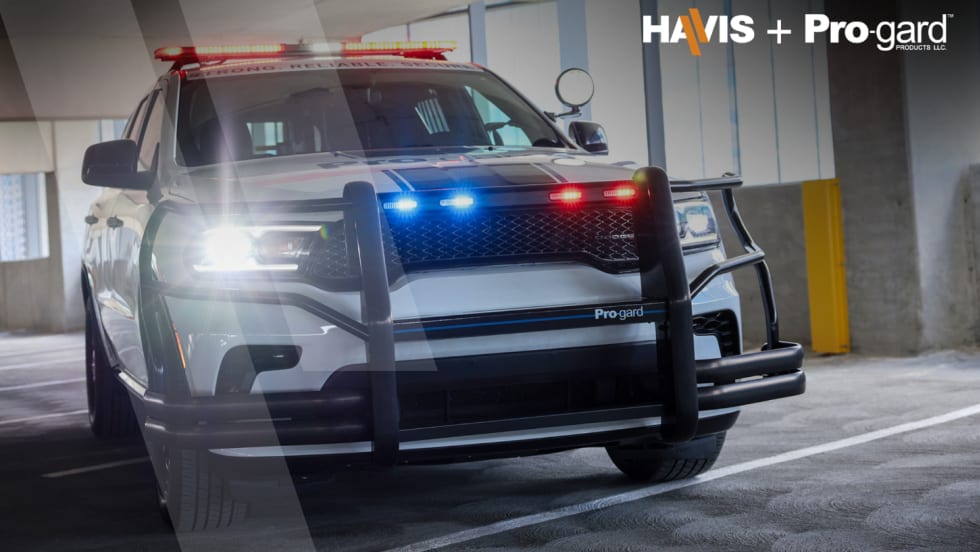
Havis Acquires Pro-gard Products
The acquisition brings together two manufacturers of public safety vehicle equipment under one company. Havis says the move expands its portfolio of products for outfitting law enforcement vehicles and other public safety fleets.
Read More →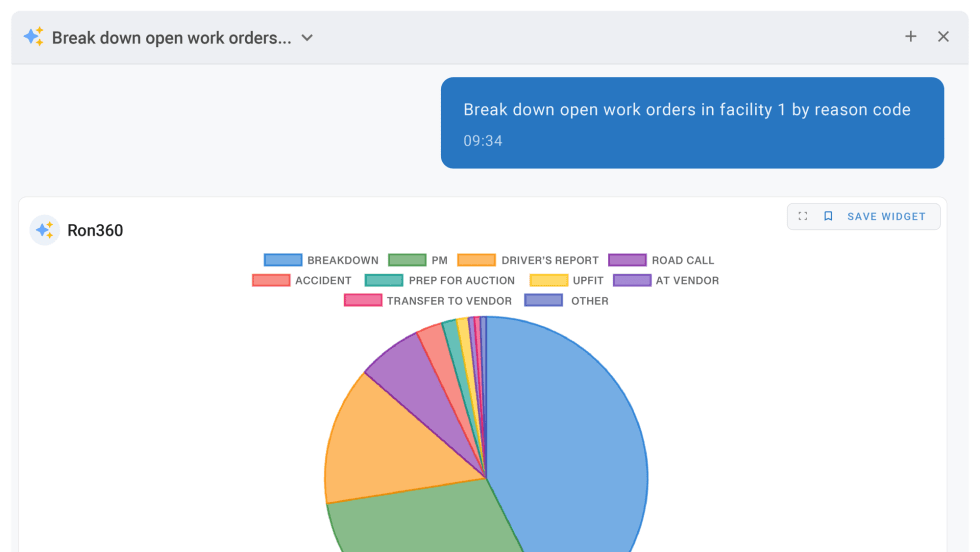
RTA Fleet Introduces AI Assistant for Fleet360 Platform
As artificial intelligence continues to gain traction across public-sector operations, fleet software providers are finding new ways to incorporate the technology into everyday workflows. RTA's latest addition aims to simplify how users interact with fleet data.
Read More →
2026 Police Fleet Innovators Named
Meet the professionals finding new ways to solve some of law enforcement's toughest fleet challenges.
Read More →
Rynse Expands Nationwide Fleet Wash Access for Law Enforcement
The North Carolina Sheriff’s Association Contract Cooperative purchasing contract aims to streamline procurement process for law enforcement agencies across the U.S.
Read More →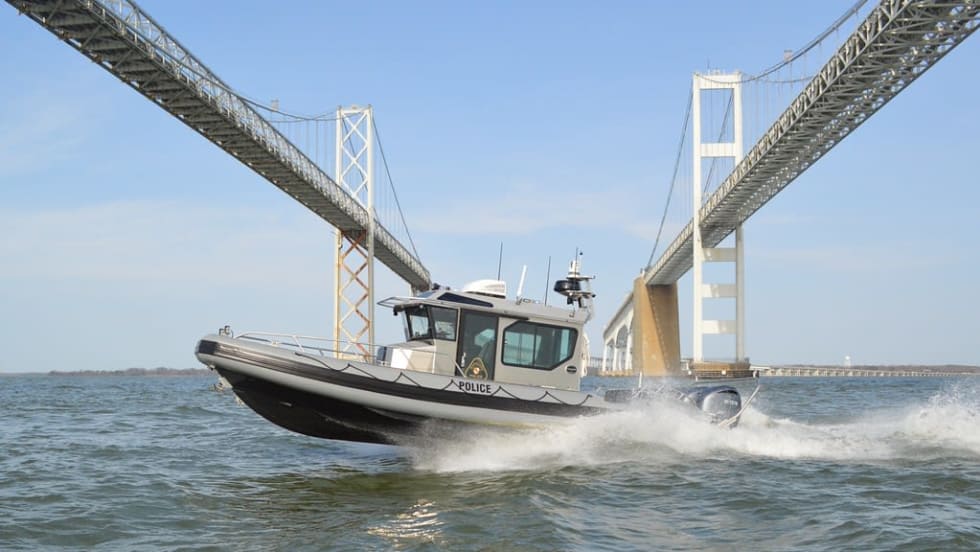
Maryland Natural Resources Police Adds 31-Foot Patrol Boat to Enforcement Fleet
A new addition to Maryland’s marine enforcement fleet is bringing expanded capabilities to Chesapeake Bay operations while honoring a legacy within the agency. The high-performance patrol vessel reflects how law enforcement fleets are adapting to growing demands on the water.
Read More →
LEHR Expands Florida Presence With Enforcement One Acquisition
LEHR has acquired Florida-based emergency vehicle upfitter Enforcement One, marking its eighth add-on acquisition.
Read More →
Maryland’s Wicomico County Sheriff Adds Mustang GT Patrol Vehicles
The agency is also working with the Maryland Police Training Commission on a specialized high-performance driving course for deputies assigned to the vehicles.
Read More →