


 MENU
MENU SEARCHMENUSEARCH
Loading data...
The City of Fargo, N.D., is considering converting its refuse and bus fleet to run on compressed natural gas (CNG) and using landfill gas to fuel these vehicles.
Read More →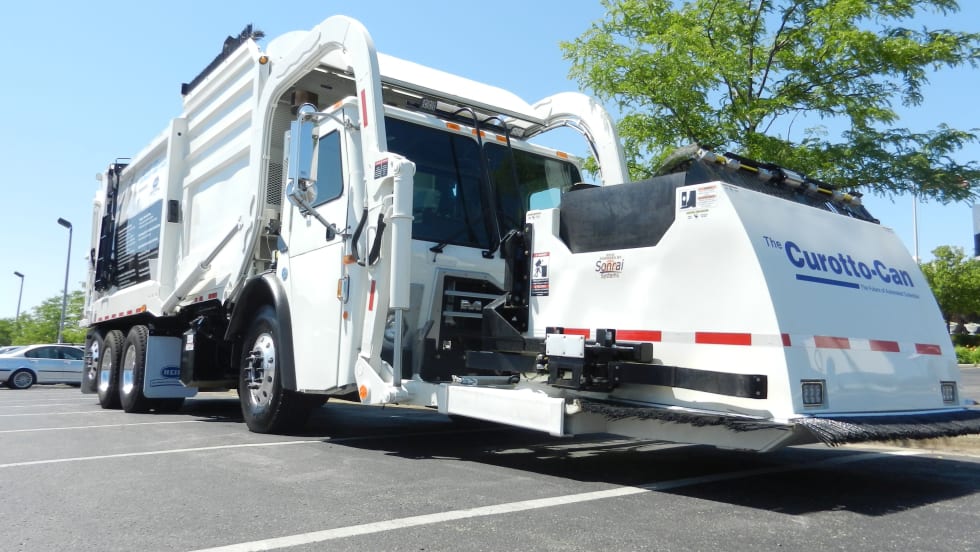
Between lighter, quieter trucks, front-loading models, and cutting-edge fuel choices, refuse trucks are better than ever.
Read More →The City of Grand Junction, Colo., has jointly invested in a biogas conditioning system and pipeline project that will provide a biogas-based fuel to municipal fleet vehicles, including 30 refuse trucks, dump trucks, pickups, and sedans.
Read More →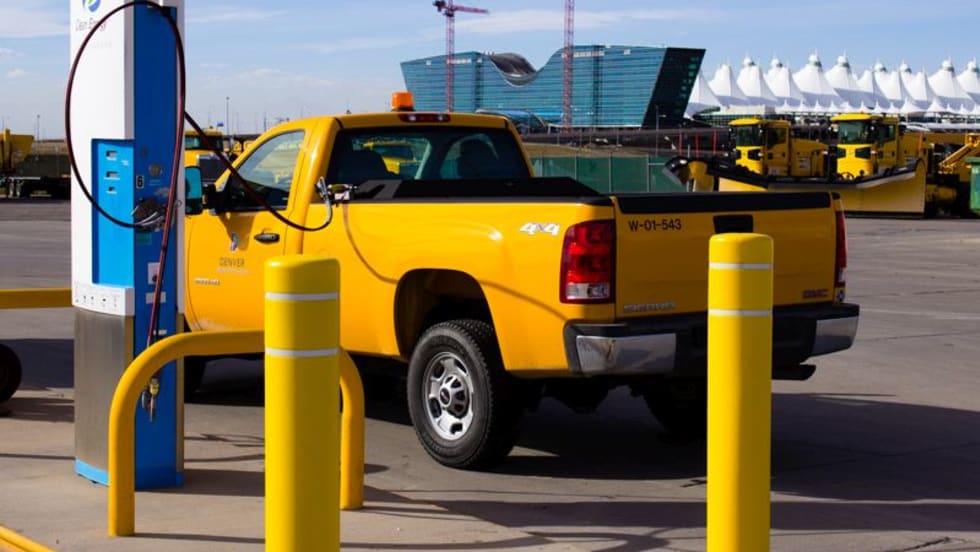

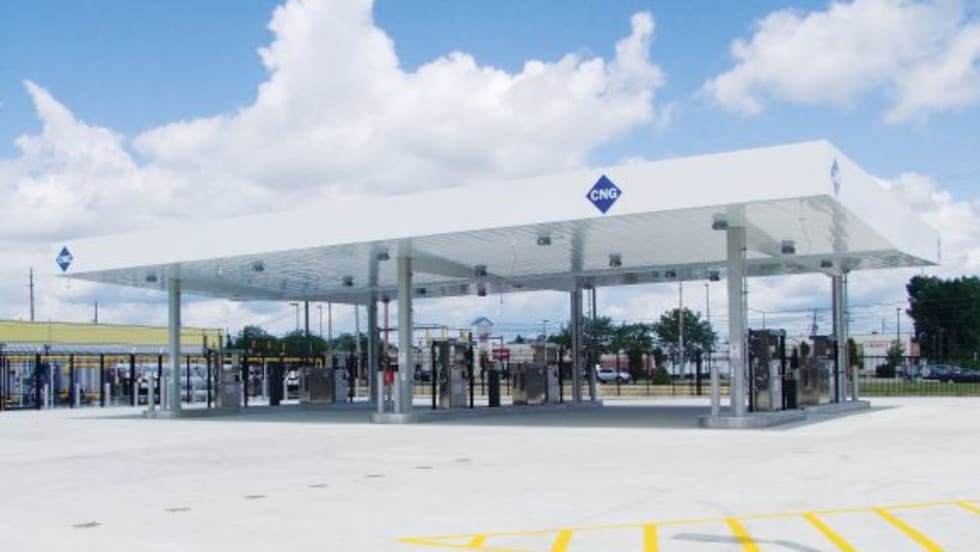
Florida's $4.7 million in rebates to fund construction of natural gas vehicle fueling stations has created 1,820 jobs and $68 million in wages since it went into effect on Jan. 1, according to the Florida Natural Gas Vehicle Coalition (FNGVC).
Read More →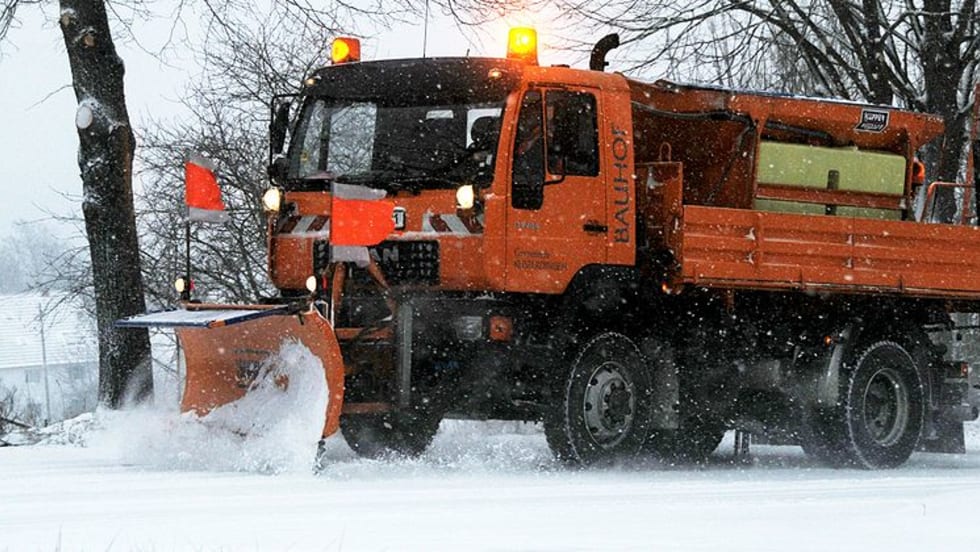

By switching 165 fleet vehicles to natural gas, Denver International Airport (DIA) in Colorado has prevented the equivalent of 3,347,600 lbs. of carbon dioxide emissions from entering the atmosphere in 2013.
Read More →Salt Lake County, Utah, is constructing a time-fill compressed natural gas (CNG) fueling station for its refuse vehicles.
Read More →While CNG can be a cost-efficient alternative fuel, it's also an expensive investment that needs to be implemented correctly. Here, a fleet manager discusses lessons learned from mistakes made with a real CNG fleet implementation and the expensive results of the these mistakes.
Read More →The Clean Vehicle Education Foundation (CVEF) has issued a warning addressing potential hazards for CNG dispensers with winter temperatures.
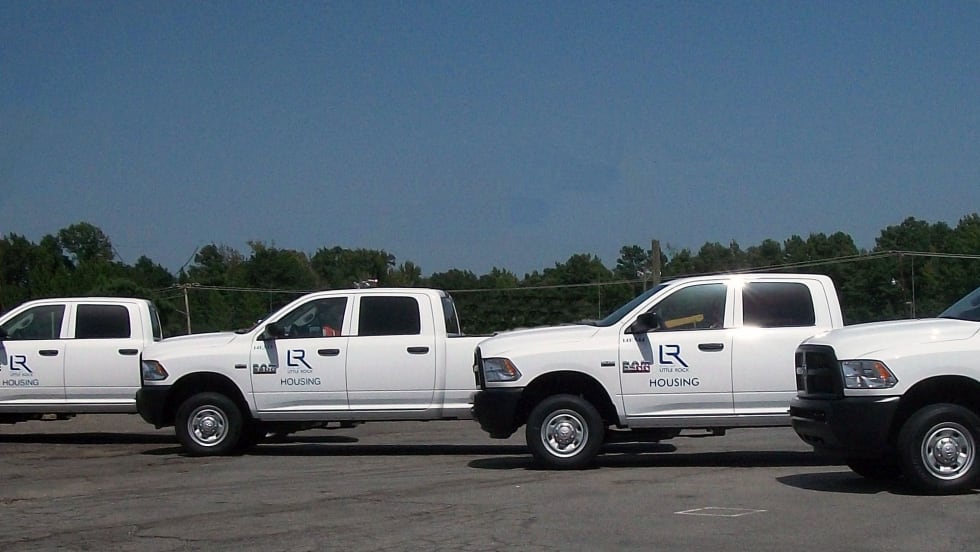
Read More →The City of Little Rock's latest investments in CNG include three truck conversions and the purchase of nine Ram and Ford trucks.
Read More →The City of Columbus, Ohio, saved $430,000 in fuel costs by using compressed natural gas vehicles, the city's fleet administrator told an audience at the Government Fleet Expo and Conference in San Diego.
Read More →