


 MENU
MENU SEARCHMENUSEARCH
Loading data...
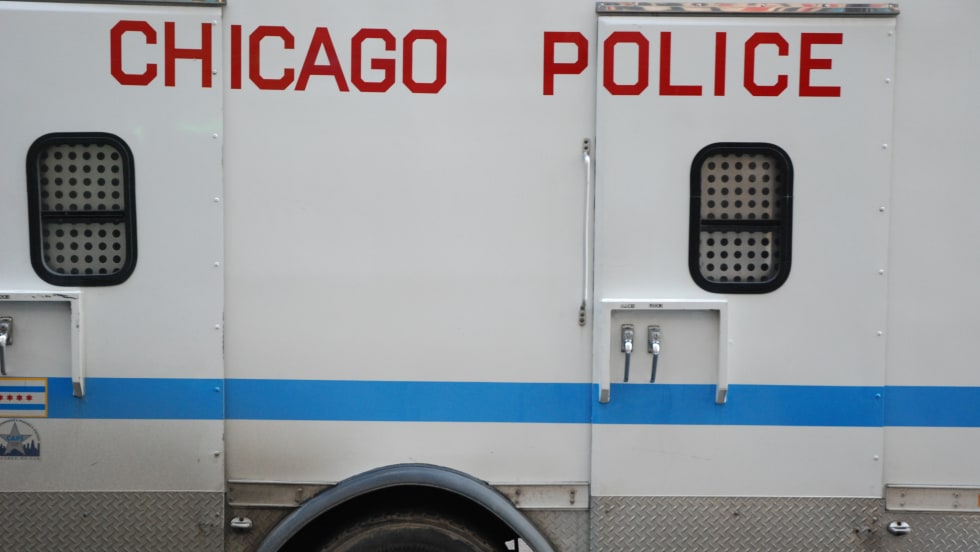
The Chicago Office of the Inspector General has received reports that nearly 10% of city police vehicles are unavailable because they are undergoing service at fleet maintenance facilities — nearly double the industry standard.
Read More →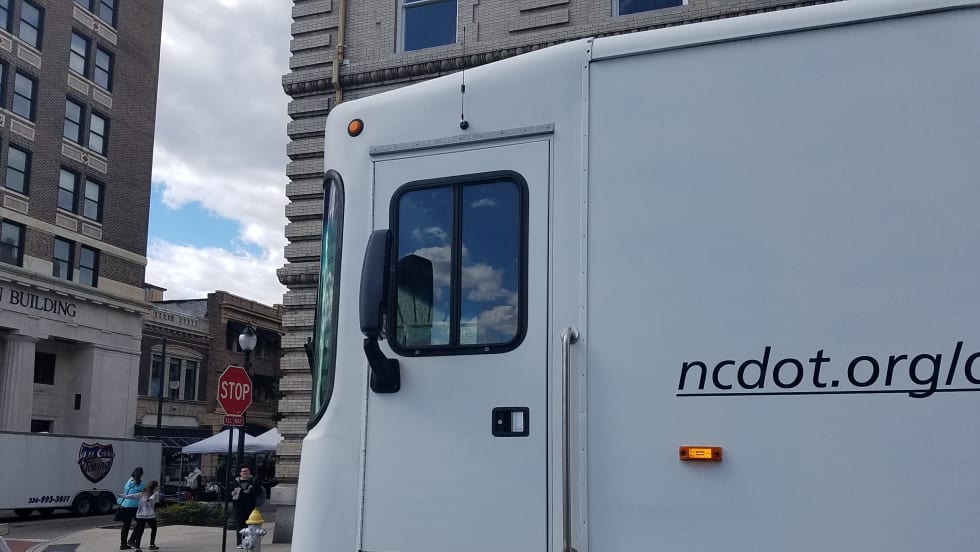


In response to an audit, the North Carolina Department of Administration noted that it is installing telematics systems in state-owned vehicles to enable greater oversight in monitoring vehicle usage.
Read More →An audit of Massachusetts’ Salem State University revealed that the university lacks efficient oversight of its fuel card program for university vehicles.
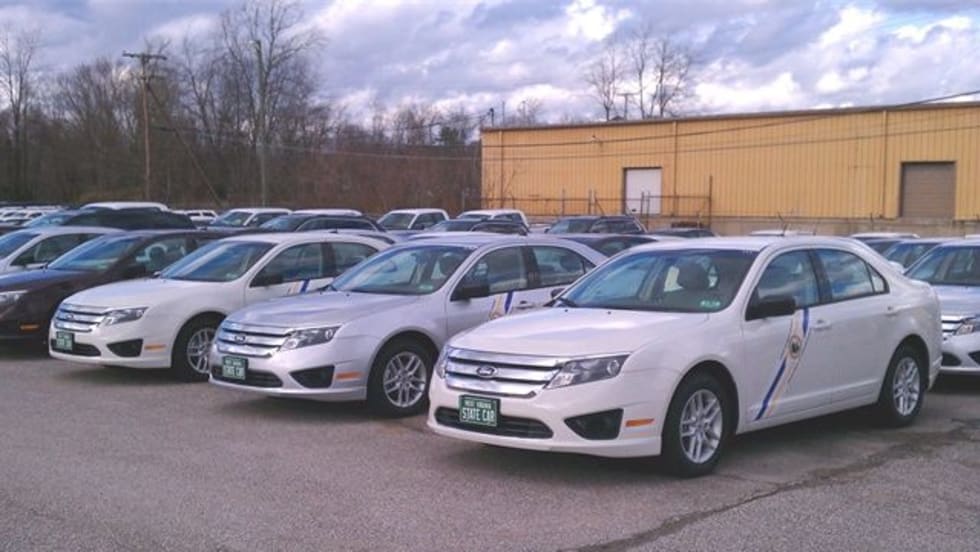
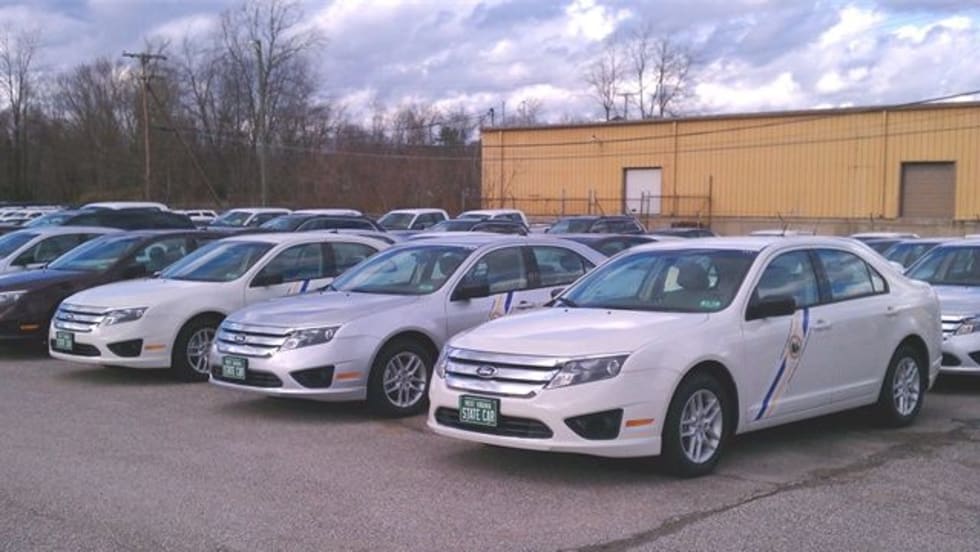
Read More →Over the past year, the West Virginia Legislative Auditor has conducted a series of investigations into the state fleet. However, fleet data has shown little change in the months since.
Read More →A forensic audit of the City of Petersburg, Va., identified systemic problems with the way with city manages purchasing card usage, fuel diversion, and theft/misuse of assets.
Read More →An audit by the State of Utah found the Lone Peak Public Safety District was at an increased risk of public funds being misused, including fleet vehicles being sold and purchased without proper documentation.
Read More →A West Virginia audit reviewed written fleet management policies related to maintenance, commuting, and fleet-size optimization from 93 agencies.
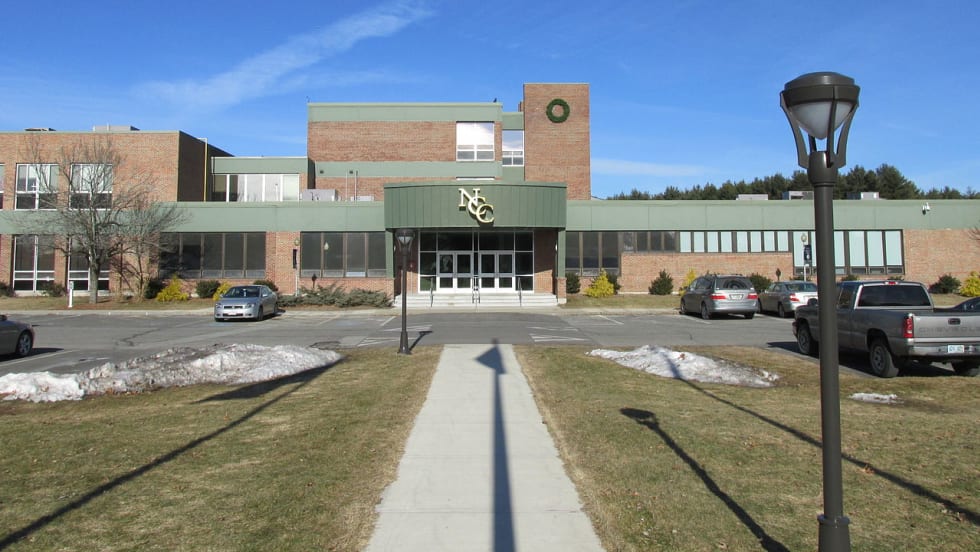
Read More →The report found that the Community College System of New Hampshire did not have established fleet policies or procedures, and relied on informal practices when making decisions.
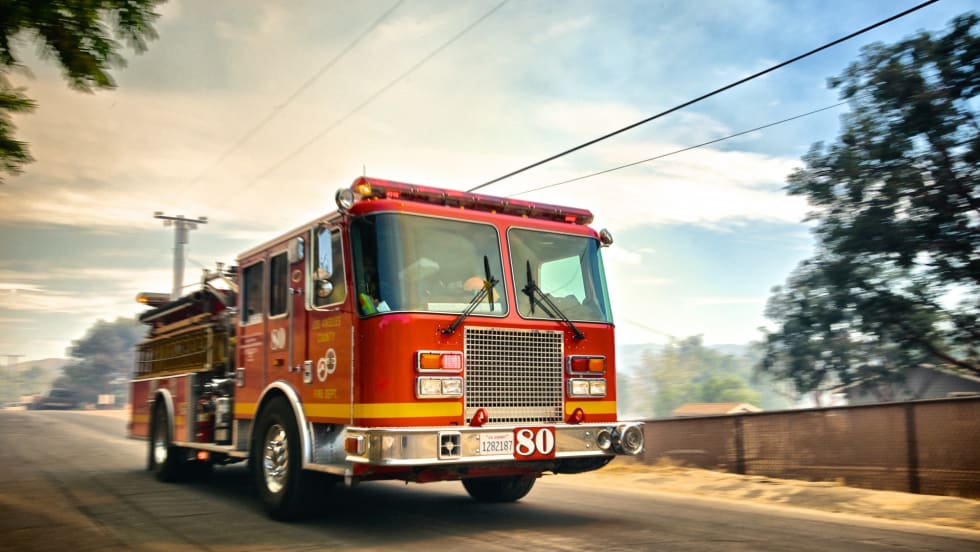
Read More →The procedural report analyzed finances of the St. Tammany (La.) Fire Protection District No. 2, focusing on credit cards and fuel cards.
Read More →The Fleet Management Office only had odometer data collected through its fuel vendor, and not all agencies are required to utilize the fuel contract, so it only had data for approximately 50% of state vehicles.
Read More →