


 MENU
MENU SEARCHMENUSEARCH
Loading data...
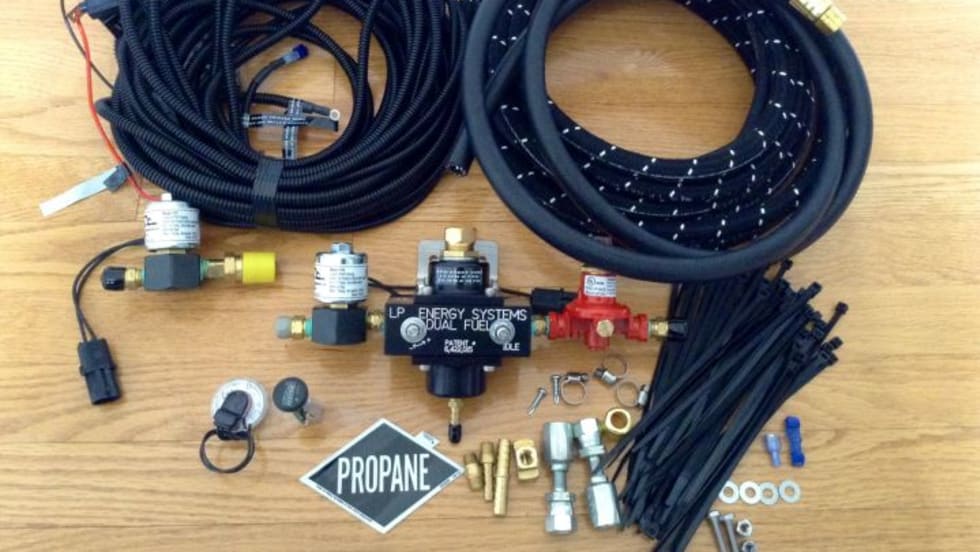
LP Energy Systems has introduced its Dual Fuel System for diesel and gasoline engines that improves fuel economy while reducing harmful emissions. The system injects propane vapor into the fuel mixture.
Read More →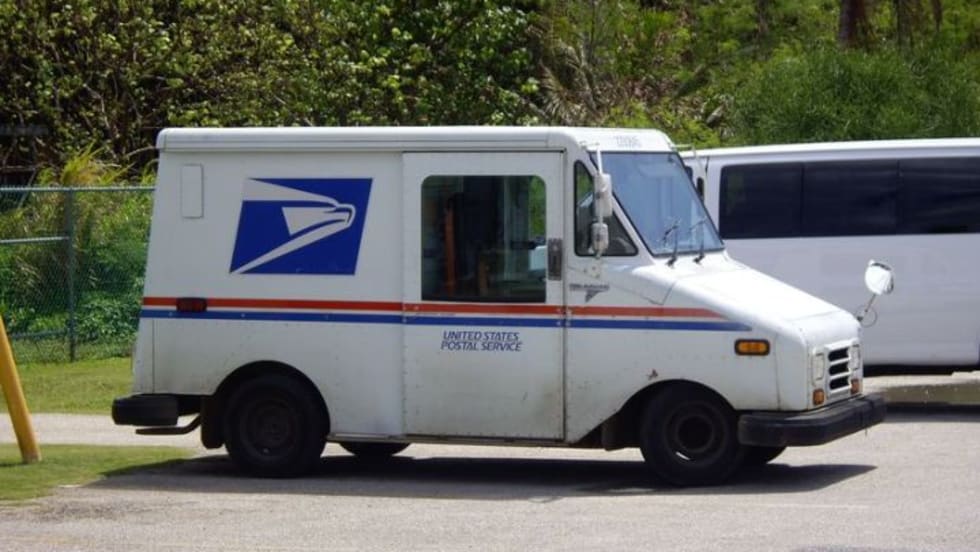
MOUNDRIDGE, KS – The Grasshopper Company, manufacturer of commercial zero-turn riding mowers, announces a new online tool designed to calculate fuel costs and impacts of commercial mowing equipment.
Read More →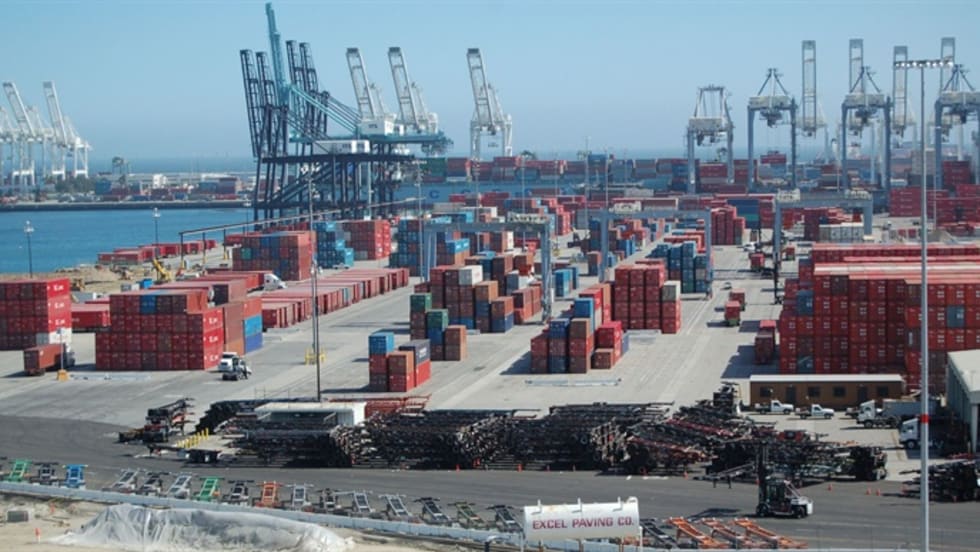


SCOTTS VALLEY, CA - The Scotts Valley Police Department became the first law enforcement agency in California to accept delivery of a Zero DS electric motorcycle to assist in local patrols and traffic enforcement.
Read More →COLUMBUS, OH - Nine fleets, eight of which are in the public sector, have partnered with the Ohio Environmental Council (OEC) to retrofit vehicles with diesel oxidation catalysts (DOCs). The retrofits are made possible by a grant from the U.S. EPA, designed to clean up diesel fleets in Ohio.
Read More →JEFFERSON CITY, MO - The Missouri Department of Natural Resources recently received a $1,872,739 grant from the U.S. Environmental Protection Agency to fund several diesel emission reduction projects throughout the state.
Read More →PITTSBURGH - Switching fleet vehicles to four-cylinder models is just one part of a recommended strategy to help decrease the county government's overall carbon emissions, energy consumption, and water usage by 20 percent by 2015.
Read More →A federal bill introduced in late January would authorize the U.S. Postal Service to use energy savings performance contracts to improve the efficiency of its fleet of delivery vehicles.
Read More →LONG BEACH, CA - Port of Long Beach staff members discussed environmental initiatives under the Clean Air Action Plan.
Read More →SAINT PAUL, MN - Mayor Christopher Coleman unveiled the newest addition to Saint Paul's vehicle fleet, the all-electric Ford Transit Connect, on Jan 18. The vehicle will be used in the Parks and Recreation department.
Read More →SACRAMENTO, CA - The Sacramento Metropolitan AQMD in cooperation with the Yolo-Solano AQMD and the Sacramento Clean Cities Coalition will host a workshop to present new clean diesel technologies on Friday, April 22.
Read More →