


 MENU
MENU SEARCHMENUSEARCH
Loading data...

An audit of the City of San Diego, Calif., vehicle acquisition process found that the fleet department can make vehicle acquisition more efficient.
Read More →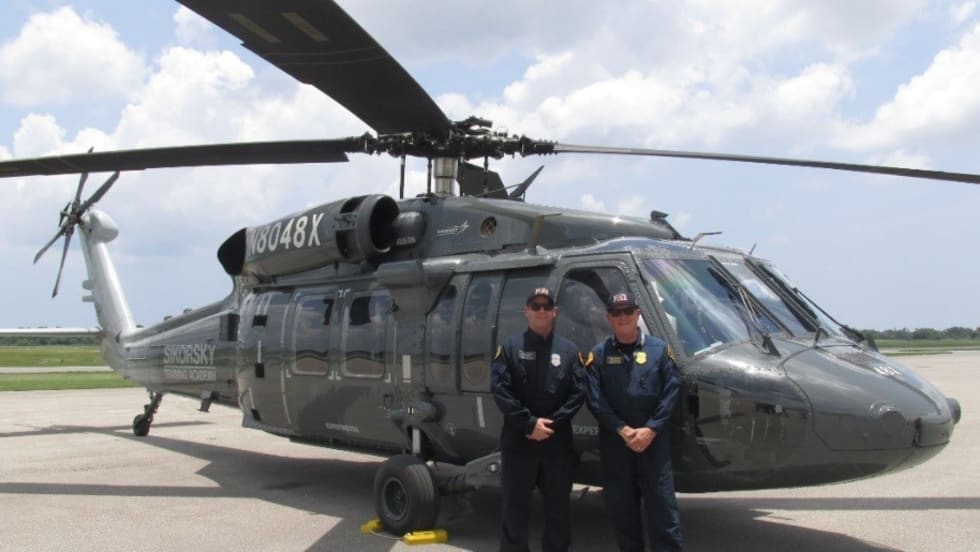
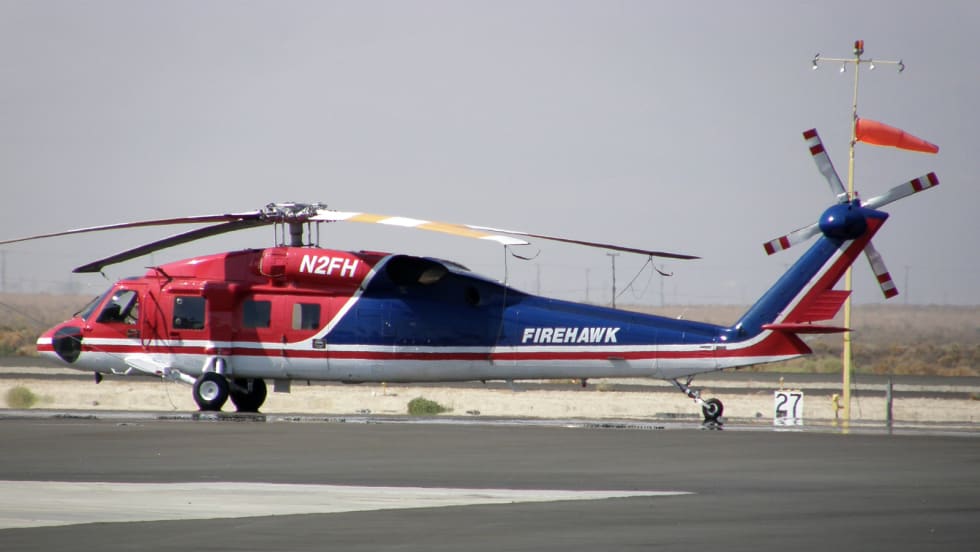
The City of San Diego (Calif.) has added a S-70 Black Hawk helicopter with the engine power to carry more than four tons of water.
Read More →The San Diego (Calif.) City Council approved the purchase of a helicopter for its Fire Rescue Department, as well as the construction of a 30,000-square-foot, $12 million hangar.
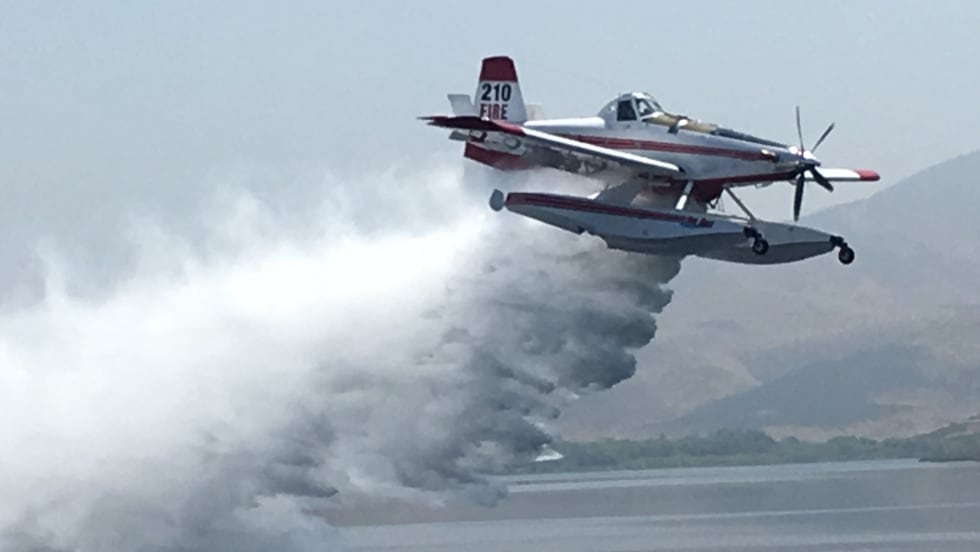
Read More →The City of San Diego, Calif., is testing a single engine air tanker to combat wildfires. The Fire Boss is an amphibious, fixed-wing aircraft that can carry up to 800 gallons of water.
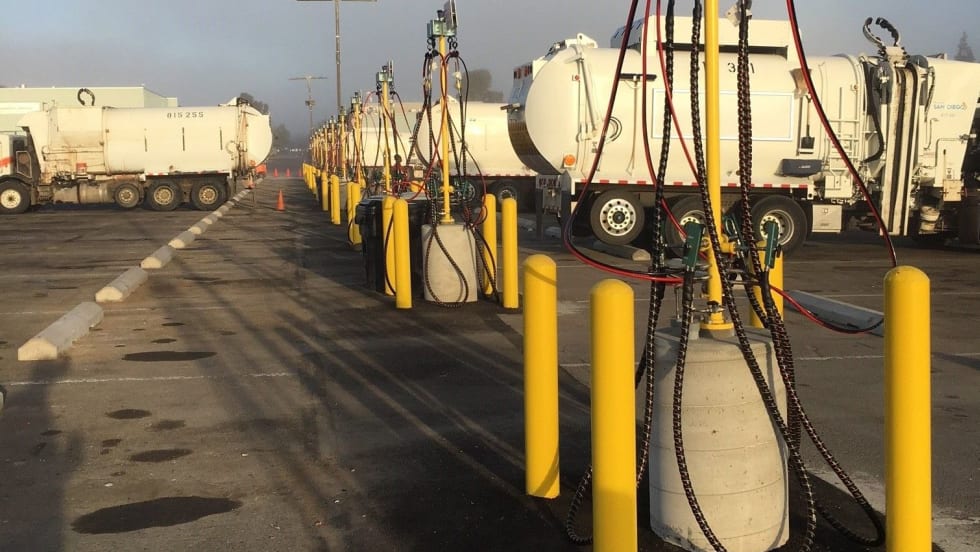
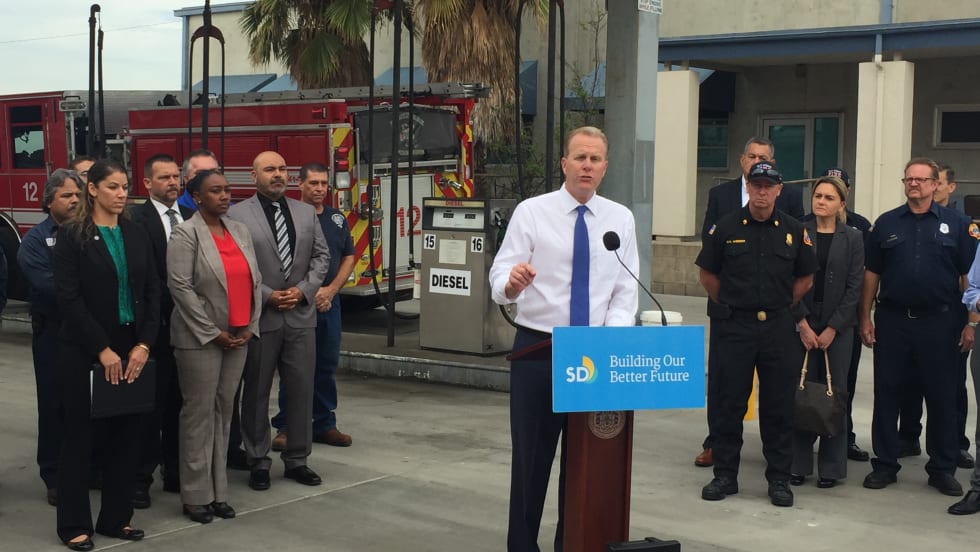
Read More →The City of San Diego, Calif., completed the second phase of construction on a new compressed natural gas (CNG) fueling station as part of its goal to switch its entire fleet of diesel refuse trucks to run on CNG.
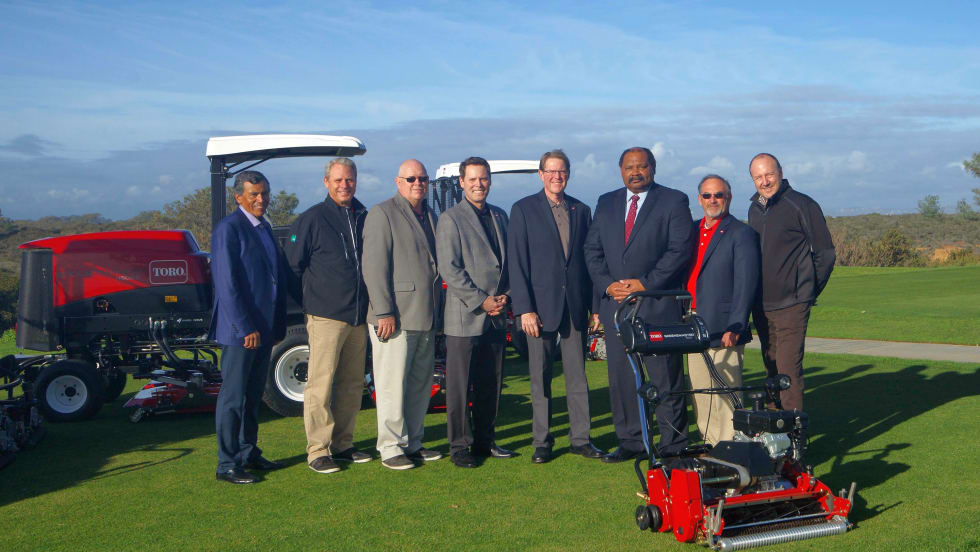
Read More →The City of San Diego and Torrey Pines Golf Course have finalized an exclusive 12-year equipment and tournament support agreement with The Toro Company. The multi-year agreement is capped at $14 million.
Read More →The City of San Diego has joined the growing list of West Coast fleets making the switch to renewable diesel. 900 of the city's heavy- and medium-duty vehicles will run on renewable diesel to start, including refuse trucks, construction equipment, and street sweepers.
Read More →San Diego County, Calif., is moving toward procuring electric vehicles (EVs) and using renewable diesel, while the City of San Diego is determining which vehicles can be replaced by EVs, fleet professionals said at a recent vehicle expo.
Read More →The City of San Diego has begun using a $16-million reserve fund to immediately replace aging fleet vehicles that have been deemed 'critical,' and will consider leasing, financing, and other funding options to close its replacement backlog.
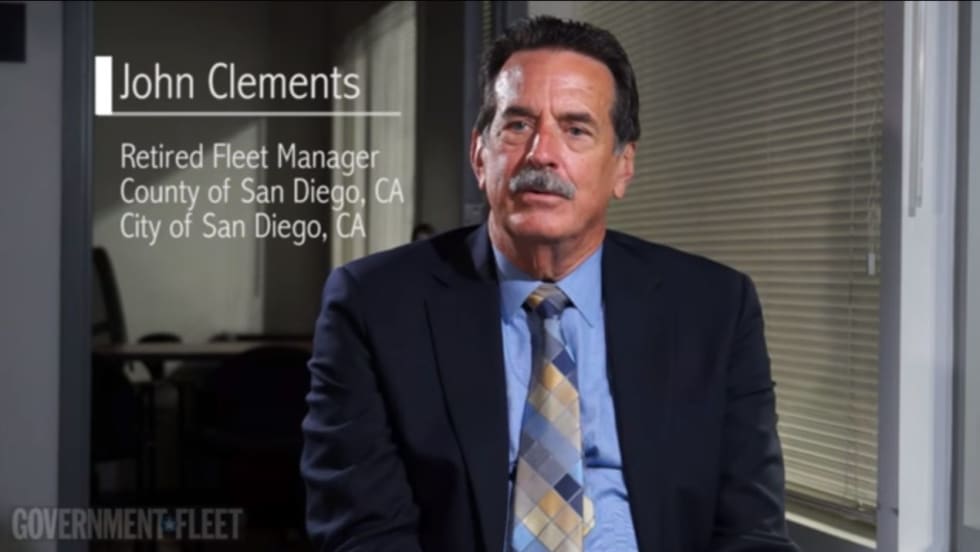
Read More →In Government Fleet’s Knowledge Sharing video series, John Clements, retired fleet manager, discusses changing vehicle technologies, lack of funding, motivating employees, and trying to do too much.
Read More →