


 MENU
MENU SEARCHMENUSEARCH
Loading data...
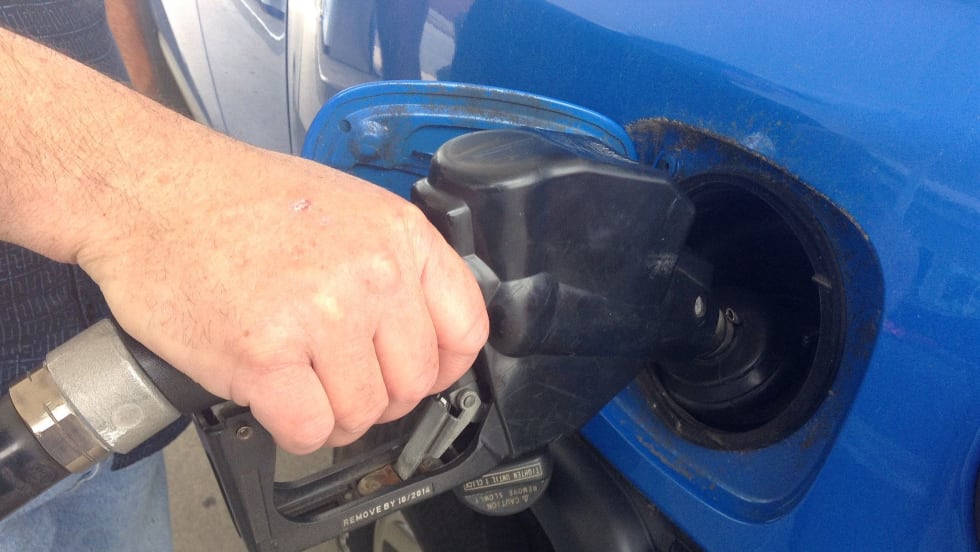
Federal workers have illegally purchased more than $2.4 million worth of gasoline since 2010 using fleet gas cards.
Read More →
The federal government can now retrofit its fleet vehicles to support the Internet of Things to connect to their vehicles and obtain telematics and other information that's viewable through an iPad mini.
Read More →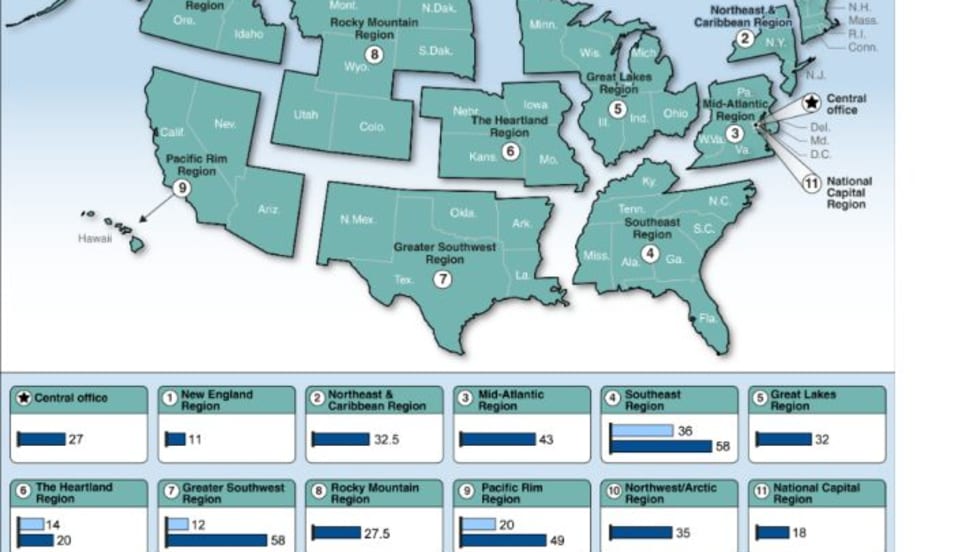
The New York Police Department has been towing public safety fleet vehicles, especially FBI cars, in the past few years, rather than allowing latitude for parking violations as it did in prior years.
Read More →

The 42-vehicle fleet is the Department of Defense’s first non-tactical vehicle fleet composed entirely of plug-in electric vehicles.
Read More →The U.S. General Services Administration (GSA) should expand its support for telematics in leased vehicles and change its fuel rate structure to charge agencies for actual fuel use rather than miles traveled, according to a report released by the U.S. Government Accountability Office (GAO).
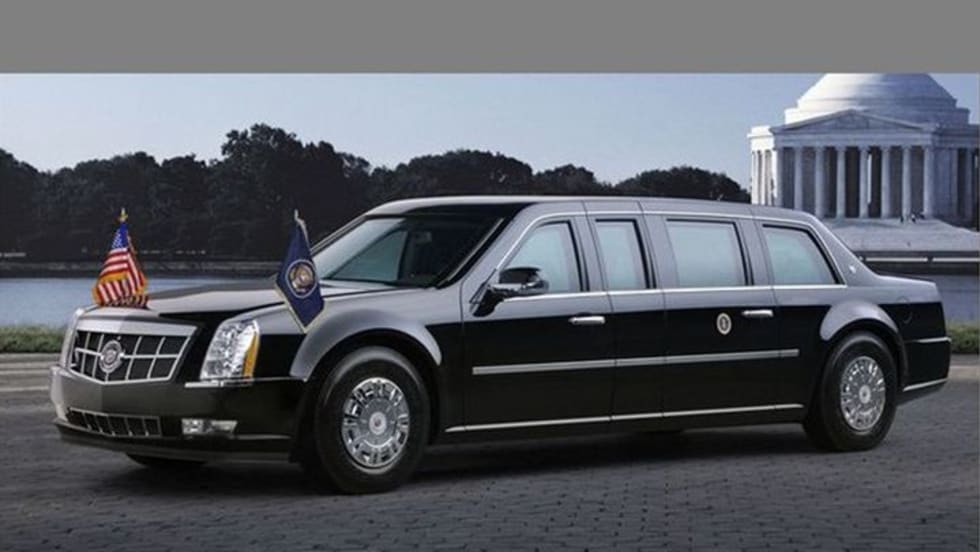
Read More →The next President of the United States is getting a new presidential limousine. The project just needs a contractor.
Read More →The Federal Fleet Management Handbook provides best practices and strategies for meeting requirements related to reducing petroleum consumption and greenhouse gas emissions, using alt-fuel, and acquiring alt-fuel vehicles.
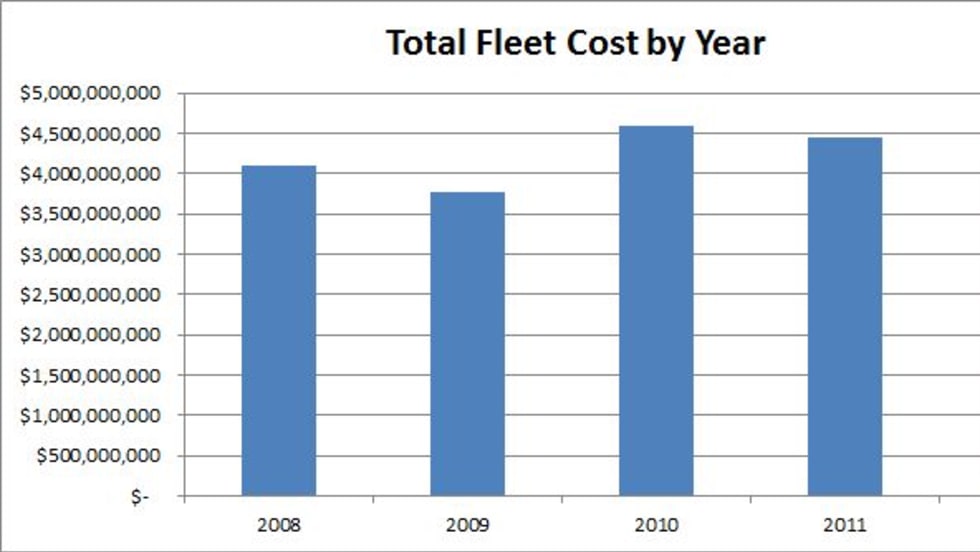
Read More →Federal agencies reduced their fleet costs by $88 million in fiscal-year 2012, a 1.98% decrease over FY-2011 levels. A 10,000-vehicle reduction helped contribute to the reduced fleet costs.
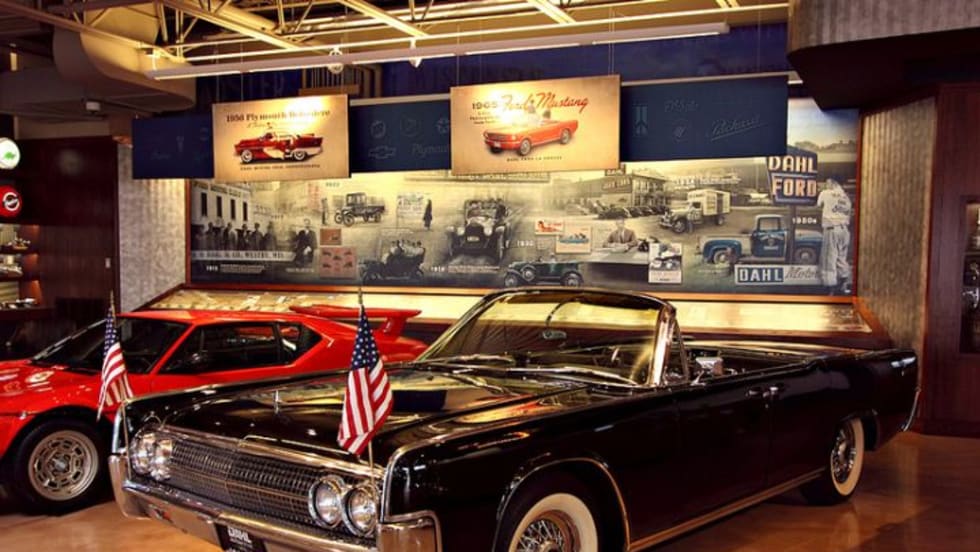
Read More →President John F. Kennedy's midnight blue Lincoln Continental limousine remained in the Presidential motorcade for another 13 years, after his assassination in Dallas on Nov. 22, 1963.
Read More →The federal General Services Administration (GSA) is looking to incorporate car sharing government-wide in order to reduce the federal fleet size over time. This initiative includes the launch of a car-sharing pilot program in Washington, D.C.; Boston; New York City; and Chicago.
Read More →