


 MENU
MENU SEARCHMENUSEARCH
Loading data...
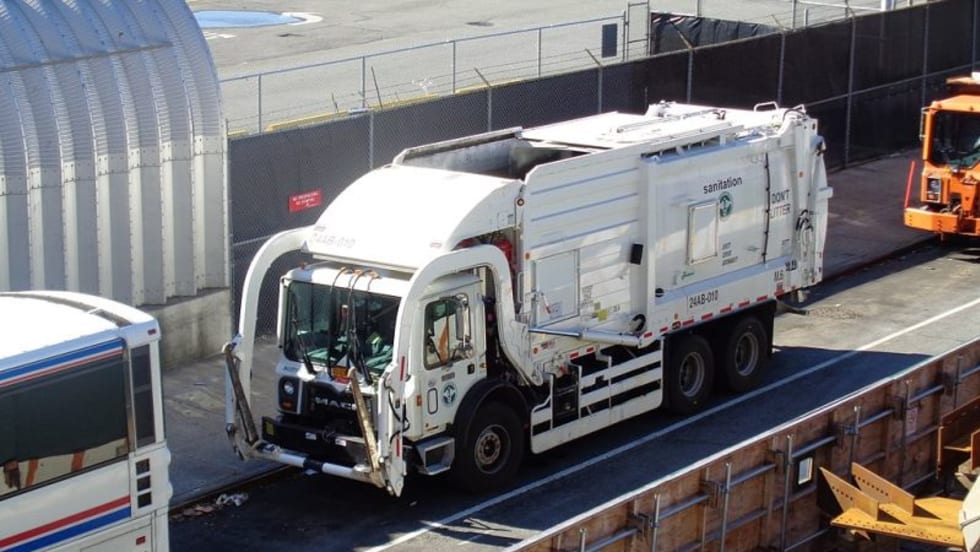
The New York City Council’s Progressive Caucus noted the surface transit fleet and city fleets could adopt renewable natural gas to support clean air goals.
Read More →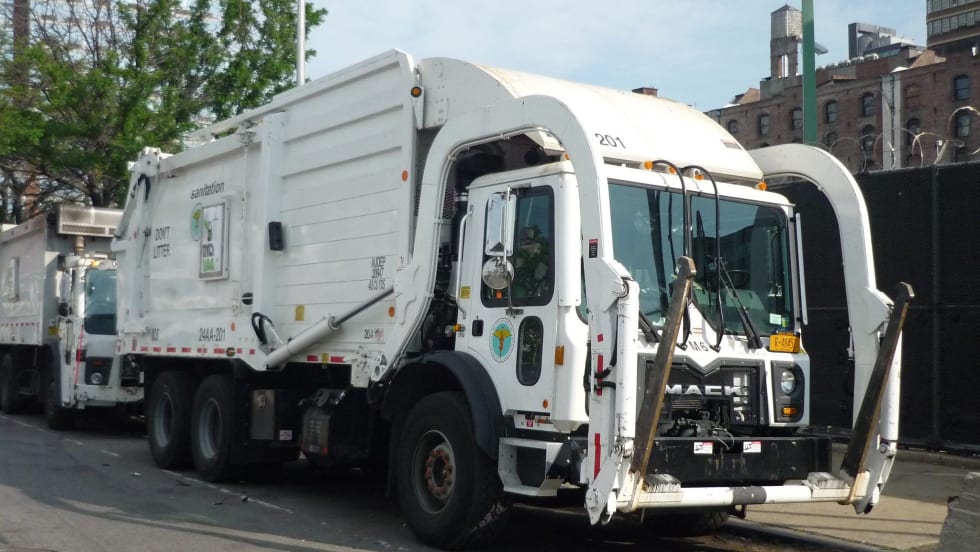
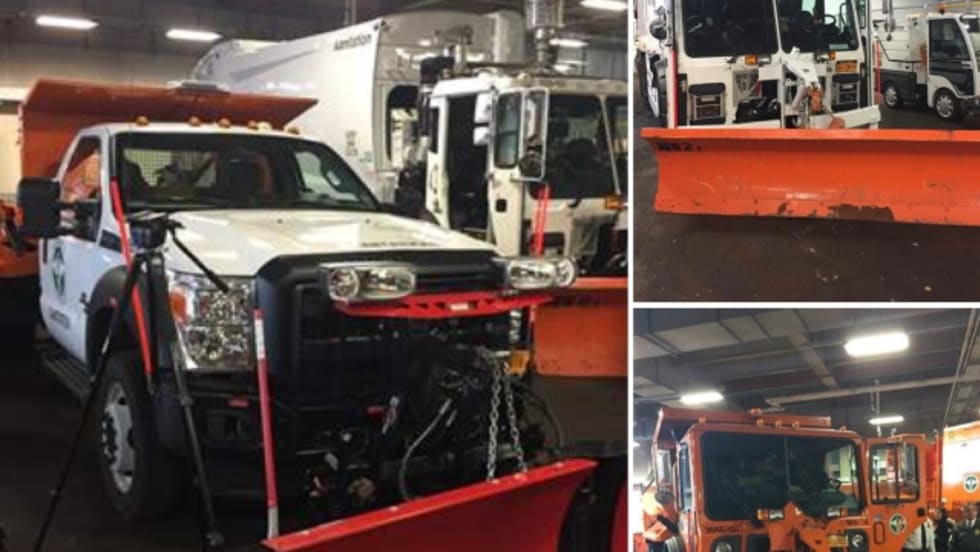


New York City will begin using renewable diesel, a low-emission, 99% petroleum-free fuel, to power more than 1,000 city government vehicles, including many sanitation trucks.
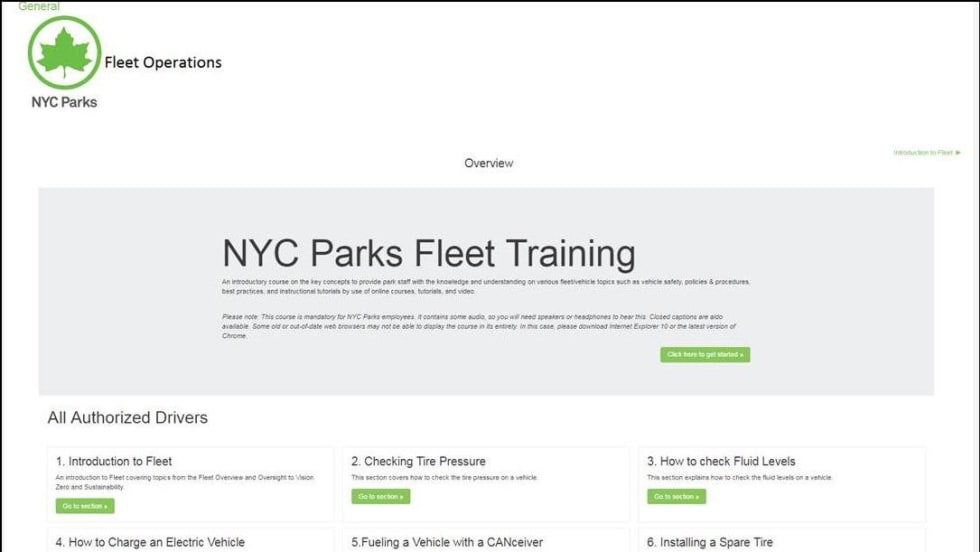
Read More →New York City's Parks Department will roll out a new online fleet training program for drivers in May. The program allows the department to administer, track, and deliver fleet-related courses through a software application.
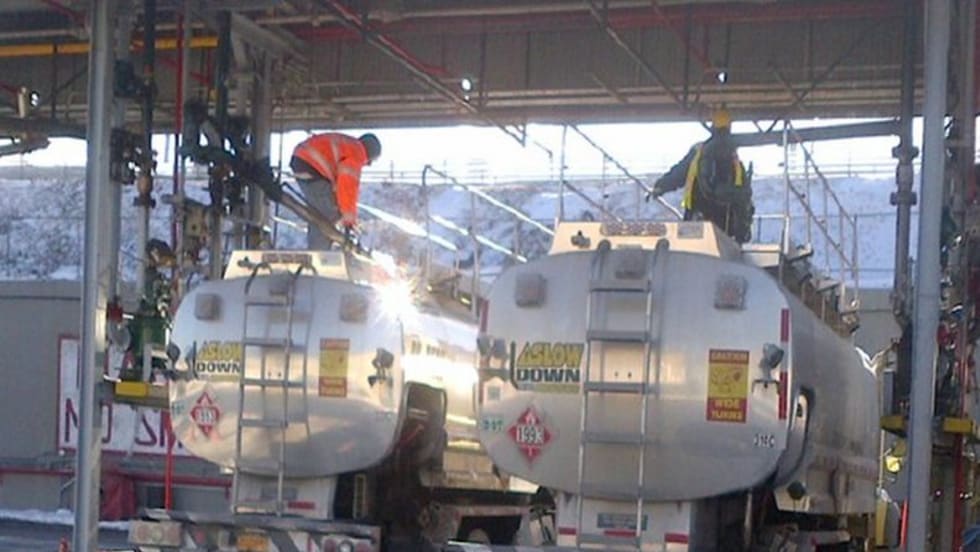
Read More →Due to the extended cold spell, the winter storm, and the requirement for facilities to use backup oil tanks, New York City agencies used their fuel trucks to ensure schools had heat and emergency vehicles had fuel.
Read More →As the first of the winter snow storms move into the Eastern Seaboard, Magellan is announcing that its Return to Route navigation solution has been selected by the New York City Department of Sanitation (DSNY) for deployment across its entire fleet of salt spreading vehicles, which include the boroughs of Manhattan, Queens, Brooklyn, Bronx, and Staten Island.
Read More →New York City has promoted three employees to various fleet management roles at three departments. Two of them transition out of the New York City Police Department fleet.
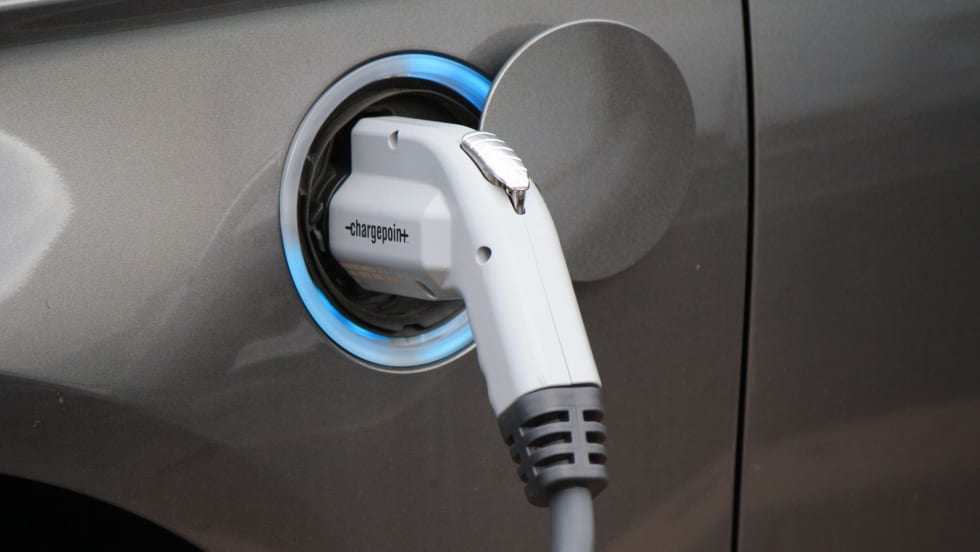
Read More →By enrolling in Con Edison’s SmartCharge New York Program, New York City expects to save up to $150,000 per year for charging its 1,030 electric vehicles overnight.
Read More →New York City Mayor Bill de Blasio's Office released its annual Mayor's Management Report. Fleet expenditures are rising and, although safety training has increased, it continues to be a concern.
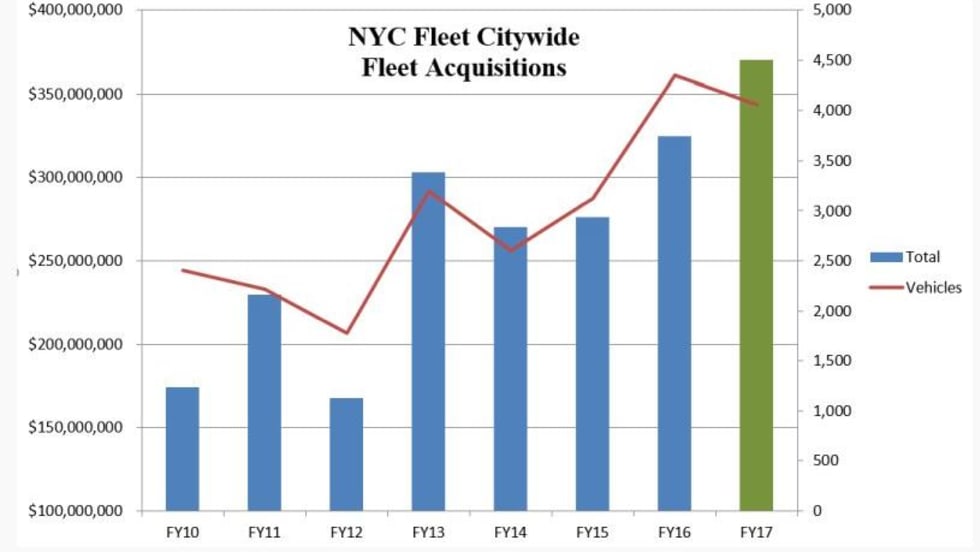
Read More →In fiscal-year 2017, New York City spent more on fleet procurement than it ever had in city history, with fleet purchases totaling $370 million. In the last four years, the city has spent $1.24 billion in new vehicles and equipment.
Read More →New York City has reported that the first six months of 2017 marked the lowest number of traffic-related fatalities on city streets ever measured. Fleet-related fatalities have also decreased since the city began its Vision Zero initiative.
Read More →