




Zipcar, Flexcar to Merge Car Sharing Businesses
SAN FRANCISCO – Zipcar and Flexcar, the two largest and only nationwide car sharing companies, are merging. The new company will operate under the Zipcar brand and use its technology.
SAN FRANCISCO – Zipcar and Flexcar, the two largest and only nationwide car sharing companies, are merging. The new company will operate under the Zipcar brand and use its technology.
Car sharing businesses charge membership fees for round-the-clock access to fleets of vehicles spread across metropolitan areas. Members pay hourly, and sometimes per-mile, rates when they drive the cars. Gasoline and insurance are covered in the price.
While the effects of the merger are uncertain, company officials, industry experts, and members said the move could help expand the practice of car sharing.
City CarShare, a nonprofit group, brought car sharing to the Bay Area in 2001, and the two for-profit companies followed four years later. City CarShare has 15,000 Bay Area members who share 230 vehicles; Zipcar has 12,000 members using a fleet of 430, according to company officials. Flexcar membership figures were not available, but the company has a fleet of 200 vehicles in the Bay Area.
Flexcar and Zipcar members said their concerns over shrinking competition would be outweighed by the increased access to cars — both in the Bay Area and in other cities served by the merged company.
More Operations
What Can Disappear After a Fleet Crash?
This week, we look at drone footage, what fleets should document before repairs begin, and share a quick poll.
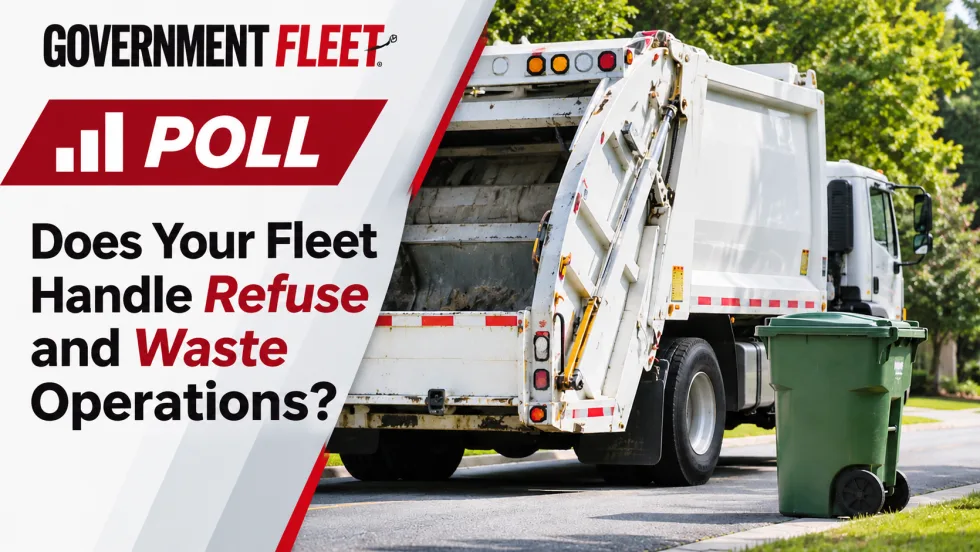
Does Your Government Fleet Handle Refuse and Waste Operations? Take Our Poll
Government Fleet wants to hear from public-sector fleet professionals about their responsibilities for refuse collection and waste management equipment.
Fleet Replacement Decisions, Waste Fleet Technology and the GFX Deadline
Is your next vehicle the right fit, can your records settle a missed pickup dispute, and what could your fleet teach others at GFX 2027?
Is Delaying Fleet Replacement Really Saving Money?
Could delaying replacement cost your fleet more than it saves? This week’s recap takes a closer look, plus an update on GFX 2027.

What Government Fleets Are Missing About Their True Costs
What are fleet budgets missing, and how can agencies use the data they already collect to make a stronger case for change?
Rethinking Fleet Decisions From the Budget Office to the Shop
This October we looked back at how public fleets are reconsidering familiar processes and using what they learn to make better decisions.
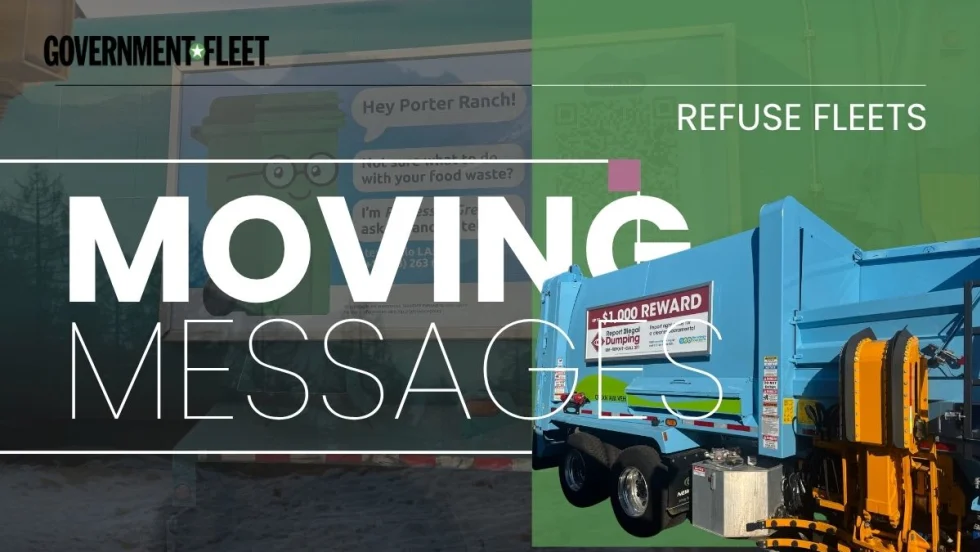
Who Owns the Message on a Refuse Truck?
Refuse trucks can carry public messages into neighborhoods, but keeping those messages current takes planning and clear responsibility.
Who Deserves Fleet Recognition and What Could You Teach at GFX?
Who helped shape your fleet career, and what have you learned that could help someone else?

What’s Haunting Public Sector Fleets?
Public sector fleet challenges rarely happen in isolation, and addressing one often means understanding how it connects to another.

Is Keeping Older Fleet Vehicles Really Saving Money?
Is keeping vehicles longer saving money, and what happens when a diagnostic test points to the wrong fix?