





Similar Content: ASE Adds 5 Military Certification Tests
XL Fleet to Pilot Fuel-Saving Tech for Department of Defense
The program is part of a future contract opportunity to leverage the hybrid conversion technology for tens of thousands of vehicles in military applications.
November 23, 2021
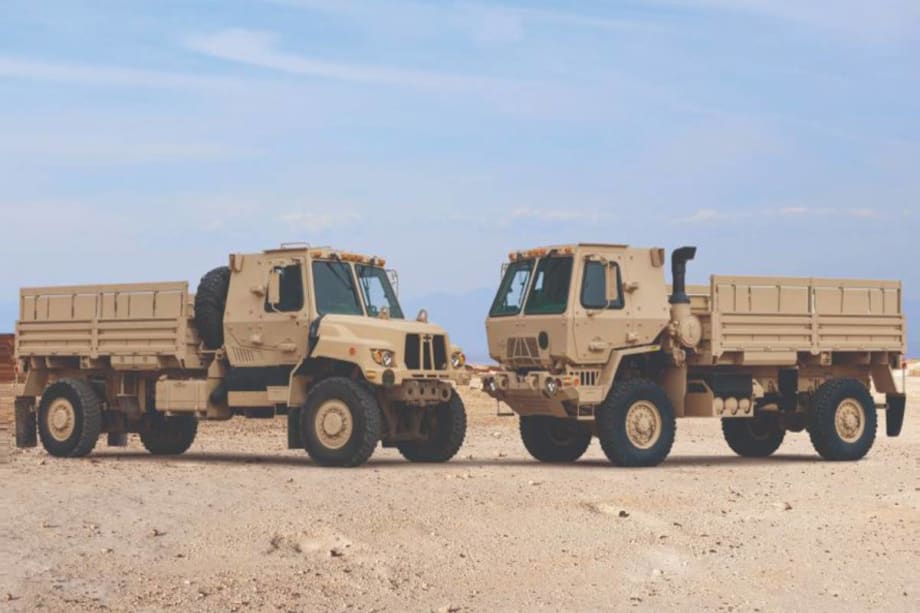
The program is part of a future contract opportunity to leverage the hybrid conversion technology for tens of thousands of vehicles in a variety of U.S. military applications.
Photo: XL Fleet
2 min to read
XL Fleet announced it was awarded a contract by the Defense Innovation Unit and the U.S. Army’s Project Manager Transportation Systems (PMTS) to prototype a fuel-saving technology for military vehicles. After earning the opportunity through a competitive bidding process, XL Fleet is one of two companies awarded a contract to develop a pilot technology project over the course of the next year. This technology has the potential to be applied to tens of thousands of existing vehicles across a wide range of military applications. The pilot program began on October 1, 2021, and will run for 13 months.
XL Fleet’s contract is a part of the Department of Defense’s ongoing efforts to address some key fuel-saving efforts for its fleet of more than a quarter million military tactical vehicles. As these vehicles spend more than half of their operational time idling, they currently require significant amounts of fuel to run onboard electric power systems and to maintain cabin climate control. This reduces vehicles’ range, creates significant costs, and increases thermal and acoustic signatures of the vehicles, putting them at greater risk of detection in the field. Additionally, by enhancing fuel efficiency and limiting the amount of fuel consumed by its vehicles, the U.S. military can significantly reduce the logistical and transportation requirements of its fuel supply chain – a key source of logistical complexity and safety risk to personnel.
As part of the Department of Defense pilot program, XL Fleet is currently developing a retrofit idle reduction technology for use in medium tactical vehicles, the U.S. Army's standard two-and-a-half to 10-ton trucks. The hybrid conversion kits would be delivered to the Department of Defense for installation by soldiers on vehicles in the military fleet. The Program Executive Office for Combat Support & Combat Service Support, which includes PMTS, has expressed this program may be a step toward further hybridization and electrification efforts, as the U.S. military moves toward sustainable energy solutions to extend the operational range of its tactical vehicle fleet.
More Green Fleet
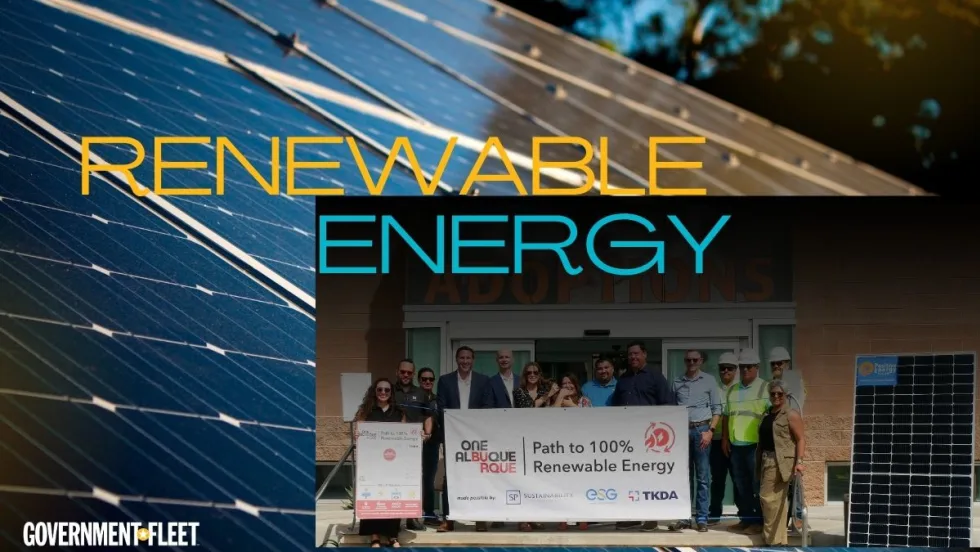
Sustainability Partners, Energy Systems Group Help Albuquerque Close the Gap on its 100% Renewable Energy Goal
The eight-site, 6 MW solar project has advanced the city toward 100% renewable energy for municipal operations.
Read More →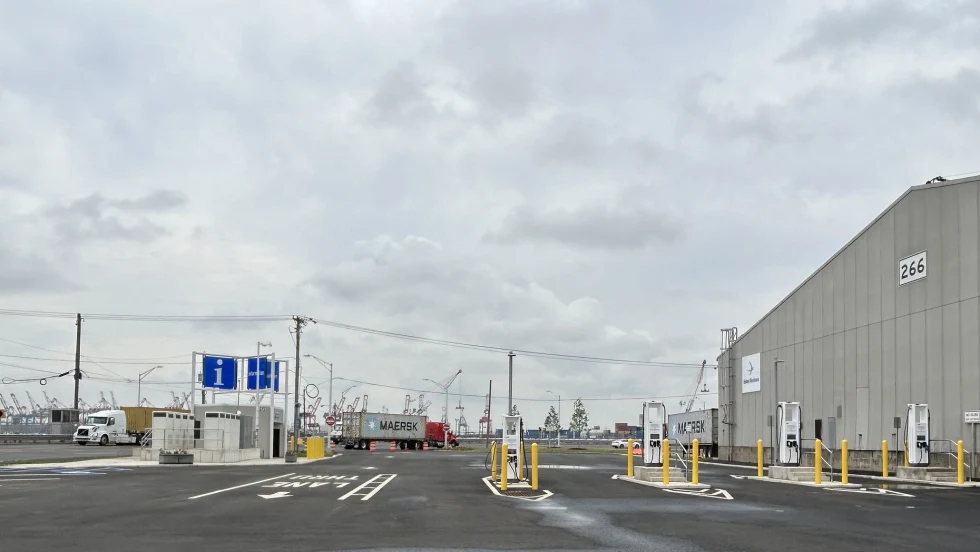
Port Authority and CALSTART Launch $45 Million Electric Truck and Charging Programs
The programs aim to boost sustainable operations across the East Coast's busiest seaport.
Read More →
Moving Government Fleets Beyond the Vehicle Purchase: EV as a Service
A discussion on how EVaaS is moving beyond pilot programs and what fleets should consider before beginning a larger deployment.
Read More →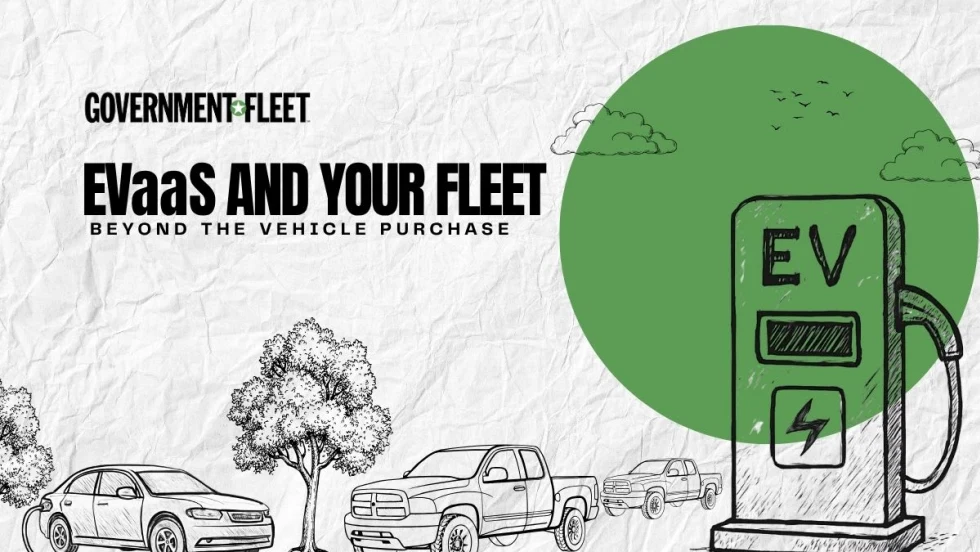
Moving Government Fleets Beyond the Vehicle Purchase: EV as a Service
As fleets move beyond small EV pilots, Sustainability Partners CEO Adam Cain explains how EVaaS can address the infrastructure and long-term planning required for larger deployments.
Read More →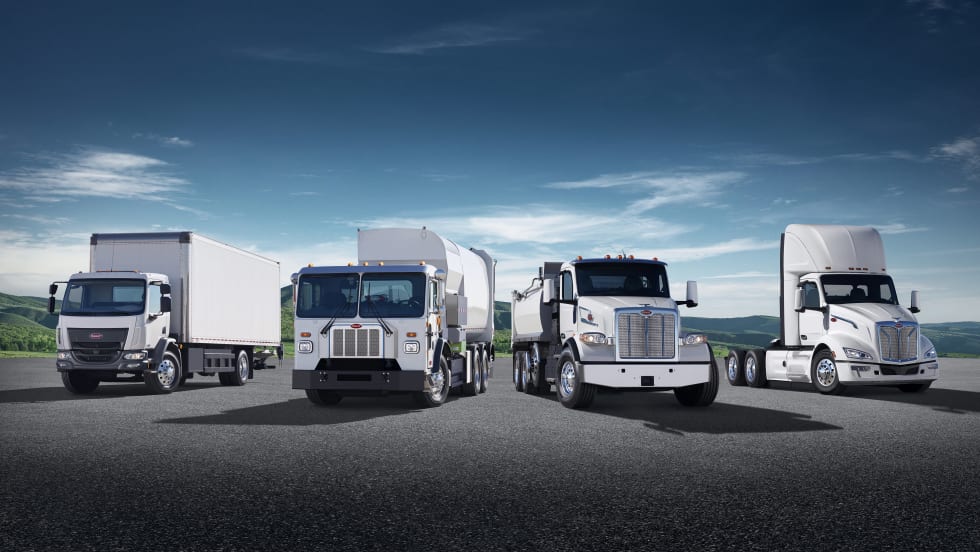
Peterbilt Expands Sourcewell Partnership with Electric Vehicle Lineup
The agreement aims to provide streamlined procurement of Peterbilt trucks for government, education, nonprofit and tribal organizations across the United States and Canada.
Read More →
EV Adoption & Charging Challenges
Where is your fleet in the journey of vehicle electrification? If you're still looking for answers to fleet electrification you've come to the right place.
Read More →
Hawaii Passes Clean Fuel Policy
Hawaii lawmakers passed clean fuel legislation that could support renewable natural gas production, biogas-powered transportation, and lower-carbon fueling options for public and commercial fleets.
Read More →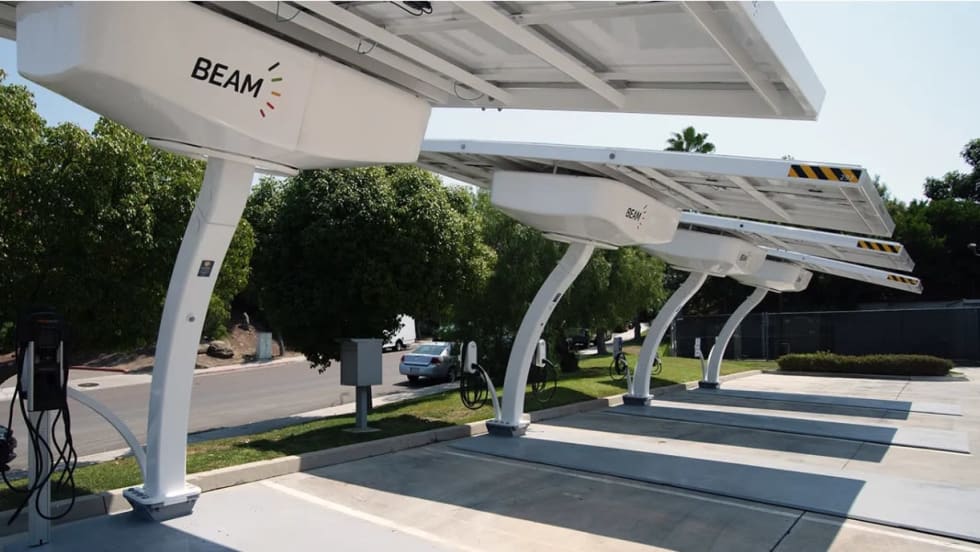
Stanislaus County Deploys Ten Beam Global EV ARC Systems to Support County Fleet Electrification
Stanislaus County deployed 10 off-grid solar-powered EV charging systems and a mobile charging trailer from Beam Global to support its electric fleet operations and emergency response flexibility.
Read More →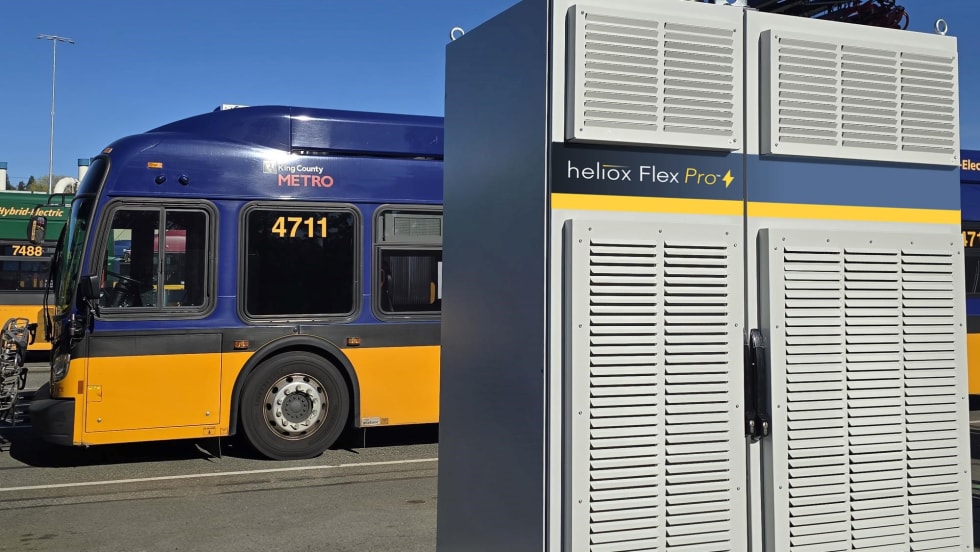
Heliox Pilots 480-kW Bus Charger with King County Metro
King County Metro is piloting Heliox’s new 480-kW Flex Pro charger to support expansion of its battery-electric bus fleet and depot charging infrastructure. The compact charging system supports pantograph and plug-in charging configurations for high-density transit operations.
Read More →