





Related Content: Navigating the Switch to EVs
Wisconsin City Moves Toward Full Fleet Electrification
Milwaukee is now moving ahead with the majority of future city fleet purchases being low- or zero-emission vehicles.
April 4, 2023
The Milwaukee Common Council passed an ordinance calling for additional fleet electrification during a March 21 meeting.
Photo: Canva/City of Milwaukee
2 min to read
Fleet electrification is not done in one fell swoop. Rather, it's done with careful planning and, in most cases, with the knowledge that electric vehicles (EVs) will slowly become integrated into a fleet when available.
The city of Milwaukee, Wisconsin is an example of that kind of long-term planning for transitioning a fleet. On Tuesday, March 21, the Milwaukee Common Council approved an ordinance that would cement the transition of the fleet from gas vehicles to electric.
The ordinance, introduced by Alderwoman Marina Dimitrijevic in early March, directs future city vehicle purchasing, "to the greatest extent practicable," be low- or zero-emission. The goal is to eventually replace city-owned vehicles with those that operate with cleaner, sustainable alternative fuels.
As part of the Milwaukee Climate and Equity Plan, the city is looking to reduce community greenhouse gas emissions 45% by 2030 and achieve net zero emissions by 2050.
Milwaukee has already placed 14 electric cars in service over the last two years, and is looking to increase the number of electric vehicles with each budget cycle, according to Jeffrey Tews, CPFP, interim fleet services manager for the city.
At the end of 2022 the city added four new Ford Mustang Mach-E vehicles to be used for the city's parking enforcement unit, according to WUWM.
While the ordinance primarily covers electric vehicles it also promotes hybrids and other alternative fueled vehicles if electric versions are not available or economically feasible to purchase. One example is CNG powered refuse trucks, which make up over half of Milwaukee’s refuse truck fleet.
Tews noted that Milwaukee will continue to purchase electric vehicles when opportunities arise, and supplement with hybrids and CNG vehicles until electric versions of more vehicle types become prevalent.
As with most changes in fleet, other factors need to be considered. In this case, infrastructure. Tews explained that Level 2 charging systems are being strategically installed where electric vehicles are currently deployed.
Additional Level 2 and some Level 3 systems are planned for most of the 18 parking facilities for fleet vehicles. The City is also working with a consultant to plan for public/private partnerships to build public access Level 3 charging systems throughout the city which would also be accessible to city vehicles.
More Green Fleet
Sustainability Partners, Energy Systems Group Help Albuquerque Close the Gap on its 100% Renewable Energy Goal
The eight-site, 6 MW solar project has advanced the city toward 100% renewable energy for municipal operations.
Read More →
Port Authority and CALSTART Launch $45 Million Electric Truck and Charging Programs
The programs aim to boost sustainable operations across the East Coast's busiest seaport.
Read More →
Moving Government Fleets Beyond the Vehicle Purchase: EV as a Service
A discussion on how EVaaS is moving beyond pilot programs and what fleets should consider before beginning a larger deployment.
Read More →
Moving Government Fleets Beyond the Vehicle Purchase: EV as a Service
As fleets move beyond small EV pilots, Sustainability Partners CEO Adam Cain explains how EVaaS can address the infrastructure and long-term planning required for larger deployments.
Read More →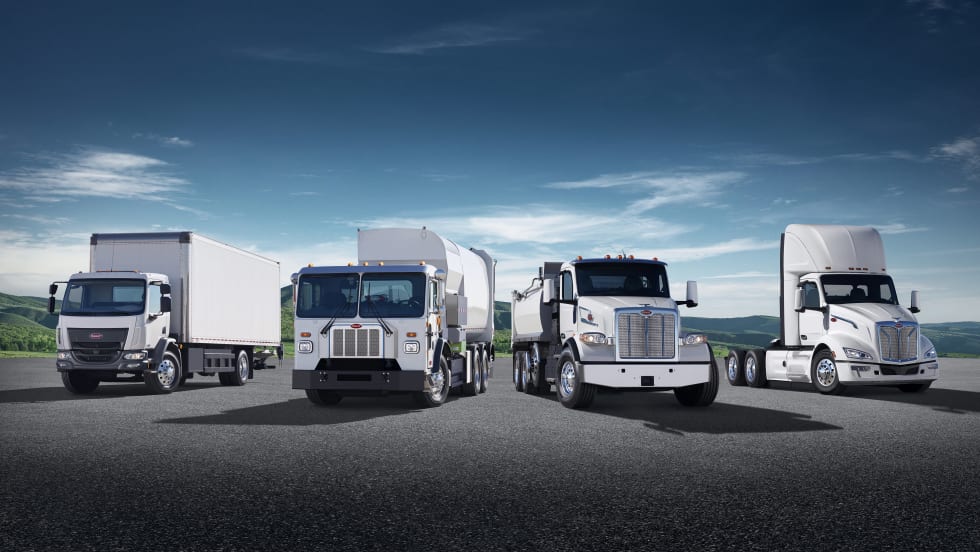
Peterbilt Expands Sourcewell Partnership with Electric Vehicle Lineup
The agreement aims to provide streamlined procurement of Peterbilt trucks for government, education, nonprofit and tribal organizations across the United States and Canada.
Read More →
EV Adoption & Charging Challenges
Where is your fleet in the journey of vehicle electrification? If you're still looking for answers to fleet electrification you've come to the right place.
Read More →
Hawaii Passes Clean Fuel Policy
Hawaii lawmakers passed clean fuel legislation that could support renewable natural gas production, biogas-powered transportation, and lower-carbon fueling options for public and commercial fleets.
Read More →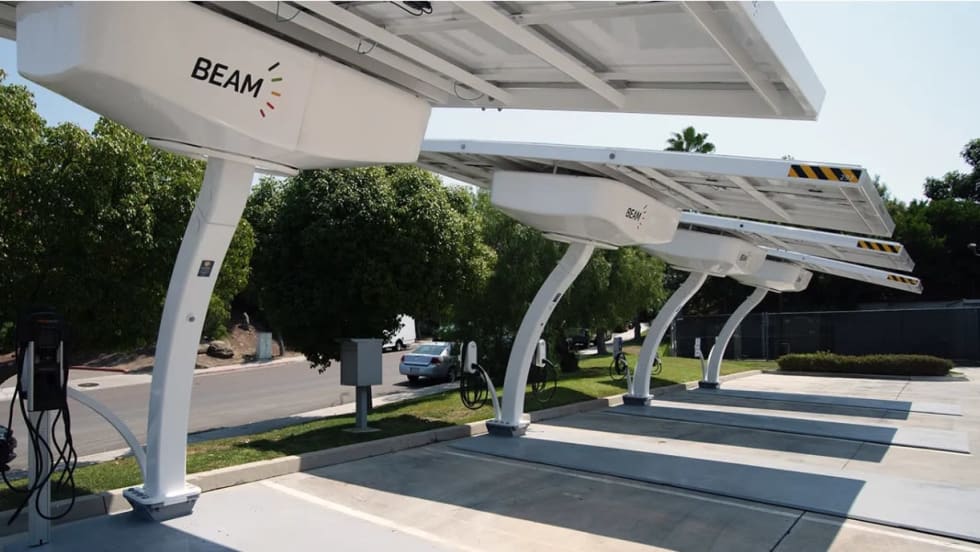
Stanislaus County Deploys Ten Beam Global EV ARC Systems to Support County Fleet Electrification
Stanislaus County deployed 10 off-grid solar-powered EV charging systems and a mobile charging trailer from Beam Global to support its electric fleet operations and emergency response flexibility.
Read More →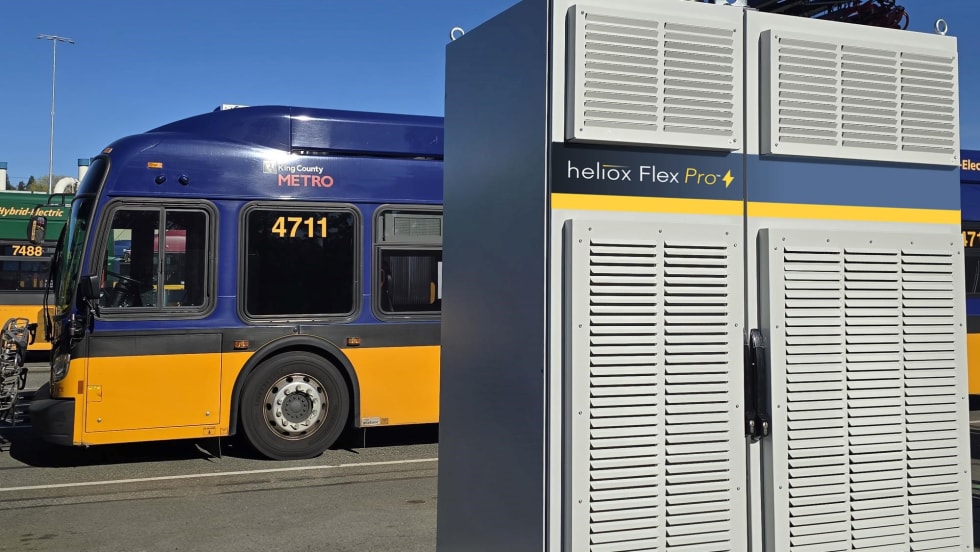
Heliox Pilots 480-kW Bus Charger with King County Metro
King County Metro is piloting Heliox’s new 480-kW Flex Pro charger to support expansion of its battery-electric bus fleet and depot charging infrastructure. The compact charging system supports pantograph and plug-in charging configurations for high-density transit operations.
Read More →