




West Virginia Seeks Bids for Natural Gas Vehicles
CHARLESTON, WV – Bids for the 2013 model-year West Virginia statewide motor vehicle contract will include compressed natural gas (CNG) fueled vehicles.
CHARLESTON, WV – West Virginia Governor Earl Ray Tomblin announced on August 10 that bids for the 2013 model-year statewide motor vehicle contract will include compressed natural gas (CNG) fueled vehicles. This comes as a request from his Natural Gas Vehicle Task Force, created to determine whether it’s feasible to transition the State’s fleet to natural gas as a fuel source and to develop fueling infrastructure for the fleet.
After awarded, this contract will make available 36 different types and sized vehicles for state agencies and local governments in West Virginia. Of the 36 different types and sized vehicles, ten types will be fueled by compressed natural gas, according to a release from the Governor’s Office.
The task force is exploring interest in partnerships with and among natural gas producers, infrastructure developers, vehicle manufacturers, and other industry leaders to expand the natural gas fueling infrastructure in West Virginia.
The contract bid is in the West Virginia Purchasing Bulletin. The Purchasing Division will hold a pre-bid conference August 22, and the bid opening is scheduled for Sept. 6. Additional information is available to prospective bidders and can be obtained by contacting the Purchasing Division at 304-558-4785 or 304-558-2306.
Tomlin is one of several governors who have signed a memorandum of understanding (MOU) in support of developing natural gas as a transportation fuel for use by state-owned vehicles. Other states looking into using natural gas as a tarnsportation fuel include Colorado; Oklahoma; Kentucky; Louisiana; Maine; Mississippi; New Mexico; Ohio; Pennsylvania; Texas; Utah; West Virginia; and Wyoming.
More Green Fleet
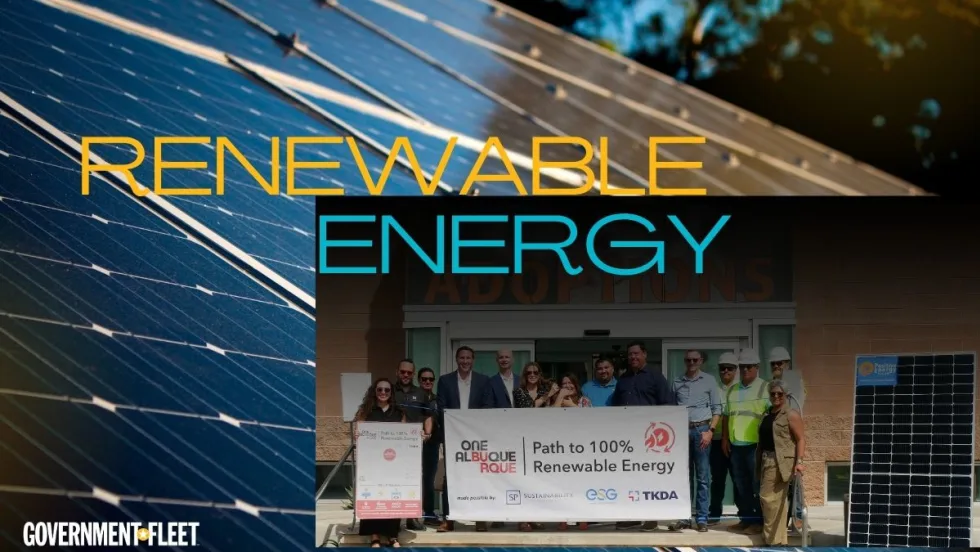
Sustainability Partners, Energy Systems Group Help Albuquerque Close the Gap on its 100% Renewable Energy Goal
The eight-site, 6 MW solar project has advanced the city toward 100% renewable energy for municipal operations.
Read More →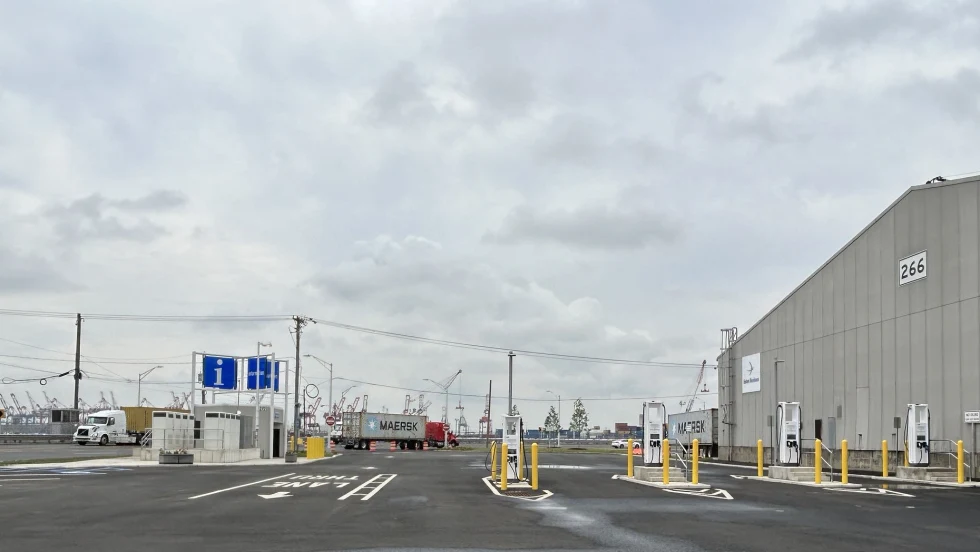
Port Authority and CALSTART Launch $45 Million Electric Truck and Charging Programs
The programs aim to boost sustainable operations across the East Coast's busiest seaport.
Read More →
Moving Government Fleets Beyond the Vehicle Purchase: EV as a Service
A discussion on how EVaaS is moving beyond pilot programs and what fleets should consider before beginning a larger deployment.
Read More →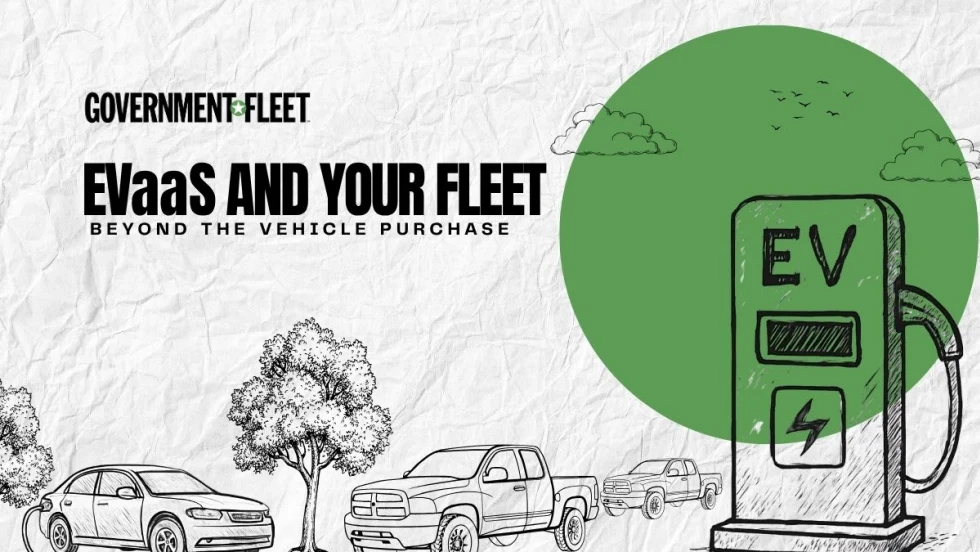
Moving Government Fleets Beyond the Vehicle Purchase: EV as a Service
As fleets move beyond small EV pilots, Sustainability Partners CEO Adam Cain explains how EVaaS can address the infrastructure and long-term planning required for larger deployments.
Read More →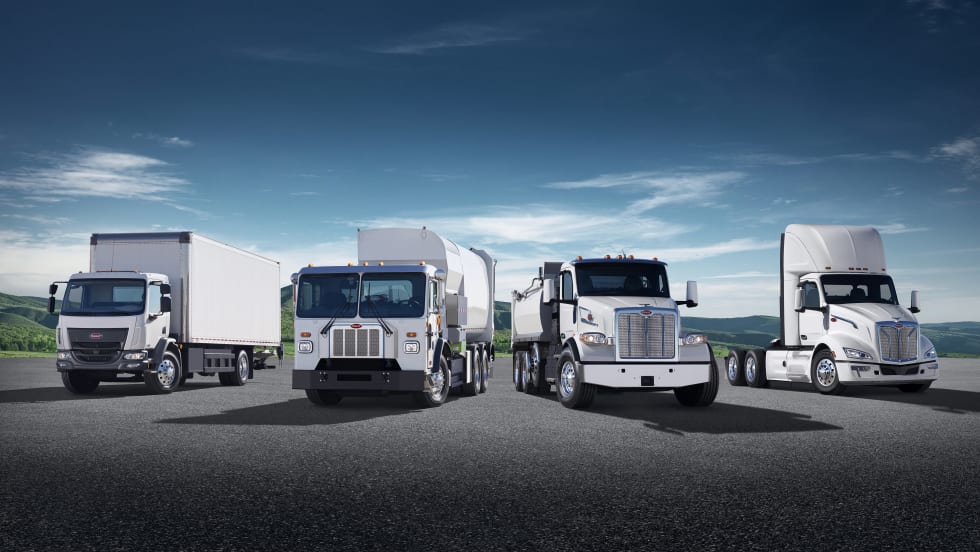
Peterbilt Expands Sourcewell Partnership with Electric Vehicle Lineup
The agreement aims to provide streamlined procurement of Peterbilt trucks for government, education, nonprofit and tribal organizations across the United States and Canada.
Read More →
EV Adoption & Charging Challenges
Where is your fleet in the journey of vehicle electrification? If you're still looking for answers to fleet electrification you've come to the right place.
Read More →
Hawaii Passes Clean Fuel Policy
Hawaii lawmakers passed clean fuel legislation that could support renewable natural gas production, biogas-powered transportation, and lower-carbon fueling options for public and commercial fleets.
Read More →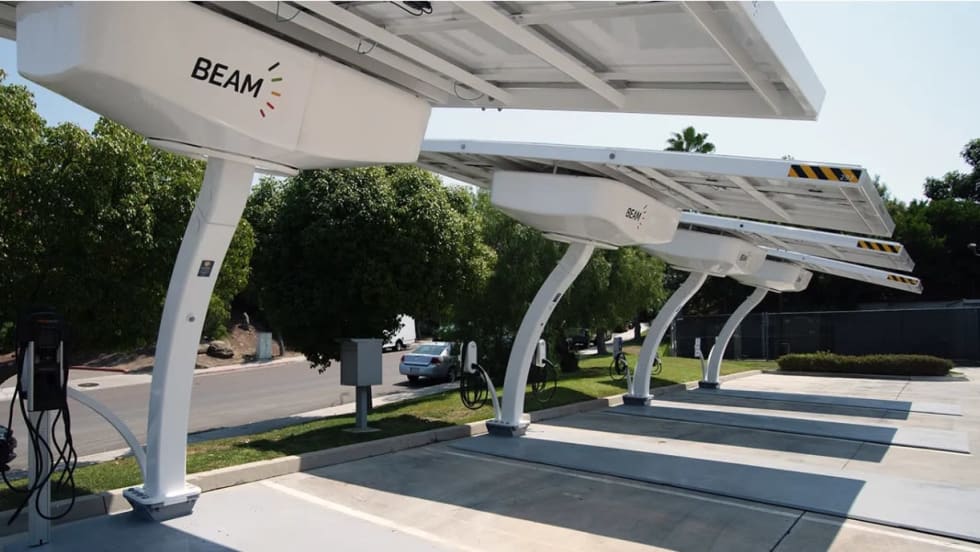
Stanislaus County Deploys Ten Beam Global EV ARC Systems to Support County Fleet Electrification
Stanislaus County deployed 10 off-grid solar-powered EV charging systems and a mobile charging trailer from Beam Global to support its electric fleet operations and emergency response flexibility.
Read More →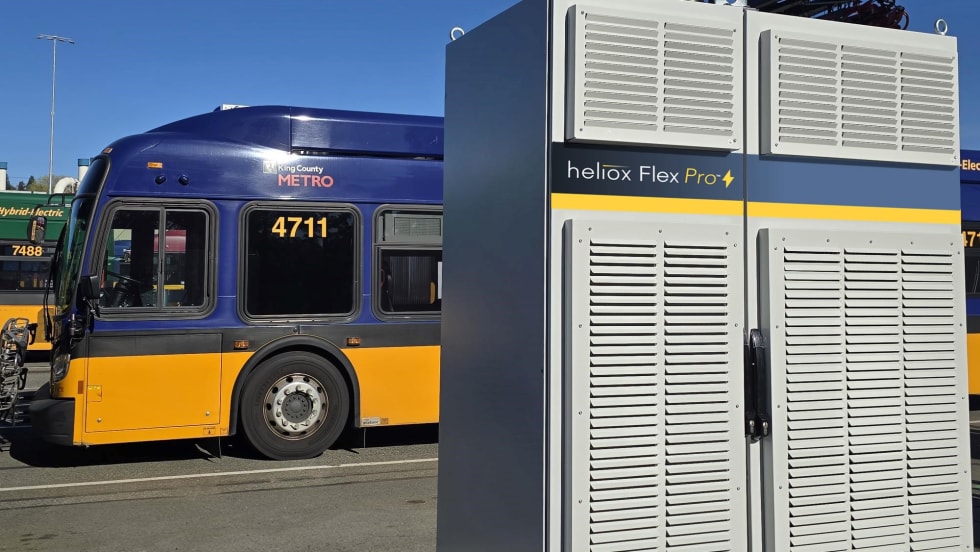
Heliox Pilots 480-kW Bus Charger with King County Metro
King County Metro is piloting Heliox’s new 480-kW Flex Pro charger to support expansion of its battery-electric bus fleet and depot charging infrastructure. The compact charging system supports pantograph and plug-in charging configurations for high-density transit operations.
Read More →