




Washington, N.C. ‘Goes Green’
WASHINGTON, NC - Washington has implemented a green-fleets policy to help combat rising fuel costs.
WASHINGTON, NC - Washington has implemented a green-fleets policy to help combat rising fuel costs, according to the Washington Daily News.
Under the policy, city-owned and operated cars and trucks use alternative fuels and emissions-reduction technologies, when possible and feasible, as part of the city's effort to "go green." The policy should result in lower fuel costs by reducing dependency on high-priced gasoline and diesel fuel through the use of alternatives fuels that are more efficient and environmentally friendly than gasoline or diesel fuel, according to a news release issued by the city.
The policy specifies the procedures departments follow to make sure the city obtains the most energy-efficient, cost-effective, lowest-emission motor vehicles and fuel-using equipment as possible that meet the departments' operational requirements. The policy also mandates that departments manage and operate fleets in a manner that is energy-efficient, cost-effective and minimizes air emissions and other environmental effects.
"I think this is an emerging movement," said Anne Tazewell, transportation program manager for the N.C. Solar Center at N.C. State University, in an interview Thursday.
Tazewell said the green-fleets movement "is in its infancy" when compared to similar "green" movements such as "green buildings." She praised Washington for being "an earlier adapter" in regard to implementing a green-fleets program.
Winston-Salem and Chapel Hill are two other North Carolina municipalities with green-fleet policies, Tazewell said.
Matt Rauschenbach, the city's chief financial officer and assistant city manager, said the city's departments operate vehicle fleets that account for about 42 percent of the city's overall energy bill.
The city's energy bill from June 2008 to May 2009 came to $1.899 million, according to Rauschenbach. It was projected to increase by 3.9 percent to about $1.974 million by May of this year.
Mayor Archie Jennings has directed all city departments to take steps toward improving the energy efficiency of their fleets and reduce emissions from those fleets.
"Improving the energy efficiency of the city fleet will result in significant monetary savings in the long run," Jennings said in the release.
Each year, each department is required to submit a new green-fleets plan. The department that submits the most innovative green-fleets plan will receive an award. The award recipient will be chosen during the annual green-fleets plan review.
To meet policy requirements, the city installed an alternative fueling station at its central fleet-maintenance facility. The new fueling station includes two sources of alternative fuels, B20 and E10.
B20 is an animal-fat or vegetable-oil based diesel fuel.
"In our case, we're using soy oil," Rauschenbach, in an interview this week, said about the type of vegetable oil in its B20 fuel.
The "20" in the B20 designation refers to the amount of biodiesel in the fuel mixture. Thus, fuel containing 20 percent biodiesel is labeled B20. Pure biodiesel is labeled B100.
The city obtains its B20 from a local manufacturer, thus supporting a small business in the area.
The city began using B5 fuel, increasing in 5 percent increments until reaching B20.
E10 is a 10 percent ethanol-based fuel. Ethanol, in its most basic form, is grain alcohol made from crops such as corn.
"Because it is domestically produced, ethanol helps reduce dependency upon foreign oil. The ethanol based fuel has a higher octane rating than gasoline, which allows for more horsepower and torque (Ethanol, 2007). Prior to the adoption of the 'Green Fleets Policy,' many of Washington Police Department's patrol cars were flex-fuel compatible, requiring no new vehicular purchases," reads the release.
The city had been using E85 fuel, but it discovered that using E85 decreased gas mileage in flex-fuel vehicles (mostly in the police department) using E85 from 15 percent to 20 percent, Rauschenbach said.
The U.S. Energy Department, in its quarterly report for the fourth quarter of 2009, estimates the national average price for conventional fuels was 19 cents per gallon more expensive than E85 fuel in the lower Atlantic region of the nation.
Rauschenbach said that in the city's case, the savings realized by using E85 was negated by the decrease in fuel efficiency of the vehicles using E85.
The city's diesel fire engines continue to use traditional diesel fuel for performance reasons, Rauschenbach said. Because the B20 fuel that city uses has a "shelf life" of about six months, it's not feasible to use B20 in those fire engines because they aren't used often and most of the fuel in their fuel tanks may not be used for extended periods of time, he said.
More Green Fleet
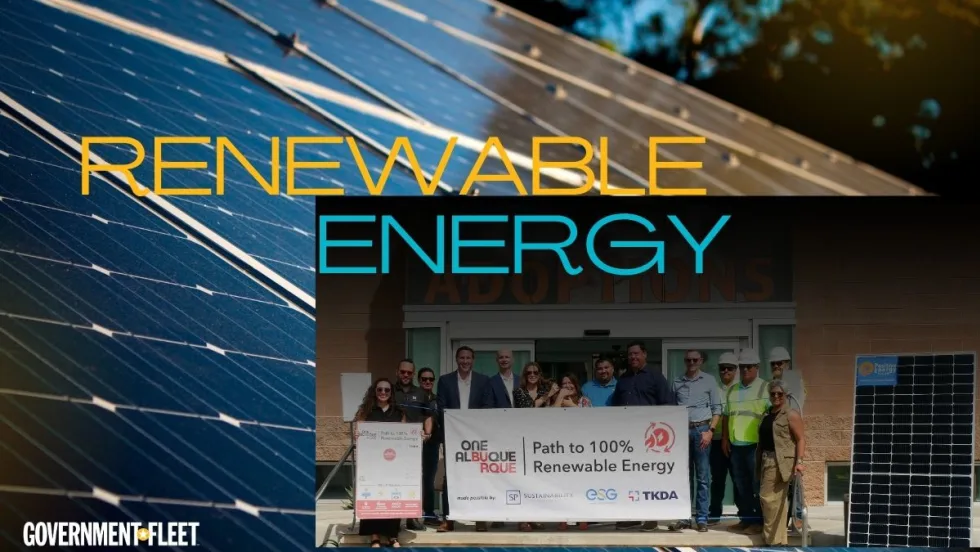
Sustainability Partners, Energy Systems Group Help Albuquerque Close the Gap on its 100% Renewable Energy Goal
The eight-site, 6 MW solar project has advanced the city toward 100% renewable energy for municipal operations.
Read More →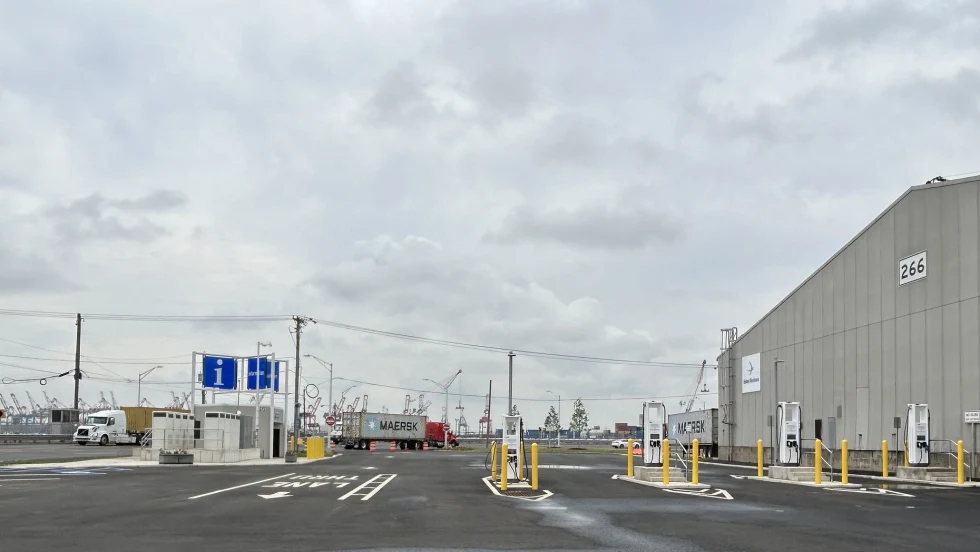
Port Authority and CALSTART Launch $45 Million Electric Truck and Charging Programs
The programs aim to boost sustainable operations across the East Coast's busiest seaport.
Read More →
Moving Government Fleets Beyond the Vehicle Purchase: EV as a Service
A discussion on how EVaaS is moving beyond pilot programs and what fleets should consider before beginning a larger deployment.
Read More →
Moving Government Fleets Beyond the Vehicle Purchase: EV as a Service
As fleets move beyond small EV pilots, Sustainability Partners CEO Adam Cain explains how EVaaS can address the infrastructure and long-term planning required for larger deployments.
Read More →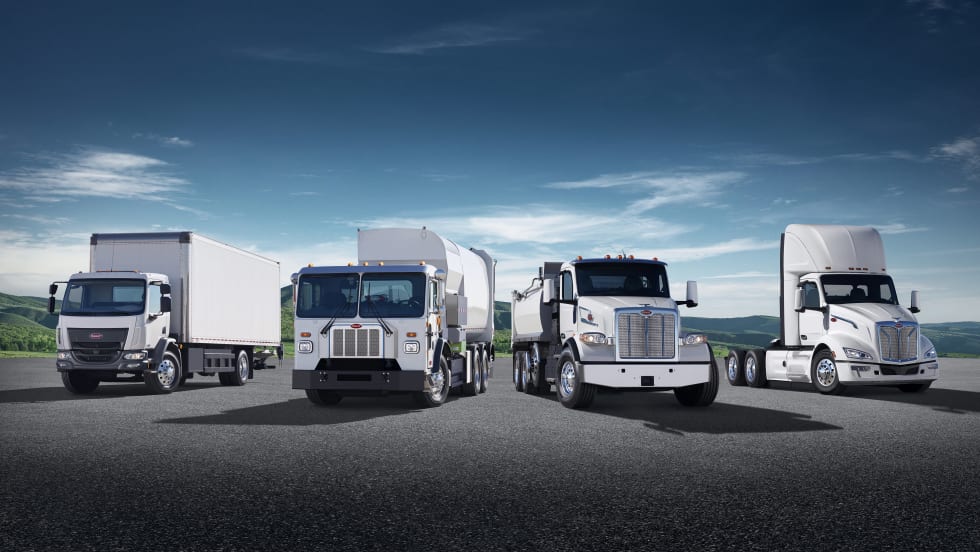
Peterbilt Expands Sourcewell Partnership with Electric Vehicle Lineup
The agreement aims to provide streamlined procurement of Peterbilt trucks for government, education, nonprofit and tribal organizations across the United States and Canada.
Read More →
EV Adoption & Charging Challenges
Where is your fleet in the journey of vehicle electrification? If you're still looking for answers to fleet electrification you've come to the right place.
Read More →
Hawaii Passes Clean Fuel Policy
Hawaii lawmakers passed clean fuel legislation that could support renewable natural gas production, biogas-powered transportation, and lower-carbon fueling options for public and commercial fleets.
Read More →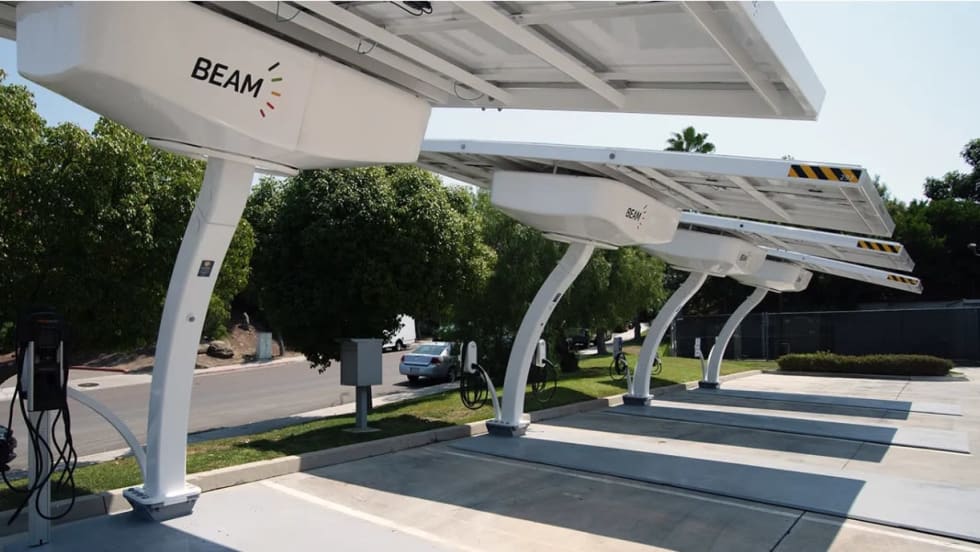
Stanislaus County Deploys Ten Beam Global EV ARC Systems to Support County Fleet Electrification
Stanislaus County deployed 10 off-grid solar-powered EV charging systems and a mobile charging trailer from Beam Global to support its electric fleet operations and emergency response flexibility.
Read More →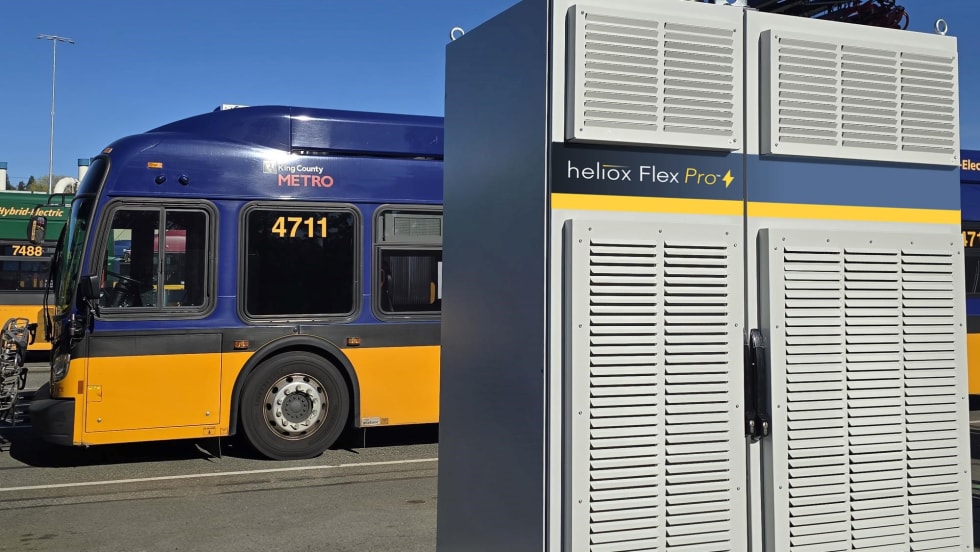
Heliox Pilots 480-kW Bus Charger with King County Metro
King County Metro is piloting Heliox’s new 480-kW Flex Pro charger to support expansion of its battery-electric bus fleet and depot charging infrastructure. The compact charging system supports pantograph and plug-in charging configurations for high-density transit operations.
Read More →