





Similar Content: White House, EPA Press USPS to Reconsider Gas-Powered Vehicle Purchasing Plan
USPS Purchase Plan Sparks Congressional Probe
In March, the Postal Service announced its first order of new vehicles, in which 40,000 will have internal combustion engines (ICE), while only 10,000 will be fully electric.
May 16, 2022
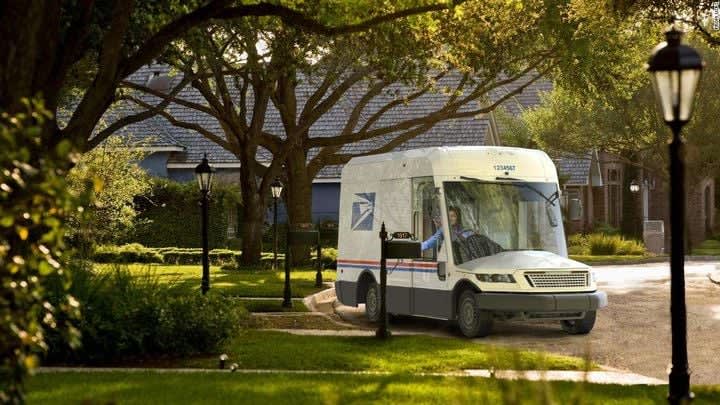
Photo: USPS
4 min to read
The U.S. Postal Service's purchase plan for its Next Generation Delivery Vehicles (NGDVs) has sparked a congressional inquiry by the House Committee on Oversight and Reform. In March, the Postal Service announced its first order of the new vehicles, in which 40,000 will have internal combustion engines (ICE), while only 10,000 will be fully electric. The plan does include contract flexibility to increase the number of electric vehicles (EVs) in the order if financial and business use case justifications present themselves, according to the USPS.
U.S. Rep. Carolyn B. Maloney, chairwoman of the committee, sent a letter to Postmaster General Louis DeJoy, requesting information about the acquisition of the NGDVs, and urging the Postal Service to take steps to rapidly transition to an electric fleet rather than moving ahead with plans to buy tens of thousands of "gas-guzzling trucks," according to a press release.
“Based on testimony at the committee’s recent hearing on this topic and information obtained from the contractor building these vehicles, I am concerned that the Postal Service relied on flawed assumptions to justify the purchase of gas-powered trucks while underestimating the cost savings and environmental benefits from electric vehicles,” Maloney wrote.
Witnesses at a hearing in April raised concerns that the USPS used flawed assumptions in its environmental and cost analyses to justify the purchase of the ICE vehicles, rather than electric vehicles (EVs). Jill Naamane from the Government Accountability Office (GAO) testified that GAO not only found the Postal Service underestimated the environmental benefits of electric vehicles, but that it used outdated estimates of gas prices, miscalculated maintenance costs for electric vehicles, and ignored the benefits of lower emissions from EVs.
Joe Britton, executive director of the Zero Emission Transportation Association, also testified, saying the USPS' assumptions about the cost of gasoline, the cost of EV chargers, and the range of EVs were all inaccurate, obscuring the potential savings from EVs.
The hearing also raised questions about whether the NGDV was designed to avoid emissions limits. At the hearing, Victoria Stephen, executive director of the NGDV program at the Postal Service, said that the weight of the NGDV had been set at exactly one pound higher than the weight that would subject the vehicle to strict emissions standards.
At that hearing, Maloney requested additional information from the Postal Service, including the analysis that was used to determine how many EVs to purchase. The Postal Service failed to produce that analysis, according to the House Committee.
Last week, the committee passed the Ensuring an Accurate Postal Fleet Electrification Act, which is meant to "invalidate the faulty environmental impact statement (EIS) that the Postal Service filed as part of its contract with Oshkosh Defense to produce the Next Generation Delivery Vehicle," according to a press release. The bill would also require the Postal Service to produce a new EIS before procuring any additional vehicles under the NGDV contract.
A Postal Service spokesperson responded, saying the move will potentially delay its vehicle replacement program by a year or more, substantially increasing the cost of equipping our workforce with "safe environmentally friendly, and modern delivery vehicles."
The spokesperson argued the criticisms of its EIS ignores the Postal Service's distinctive delivery profile, which requires its vehicles to travel short distances between hundreds of curbside boxes and to stop and start frequently throughout the day.
"As we have reiterated throughout this process, our commitment to an electric fleet remains ambitious given the pressing vehicle and safety needs of our aging fleet as well as our fragile financial condition. The men and women of the U.S. Postal Service have waited long enough for safer, cleaner vehicles," read a response to Government Fleet from the USPS.
The committee is requesting the Postal Service immediately take the steps to advance the transition to an electric fleet, including a new total cost of ownership analysis and environmental impact analysis. The committee is also asking the USPS to provide the additional documents requested by May 25, 2022, including the complete, unredacted NGDV total cost of ownership analysis.
Late last month, 16 states, the District of Columbia, and environmental groups filed a lawsuit against the USPS over its purchase plan.
More Green Fleet
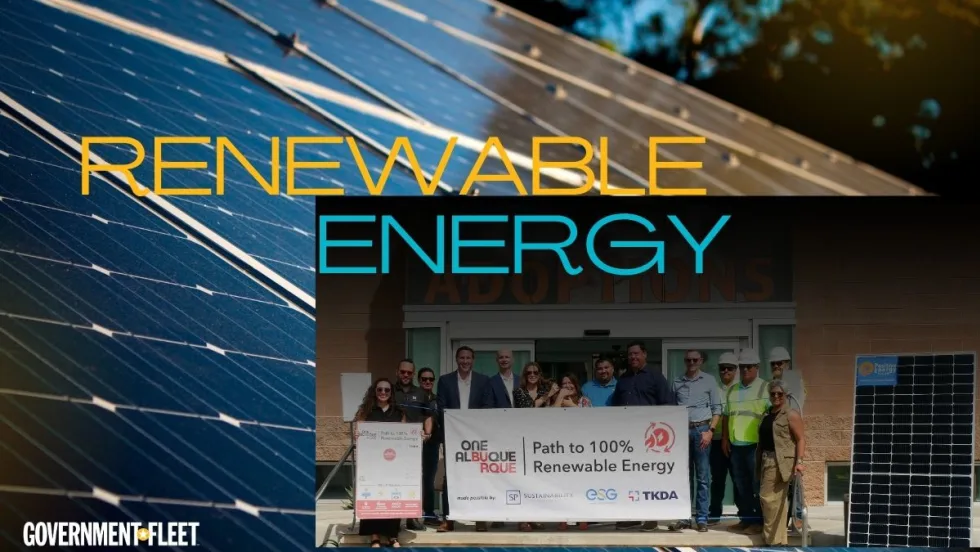
Sustainability Partners, Energy Systems Group Help Albuquerque Close the Gap on its 100% Renewable Energy Goal
The eight-site, 6 MW solar project has advanced the city toward 100% renewable energy for municipal operations.
Read More →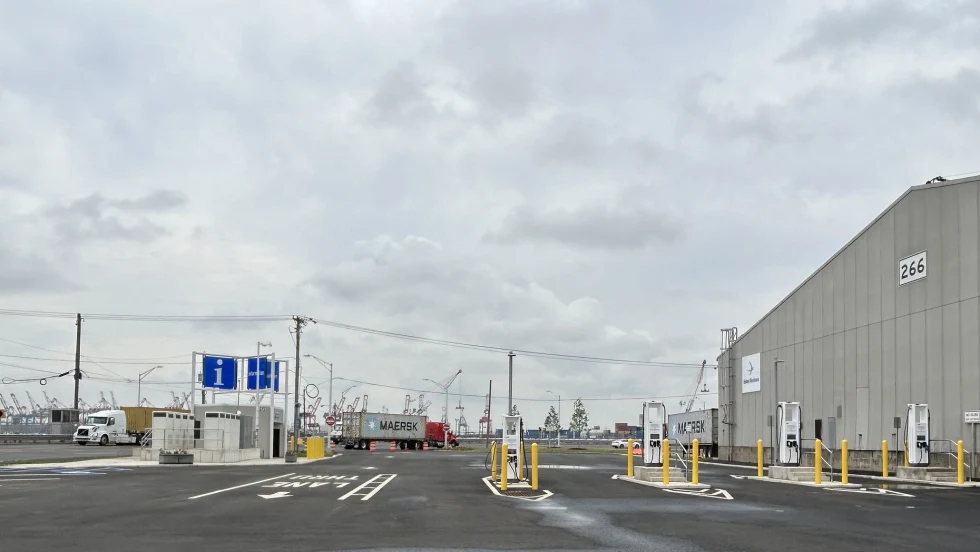
Port Authority and CALSTART Launch $45 Million Electric Truck and Charging Programs
The programs aim to boost sustainable operations across the East Coast's busiest seaport.
Read More →
Moving Government Fleets Beyond the Vehicle Purchase: EV as a Service
A discussion on how EVaaS is moving beyond pilot programs and what fleets should consider before beginning a larger deployment.
Read More →
Moving Government Fleets Beyond the Vehicle Purchase: EV as a Service
As fleets move beyond small EV pilots, Sustainability Partners CEO Adam Cain explains how EVaaS can address the infrastructure and long-term planning required for larger deployments.
Read More →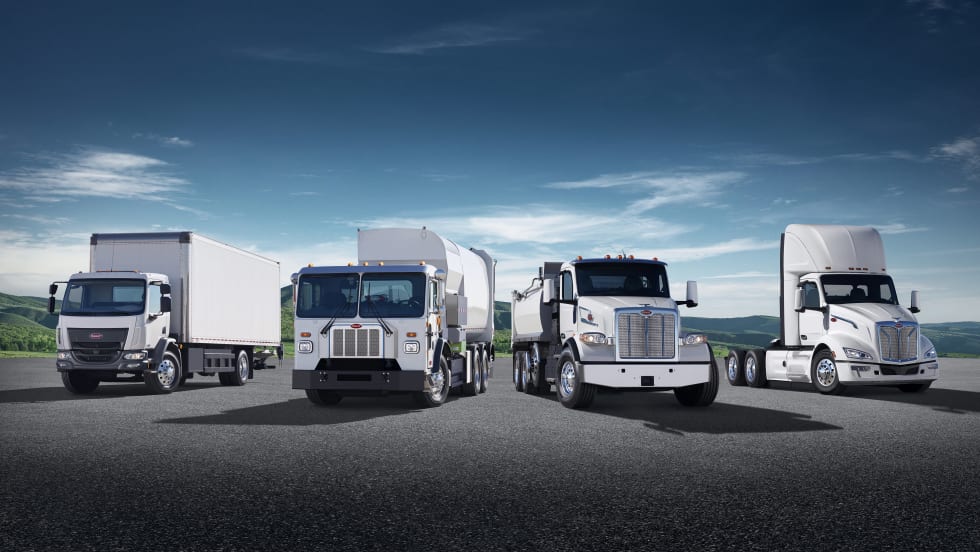
Peterbilt Expands Sourcewell Partnership with Electric Vehicle Lineup
The agreement aims to provide streamlined procurement of Peterbilt trucks for government, education, nonprofit and tribal organizations across the United States and Canada.
Read More →
EV Adoption & Charging Challenges
Where is your fleet in the journey of vehicle electrification? If you're still looking for answers to fleet electrification you've come to the right place.
Read More →
Hawaii Passes Clean Fuel Policy
Hawaii lawmakers passed clean fuel legislation that could support renewable natural gas production, biogas-powered transportation, and lower-carbon fueling options for public and commercial fleets.
Read More →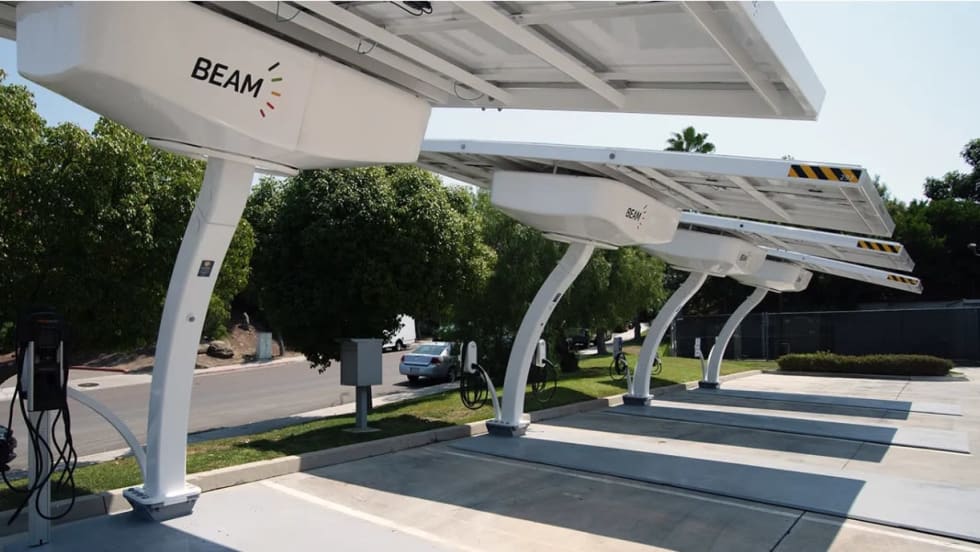
Stanislaus County Deploys Ten Beam Global EV ARC Systems to Support County Fleet Electrification
Stanislaus County deployed 10 off-grid solar-powered EV charging systems and a mobile charging trailer from Beam Global to support its electric fleet operations and emergency response flexibility.
Read More →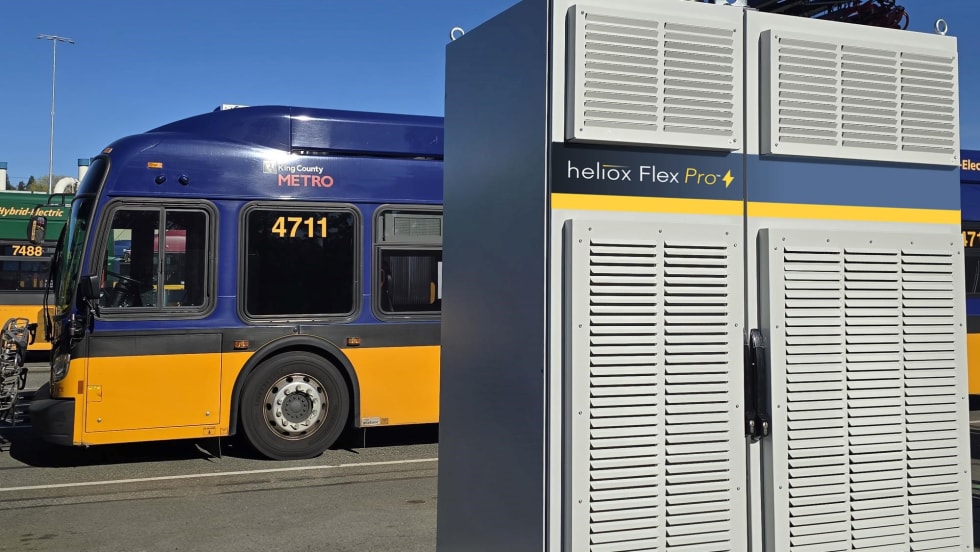
Heliox Pilots 480-kW Bus Charger with King County Metro
King County Metro is piloting Heliox’s new 480-kW Flex Pro charger to support expansion of its battery-electric bus fleet and depot charging infrastructure. The compact charging system supports pantograph and plug-in charging configurations for high-density transit operations.
Read More →