




United Government Converts Fleet to Propane-Autogas
The Unified Government (UG) of Wyandotte County and Kansas City, Kansas, is converting 13 paratransit buses and two pickup trucks to run on propane-autogas. With these conversions, the UG expects to save at least $100,000 in annual fuel costs.
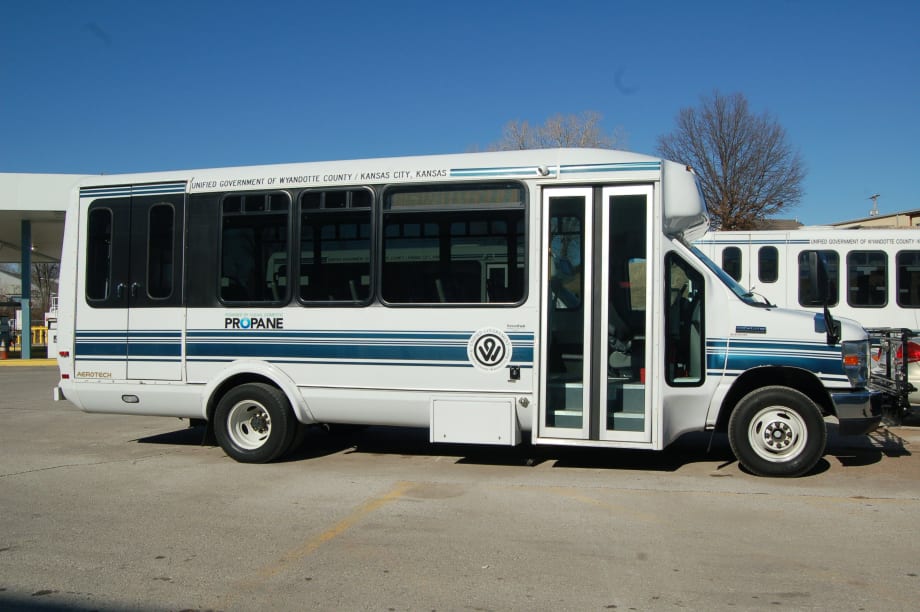
One of the vehicles the Unified Government converted to run on propane autogas is an 13 E-450 paratransit bus.
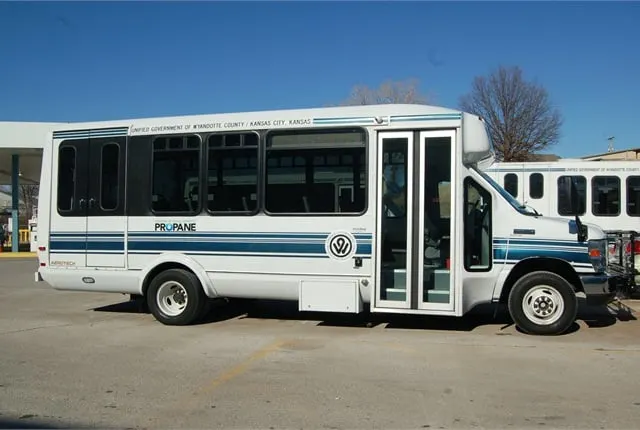
One of the vehicles the Unified Government converted to run on propane autogas is an 13 E-450 paratransit bus.
By the end of April, the Unified Government (UG) of Wyandotte County and Kansas City, Kansas, will have converted 13 Ford E-450 paratransit buses and two F-150 pickup trucks to propane autogas fuel. This conversion project will allow the UG to better budget its fuel spend. With these conversions, the UG expects to save at least $100,000 in annual fuel costs.
“We are thrilled to be on the forefront of this emerging technology,” said UG Fleet Manager Merle McCullough, CAFM, also project manager for the conversion program. “Our main objectives were to reduce our dependency on foreign oil, reduce our carbon footprint, and save the transit patrons from any possible increase in fares due to rising fuel costs.”
Through a partnership with Ferrell Gas, the UG is able to lock in an annual savings less than half the cost of gasoline. The conversion to propane replaces more than 50,000 gallons of gasoline currently being used annually. Ferrellgas is supplying the fuel station and dispenser and providing propane safety training for staff. The conversion costs nearly $9,000 per vehicle, but the UG will not incur any of the capitol expense. The project is being paid through funds remaining from the Energy Efficiency and Conservation Block Grant (ECBG), which was awarded to the UG in 2010.
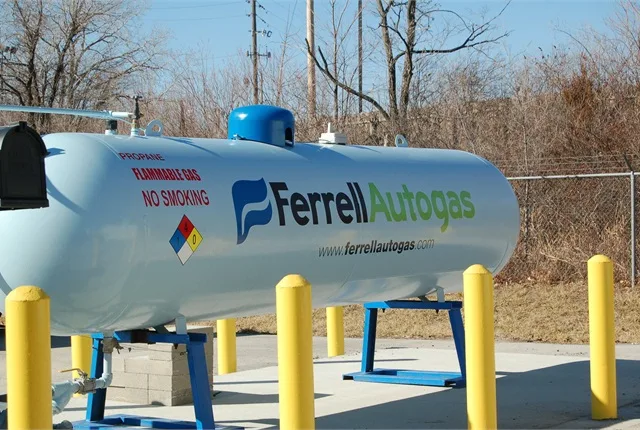
Ferrellgas is supplying the fuel station and dispenser and providing propane safety training for staff.
In addition to the annual savings in fuel costs, vehicles running on propane-autogas produce fewer harmful emissions.
The conversion to propane is part of an ongoing initiative sponsored by the U.S. Department of Energy’s government-industry partnership Clean Cities program.
The UG upgraded its fleet just last year with the purchase of several new buses, part of an ongoing effort by the UG to reduce costs and improve operations.
The UG is using the ICOM JTG II bi-fuel sytems on the gasoline vehicles. The UG is in the process of converting one Class 8 truck using the ICOM JTG diesel bi-fuel technology, as well as several Ford Interceptor Utility vehicles throughout its public safety departments.
More Green Fleet
Sustainability Partners, Energy Systems Group Help Albuquerque Close the Gap on its 100% Renewable Energy Goal
The eight-site, 6 MW solar project has advanced the city toward 100% renewable energy for municipal operations.
Read More →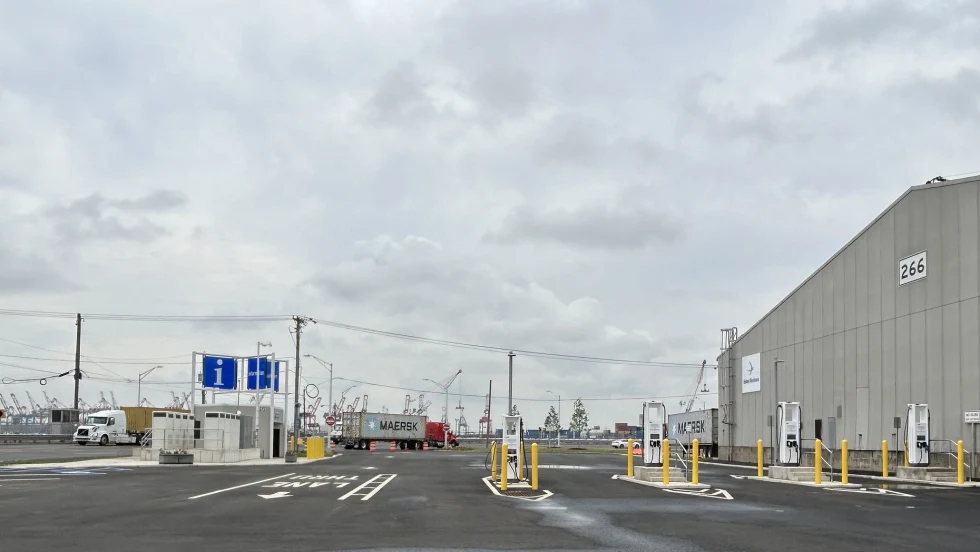
Port Authority and CALSTART Launch $45 Million Electric Truck and Charging Programs
The programs aim to boost sustainable operations across the East Coast's busiest seaport.
Read More →
Moving Government Fleets Beyond the Vehicle Purchase: EV as a Service
A discussion on how EVaaS is moving beyond pilot programs and what fleets should consider before beginning a larger deployment.
Read More →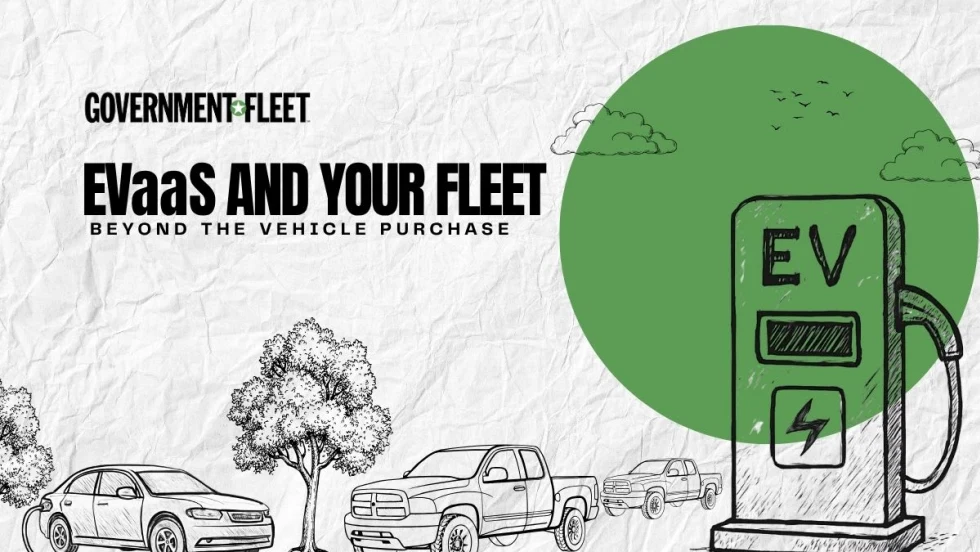
Moving Government Fleets Beyond the Vehicle Purchase: EV as a Service
As fleets move beyond small EV pilots, Sustainability Partners CEO Adam Cain explains how EVaaS can address the infrastructure and long-term planning required for larger deployments.
Read More →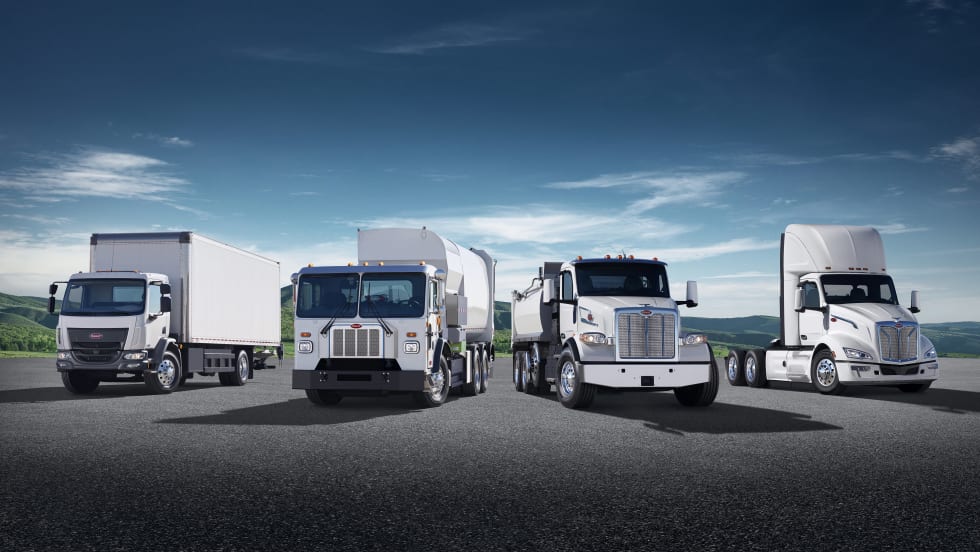
Peterbilt Expands Sourcewell Partnership with Electric Vehicle Lineup
The agreement aims to provide streamlined procurement of Peterbilt trucks for government, education, nonprofit and tribal organizations across the United States and Canada.
Read More →
EV Adoption & Charging Challenges
Where is your fleet in the journey of vehicle electrification? If you're still looking for answers to fleet electrification you've come to the right place.
Read More →
Hawaii Passes Clean Fuel Policy
Hawaii lawmakers passed clean fuel legislation that could support renewable natural gas production, biogas-powered transportation, and lower-carbon fueling options for public and commercial fleets.
Read More →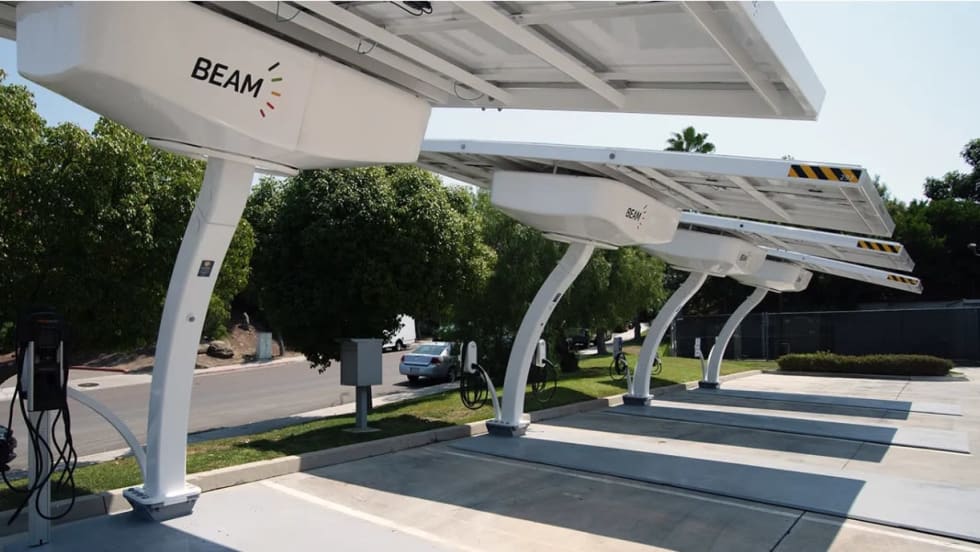
Stanislaus County Deploys Ten Beam Global EV ARC Systems to Support County Fleet Electrification
Stanislaus County deployed 10 off-grid solar-powered EV charging systems and a mobile charging trailer from Beam Global to support its electric fleet operations and emergency response flexibility.
Read More →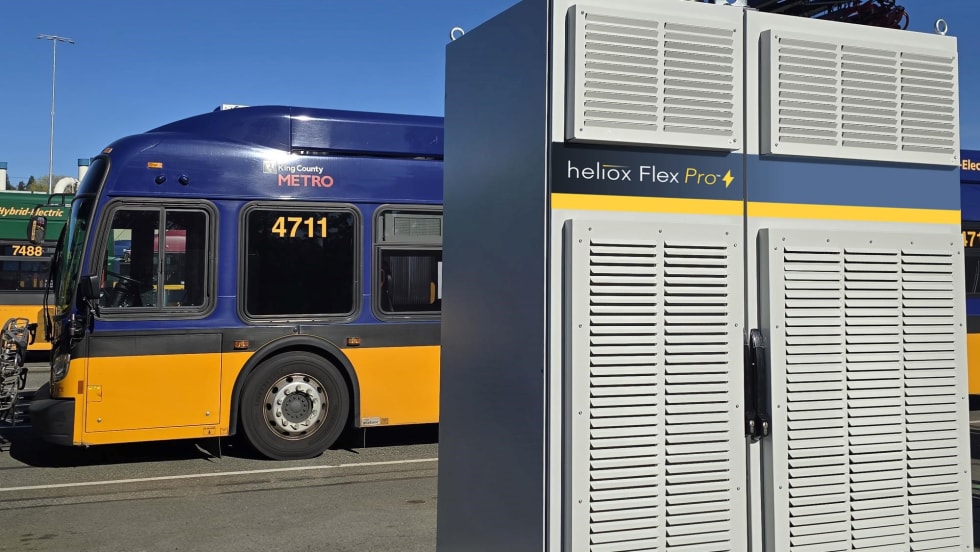
Heliox Pilots 480-kW Bus Charger with King County Metro
King County Metro is piloting Heliox’s new 480-kW Flex Pro charger to support expansion of its battery-electric bus fleet and depot charging infrastructure. The compact charging system supports pantograph and plug-in charging configurations for high-density transit operations.
Read More →