




Union County Tests Biofuel in Heavy Duty Vehicles
UNION COUNTY, NJ - In a six-month pilot project, Union County will test its heavy duty vehicles at Ash Brook Golf Course to run on biodiesel fuel to improve the county's environomental footprint.
UNION COUNTY, NJ - In a six-month pilot project, Union County will test its heavy-duty vehicles at Ash Brook Golf Course to run on biodiesel fuel to improve the county's environomental footprint, according to the Star-Ledger.
The alternative fuel, a mix of 5-percent biofuel - made of soybean oil - and 95-percent diesel fuel, reduces the amount of carbon dioxide released compared to regular diesel, said Tina Casey, a county spokeswoman.
The biodiesel, which Mitchell Supreme Fuel Co. will supply for the pilot project, also burns cleaner, leading to less wear and tear on engines, extending a vehicle's time on the road, Casey said.
During the test period, 16 county dump trucks, bulldozers, tractors, mowers, and air compressors will run on biodiesel. Officials will study pollution output, along with vehicles' breakdown and acceleration rates, said Louis Bassano, a longtime New Jersey state legislator who now a Mitchell Supreme executive.
Freeholder Bette Jane Kowalski said the eventual goal would be to run all of Union County's 260 diesel-powered vehicles and heavy equipment on biodiesel. The mixes of biodiesel can increase to 20 percent without having to get specially-designed engines for the vehicles, and officials said if the pilot-project is successful, they would strive for that ratio.
The County has also pledged that most vehicles it will buy will use hybrid or flex-fuel, according to Union County manager George Devanney.
At about $1.93 per gallon, biodiesel costs more than ordinary diesel, which sells for about $1.54 a gallon, county officials said. For all of 2008, the county's heavy-duty vehicles and equipment consumed 285,000 gallons of regular diesel.
But those prices should level off as improvements to biofuels are made and other alternative fuels are developed, said Joseph Fiordaliso, New Jersey Board of Public Utilities commissioner, who attended today's event. And for now, he said, the extra price is worth it. "We all have to make a conscious effort to reduce our carbon footprint and reliance on foreign oil to minimize climate change."
More Operations
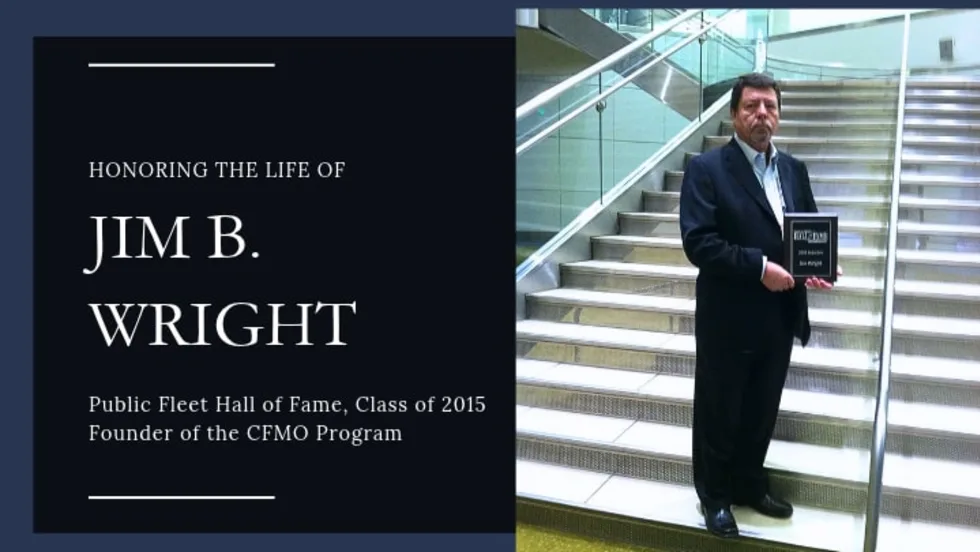
Remembering Jim Wright, Public Fleet Hall of Famer and CFMO Founder
James 'Jim' B. Wright, who founded the Certified Fleet Management Organization (CFMO) program and guided it for many years, died Wednesday evening, Nov. 18.

What Fleet Metrics Can Miss, Plus 2027 Police Vehicle Tests and Awards
What could a healthy-looking fleet metric be hiding? This week’s roundup looks at when to dig deeper, how 2027 patrol vehicles performed in preliminary tests, and how to apply for the Police Fleet Innovators Award.

What Can Disappear After a Fleet Crash?
This week, we look at drone footage, what fleets should document before repairs begin, and share a quick poll.

Does Your Government Fleet Handle Refuse and Waste Operations? Take Our Poll
Government Fleet wants to hear from public-sector fleet professionals about their responsibilities for refuse collection and waste management equipment.

Fleet Replacement Decisions, Waste Fleet Technology and the GFX Deadline
Is your next vehicle the right fit, can your records settle a missed pickup dispute, and what could your fleet teach others at GFX 2027?

Is Delaying Fleet Replacement Really Saving Money?
Could delaying replacement cost your fleet more than it saves? This week’s recap takes a closer look, plus an update on GFX 2027.

What Government Fleets Are Missing About Their True Costs
What are fleet budgets missing, and how can agencies use the data they already collect to make a stronger case for change?

Rethinking Fleet Decisions From the Budget Office to the Shop
This October we looked back at how public fleets are reconsidering familiar processes and using what they learn to make better decisions.

Who Owns the Message on a Refuse Truck?
Refuse trucks can carry public messages into neighborhoods, but keeping those messages current takes planning and clear responsibility.

Who Deserves Fleet Recognition and What Could You Teach at GFX?
Who helped shape your fleet career, and what have you learned that could help someone else?