




Underwriters Laboratories Develops Certification Requirements for E-85 Dispensers
NORTHBROOK, IL – Underwriters Laboratories (UL), a North American safety testing and certification organization, has established safety requirements for E-85 fuel dispensing equipment, and is now accepting submittals for certification investigations.
NORTHBROOK, IL – Underwriters Laboratories (UL), a North American safety testing and certification organization, has established safety requirements for E-85 fuel dispensing equipment, and is now accepting submittals for certification investigations. The establishment of safety requirements follows the completion of UL’s comprehensive research program to investigate potential safety concerns associated with dispensing highly concentrated ethanol-blended fuels. The research included extensive gathering of technical data, field studies of existing E-85 installations in the United States and Brazil, analysis of material compatibility for dispenser components, and a co-sponsored technical forum with the United States Department of Energy (DOE) that brought together 32 national experts from automobile and petroleum companies, ethanol producers, dispenser and component manufacturers, industry associations, government agencies, and university researchers. “UL’s research into the safety aspects of the equipment used to dispense high percentage ethanol-blended fuels was a significant undertaking that required the participation of government agencies such as Department of Energy and Environmental Protection Association (EPA), as well as technical experts in biofuels and material compatibility from around the world,” said Gus Schaefer, UL’s public safety officer. “We took the need for E-85 dispenser requirements very seriously due to the unique characteristics of ethanol-blended fuels and believe the potential issues we identified through our thorough process will help promote the efficient, effective delivery of E-85 as safely as possible.” UL’s research indicated that although certain materials found in commercially available dispensers can be expected to perform acceptably when exposed to motor vehicle fuels blended with high concentrations of ethanol, some materials experienced significant deterioration during research tests. The new safety requirements address these material compatibility findings. Working closely with the DOE, UL’s scientific research program was designed to advance public knowledge about the long-term effects of highly concentrated ethanol on the components of E-85 dispensers and the subsequent effects on fire safety. One element of the research program included a long-term conditioning test. Test results were used to assist UL in determining the necessary protocols for evaluating potential degradation of dispenser materials from exposure to E-85. As part of ongoing research, UL is currently working with DOE, EPA, the National Renewable Energy Laboratory, and Oak Ridge National Laboratory to conduct additional long-term, dynamic testing of materials to be used in E-85 dispensers.
More Operations

Hazard Alerts, Fleet Car Sales Rise and a New Shuttle Concept
Fleet car sales doubled, but the bigger picture tells a different story in this week’s roundup.
Read More →
How St. Johns County Turned Fleet Data Into Better Replacement Decisions
St. Johns County, Florida, had fleet data, but turning it into reliable decision guidance was another matter. Instead of starting over with a new fleet management system, the county connected existing tools and built a scoring system that gives managers an objective look at fleet health.
Read More →
Fleet Forward Conference Introduces One-Day Passes for 2026
New one-day registration lets fleet professionals attend Tuesday, Wednesday, or Thursday, with passes available for $249.
Read More →
ENC Unveils its ZAVIR Medium-Duty Shuttle
Two variants of the concept shuttles were revealed: a low-floor configuration and a high-floor configuration.
Read More →
Could Your Next Fleet Technician Start as an Intern?
What if your next technician hasn’t worked in a fleet shop yet? What fleets are doing to free up time.
Read More →
How Phoenix Is Building Its Next Generation of Fleet Technicians
With more than 8,000 vehicles and pieces of equipment to maintain, the City of Phoenix could not afford to wait for fully trained technicians to walk through the door. Instead, they revamped their entire workforce strategy and showed how public fleets can create their own talent pipeline while preparing existing employees for increasingly complex vehicles.
Read More →
What’s Slowing Your Fleet Down?
Could a change in how work gets done help your fleet return vehicles to service sooner?
Read More →
Can Public Fleets Trust the Data Driving Their Decisions?
Public fleets have more data than ever, but inconsistent records and missing information can still undermine maintenance, replacement, and cost decisions.
Read More →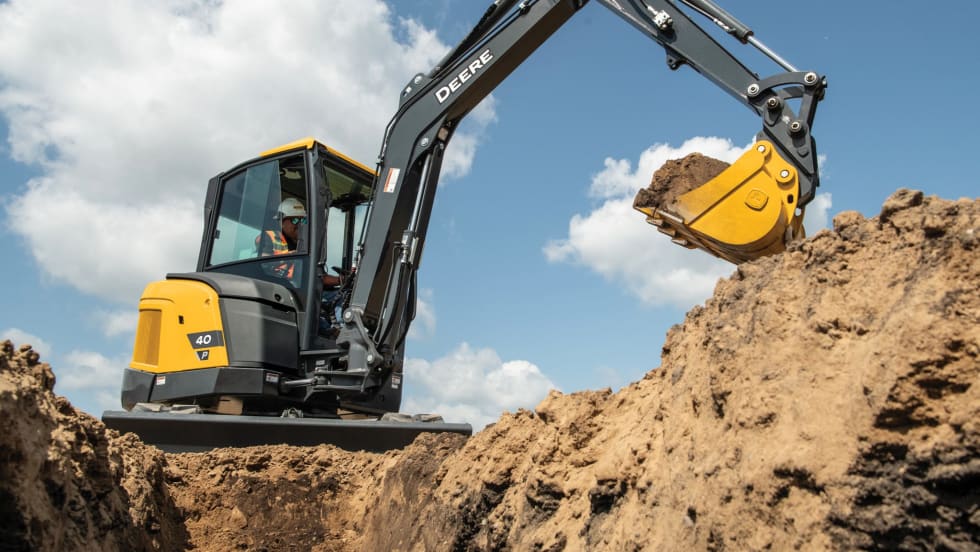
John Deere Introduces 40 P-Tier Compact Excavator
John Deere is adding a compact excavator designed for crews that need to move equipment between jobsites and handle multiple types of work with one machine. The 40 P-Tier weighs less than 10,000 pounds and offers configurable hydraulics, attachment options, and connected fleet-management capabilities.
Read More →
How Leading Fleets Improve and Why Business Plans Matter
This week, we look at what past Leading Fleet winners can teach us about making progress, plus how to build a business plan your fleet will actually use.
Read More →