




U.S. DOE and GM Select 17 College Teams for “EcoCAR” Vehicle Engineering Competition
WASHINGTON – The U.S.Department of Energy, General Motors, and Natural Resources Canada has announced the 17 teams selected to participate in EcoCAR: The NeXt Challenge, a collegiate vehicle engineering competition set to begin in Fall 2008.
WASHINGTON – The U.S.Department of Energy, General Motors, and Natural Resources Canada has announced the 17 teams selected to participate in EcoCAR: The NeXt Challenge, a collegiate vehicle engineering competition set to begin in Fall 2008. EcoCAR will challenge university engineering students across North America to re-engineer a Saturn VUE to achieve improved fuel economy and reduced green house gas emissions, while retaining the vehicle’s performance and consumer appeal.
Students will design and build advanced propulsion solutions that are based on the vehicle categories from the California Air Resources Board (CARB) zero emissions vehicle (ZEV) regulations. They will be encouraged to explore a variety of cutting-edge clean vehicle solutions, including full-function electric, range-extended electric, hybrid, plug-in hybrid, and fuel cell technologies. In addition, they will incorporate lightweight materials into the vehicles, improve aerodynamics and utilize alternative fuels such as ethanol, biodiesel, and hydrogen.
The following teams have been selected to compete in the EcoCAR competition:
· Embry-Riddle Aeronautical University (Daytona Beach, Fla.) .
· Georgia Tech (Atlanta, Ga.).
· Howard University (Washington, D.C.).
·Michigan Technological University (Houghton, Mich.).
· Mississippi State University (Starkville, Miss.).
· Missouri University of Science and Technology (Rolla, Mo.).
· North Carolina State University (Raleigh, N.C.).
· Ohio State University (Columbus, Ohio).
· Pennsylvania State University (University Park, Pa.).
· Rose-Hulman Institute of Technology (Terre Haute, Ind.).
· Texas Tech University (Lubbock, Texas).
· University of Ontario Institute of Technology (Oshawa, Ontario, Canada).
· University of Victoria (Victoria, British Columbia, Canada).
· University of Waterloo (Waterloo, Ontario, Canada).
· University of Wisconsin (Madison, Wis.).
· Virginia Tech (Blacksburg, Va.).
· West Virginia University (Morgantown, W.V.).
During the three-year program, General Motors will provide production vehicles, vehicle components, seed money, technical mentoring, and operational support. The U.S. Department of Energy and its research and development facility, Argonne National Laboratory, will provide competition management, team evaluation, and technical and logistical support.
“We’re excited to see what these student engineers will develop over the next three years,” said Beth Lowery, General Motors vice president, Environment, Energy, and Safety Policy. “The objectives of EcoCAR are right in line with GM’s strategy.”
In the first year, teams will develop their vehicle designs through the use of GM’s Global Vehicle Development Process — the modeling and simulation process currently used to develop all of GM’s vehicles. Sophisticated hardware in the loop (HIL) and software in the loop (SIL) systems will be utilized, and teams will be challenged to model and simulate the integration of their subsystems into the overall vehicle design. The emphasis is on optimizing a practical, realizable solution that will meet the goals of the competition.
During the second and third years of the competition, students will build the vehicle and continue to refine, test, and improve vehicle operation. At the end of Years Two and Three, the re-engineered student vehicle prototypes will compete in a week-long competition of engineering tests. These tests will be similar to the tests GM conducts to determine a prototype’s readiness for production. The Greenhouse gas, Regulated Emissions, and Energy in Transportation (GREET) model, developed at Argonne National Laboratory, will be used to assess a well-to-wheel analysis of the greenhouse gas impacts of each technology approach the teams select.
In addition to sponsorship from GM and DOE, Platinum sponsor Government of Canada is providing extensive operational support. The other Platinum sponsors, dSPACE, National Instruments, The MathWorks, and Freescale Semiconductor are providing critical software and hardware components.
Gold sponsors are The National Science Foundation and MotoTron Corporation. Silver sponsors are SnapOn Tools and Renewable Fuels Association. Bronze sponsors are Delphi Corporation, EcoMotors, CarSim, and Bosch.
Additional information about EcoCAR is available at www.ecoCARchallenge.org.
More Green Fleet
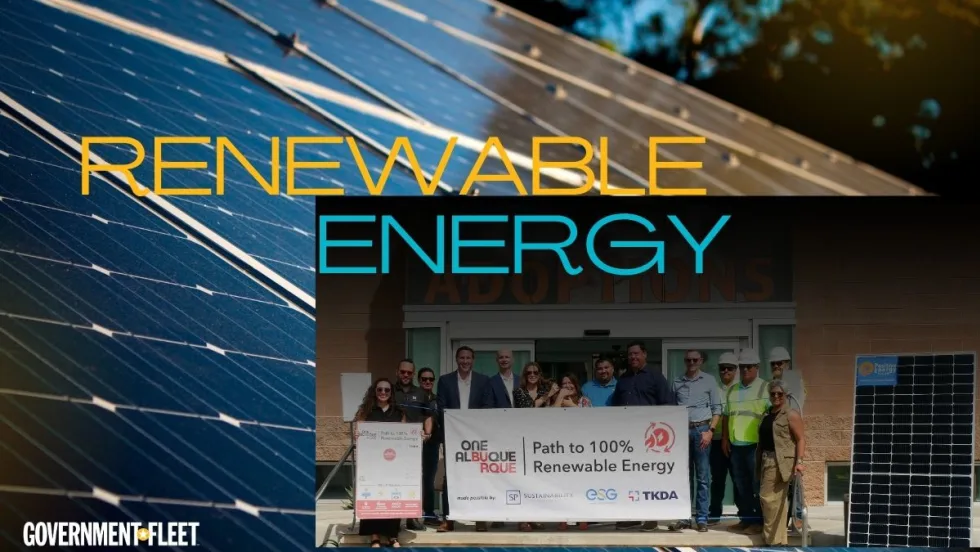
Sustainability Partners, Energy Systems Group Help Albuquerque Close the Gap on its 100% Renewable Energy Goal
The eight-site, 6 MW solar project has advanced the city toward 100% renewable energy for municipal operations.
Read More →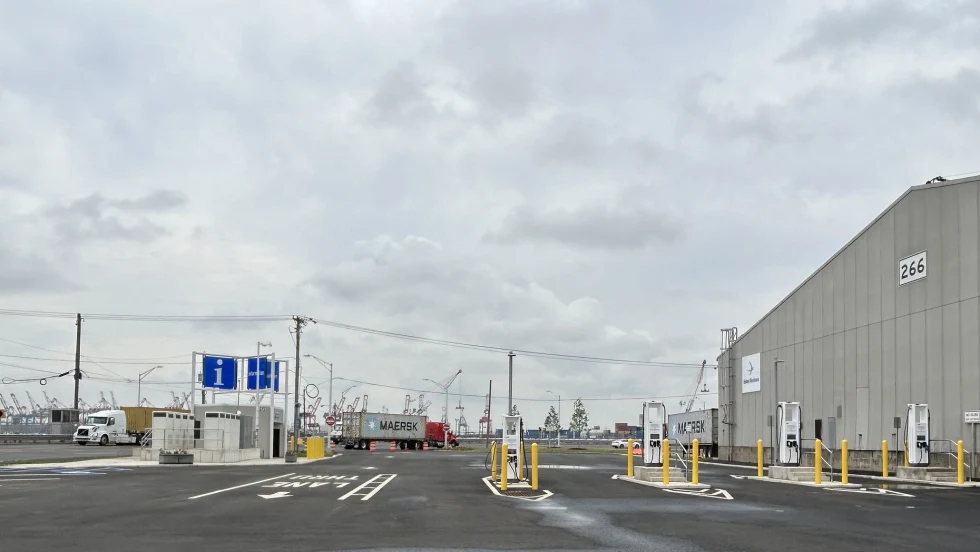
Port Authority and CALSTART Launch $45 Million Electric Truck and Charging Programs
The programs aim to boost sustainable operations across the East Coast's busiest seaport.
Read More →
Moving Government Fleets Beyond the Vehicle Purchase: EV as a Service
A discussion on how EVaaS is moving beyond pilot programs and what fleets should consider before beginning a larger deployment.
Read More →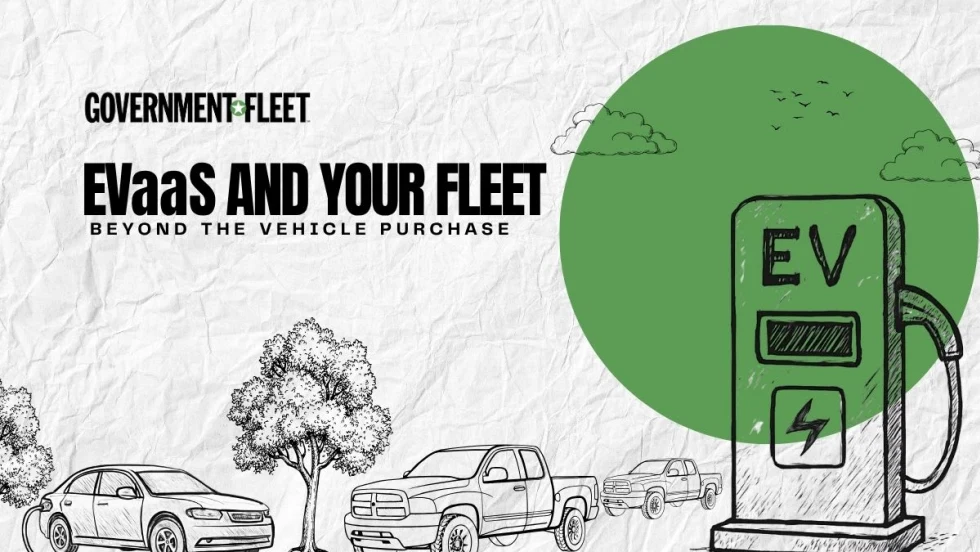
Moving Government Fleets Beyond the Vehicle Purchase: EV as a Service
As fleets move beyond small EV pilots, Sustainability Partners CEO Adam Cain explains how EVaaS can address the infrastructure and long-term planning required for larger deployments.
Read More →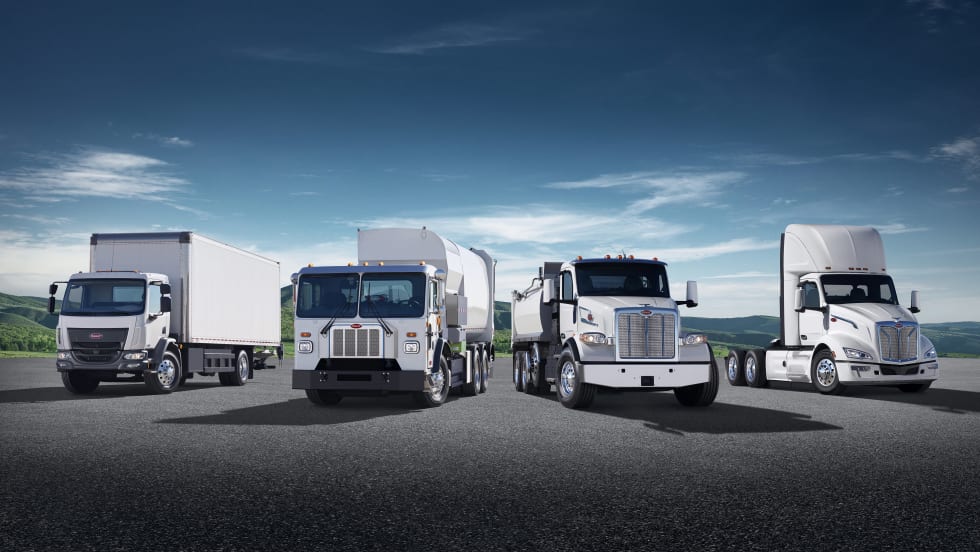
Peterbilt Expands Sourcewell Partnership with Electric Vehicle Lineup
The agreement aims to provide streamlined procurement of Peterbilt trucks for government, education, nonprofit and tribal organizations across the United States and Canada.
Read More →
EV Adoption & Charging Challenges
Where is your fleet in the journey of vehicle electrification? If you're still looking for answers to fleet electrification you've come to the right place.
Read More →
Hawaii Passes Clean Fuel Policy
Hawaii lawmakers passed clean fuel legislation that could support renewable natural gas production, biogas-powered transportation, and lower-carbon fueling options for public and commercial fleets.
Read More →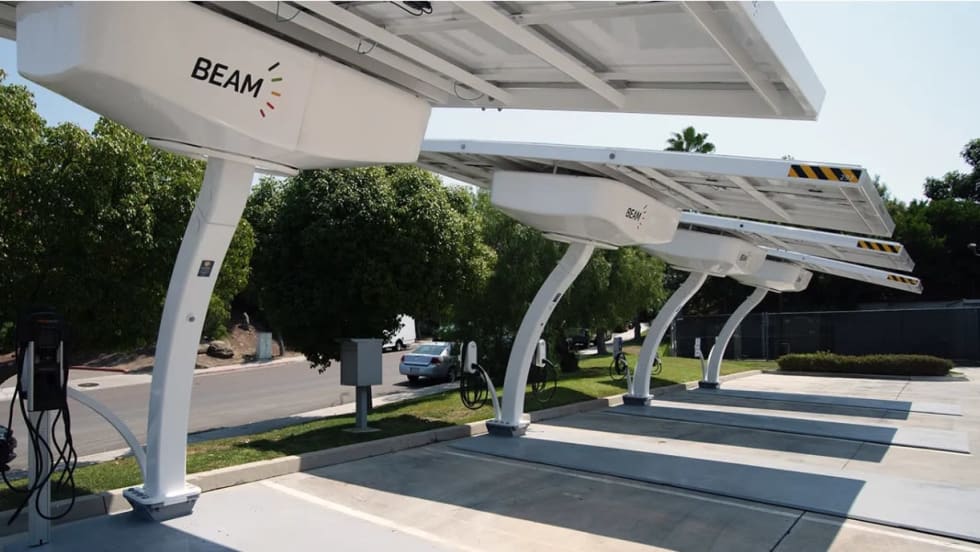
Stanislaus County Deploys Ten Beam Global EV ARC Systems to Support County Fleet Electrification
Stanislaus County deployed 10 off-grid solar-powered EV charging systems and a mobile charging trailer from Beam Global to support its electric fleet operations and emergency response flexibility.
Read More →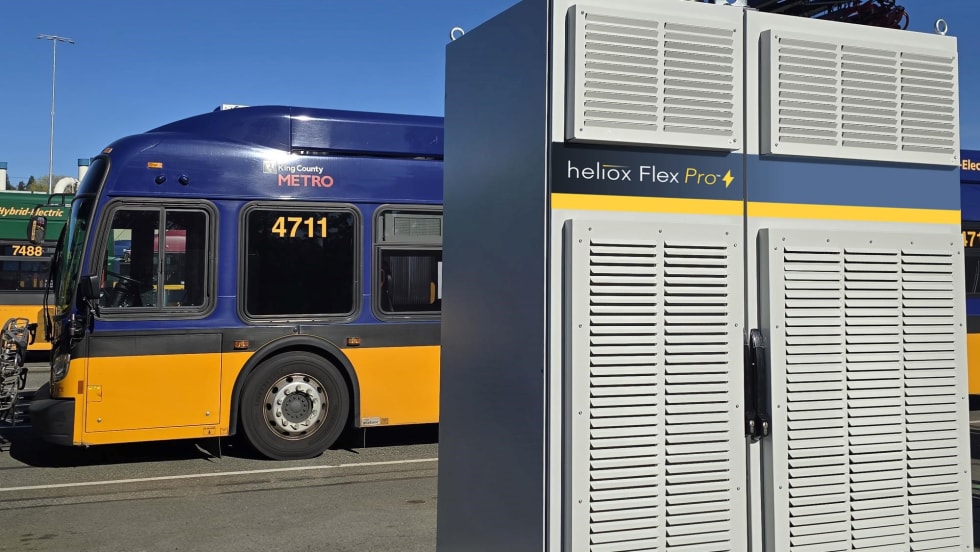
Heliox Pilots 480-kW Bus Charger with King County Metro
King County Metro is piloting Heliox’s new 480-kW Flex Pro charger to support expansion of its battery-electric bus fleet and depot charging infrastructure. The compact charging system supports pantograph and plug-in charging configurations for high-density transit operations.
Read More →