





Similar Content: When Is Your Fleet Ready For Electric Vehicles?
Toyota to Debut Three New EVs for U.S. Market
The three cars include two battery electric vehicles (BEVs) and a plug-in hybrid electric vehicle (PHEV).
February 10, 2021
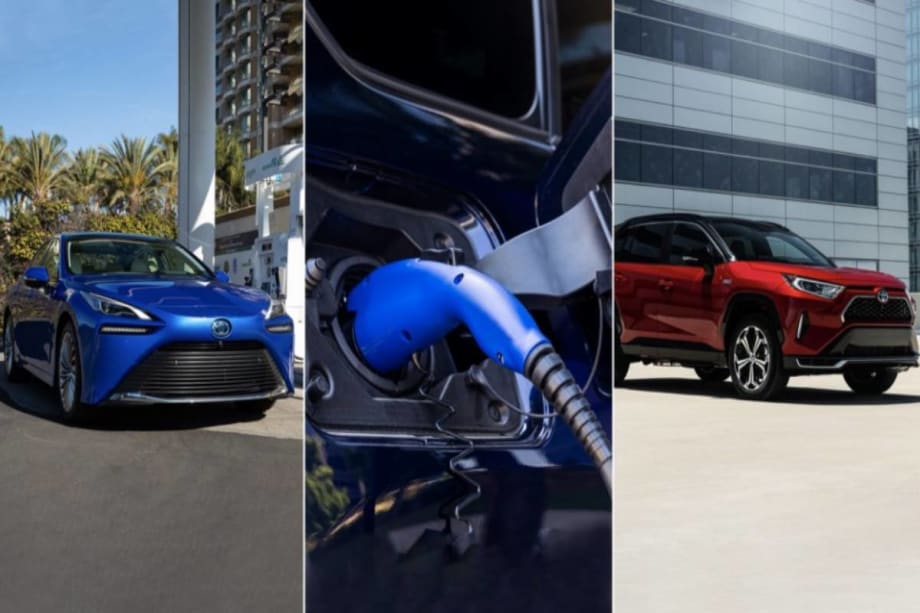
The three cars include two battery electric vehicles (BEVs) and a plug-in hybrid electric vehicle (PHEV).
Photo: Toyota
2 min to read
Toyota Motor North America (TMNA) announced plans on Feb. 10 to debut in the U.S. market this year, three new electrified models – two battery electric vehicles (BEVs) and a plug-in hybrid electric vehicle (PHEV).
Toyota shared highlights of new internal research evaluating the environmental impact and cost of ownership between a PHEV and a BEV. For this research, Toyota created a tool that shows the trade-off between GHG emissions and total cost of ownership. The source code for this tool is publicly available at carghg.org for others to experiment with the various input parameters and see the movement of BEVs and PHEVs on the GHG and cost plot.
The research found:
GHG of an available BEV model and PHEV model are roughly the same in on-road performance when factoring in pollutants created by electricity production for the average U.S. energy grid used to charge batteries.
Manufacturing is a component of GHG emissions. Using the “Greenhouse gases, Regulated Emissions, and Energy use in Technologies” (GREET) model, researchers found that the production of a PHEV emits less GHG since it uses a smaller, lighter weight battery.
The PHEV is much less expensive to buy and own, compared to the BEV. Without any incentives, the five-year total cost of ownership (TCO) of a long-range BEV is significantly higher than the PHEV. If you include incentives available this year (2020), the TCO of a long-range BEV is much higher.
The new electrified models further expand Toyota’s U.S. footprint in alternative powertrain vehicles. Toyota has over 40% share of the total alternative fuel vehicle market, which includes a 75% share of the fuel cell market and a 64% share of hybrids and plug-ins. By 2025, Toyota’s goal is to have 40% of new vehicle sales be electrified models, and by 2030 expects that to increase to nearly 70%.
Globally, Toyota hybrid vehicles sold have avoided an estimated 139 million tons of greenhouse gas (GHG) into the atmosphere. In the U.S., the company has avoided about 38 million tons of GHG.
Between now and 2025, Toyota and Lexus models, globally, will have an electrified option. Toyota is also developing a dedicated BEV platform, e-TNGA, that offers flexibility for all drive configurations.
More Green Fleet
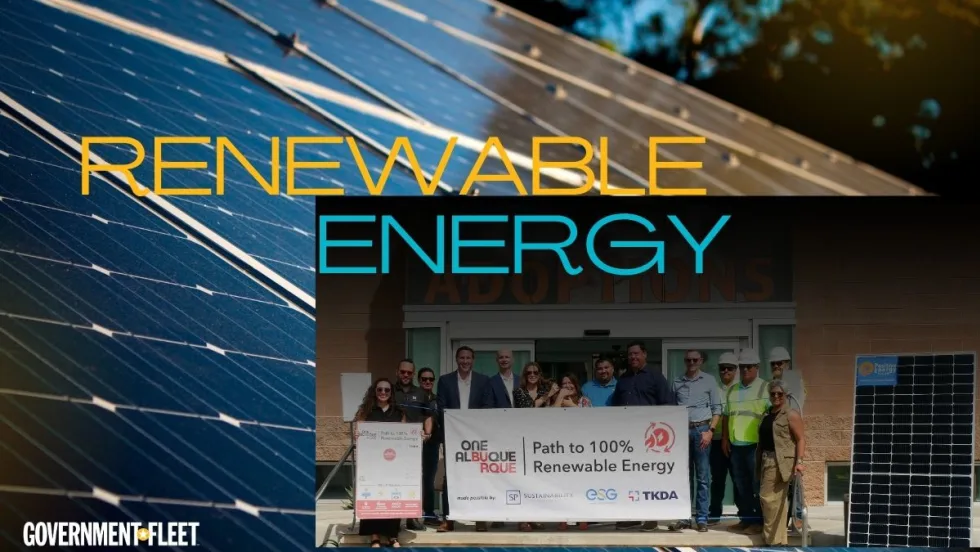
Sustainability Partners, Energy Systems Group Help Albuquerque Close the Gap on its 100% Renewable Energy Goal
The eight-site, 6 MW solar project has advanced the city toward 100% renewable energy for municipal operations.
Read More →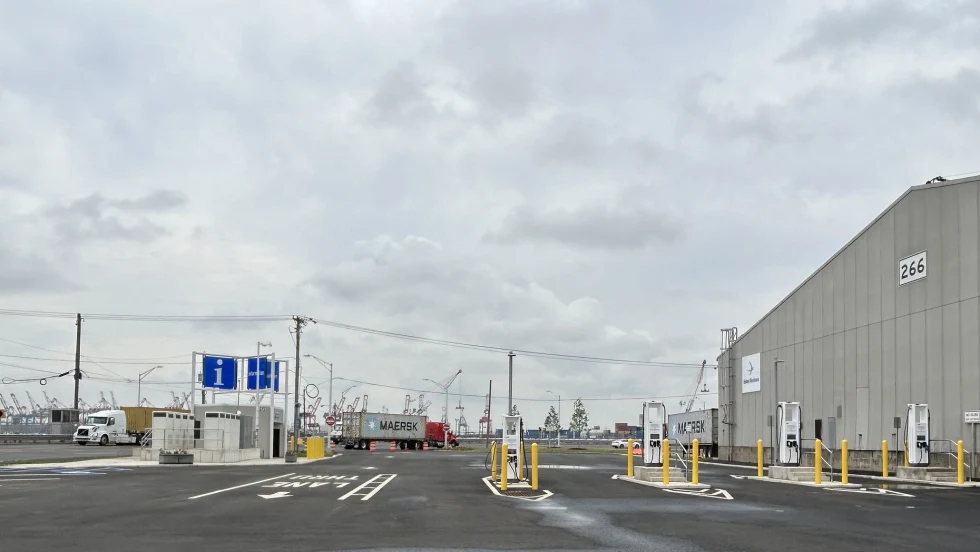
Port Authority and CALSTART Launch $45 Million Electric Truck and Charging Programs
The programs aim to boost sustainable operations across the East Coast's busiest seaport.
Read More →
Moving Government Fleets Beyond the Vehicle Purchase: EV as a Service
A discussion on how EVaaS is moving beyond pilot programs and what fleets should consider before beginning a larger deployment.
Read More →
Moving Government Fleets Beyond the Vehicle Purchase: EV as a Service
As fleets move beyond small EV pilots, Sustainability Partners CEO Adam Cain explains how EVaaS can address the infrastructure and long-term planning required for larger deployments.
Read More →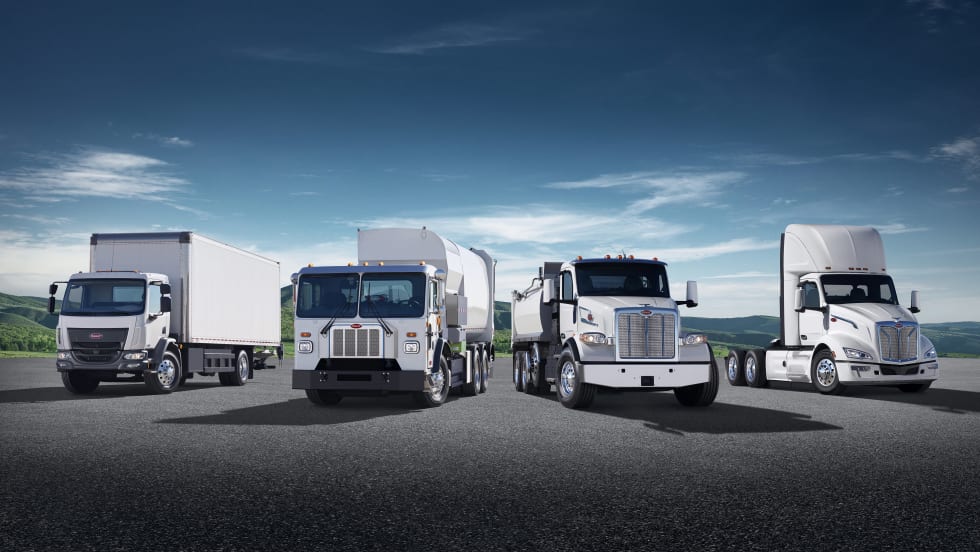
Peterbilt Expands Sourcewell Partnership with Electric Vehicle Lineup
The agreement aims to provide streamlined procurement of Peterbilt trucks for government, education, nonprofit and tribal organizations across the United States and Canada.
Read More →

EV Adoption & Charging Challenges
Where is your fleet in the journey of vehicle electrification? If you're still looking for answers to fleet electrification you've come to the right place.
Read More →
Hawaii Passes Clean Fuel Policy
Hawaii lawmakers passed clean fuel legislation that could support renewable natural gas production, biogas-powered transportation, and lower-carbon fueling options for public and commercial fleets.
Read More →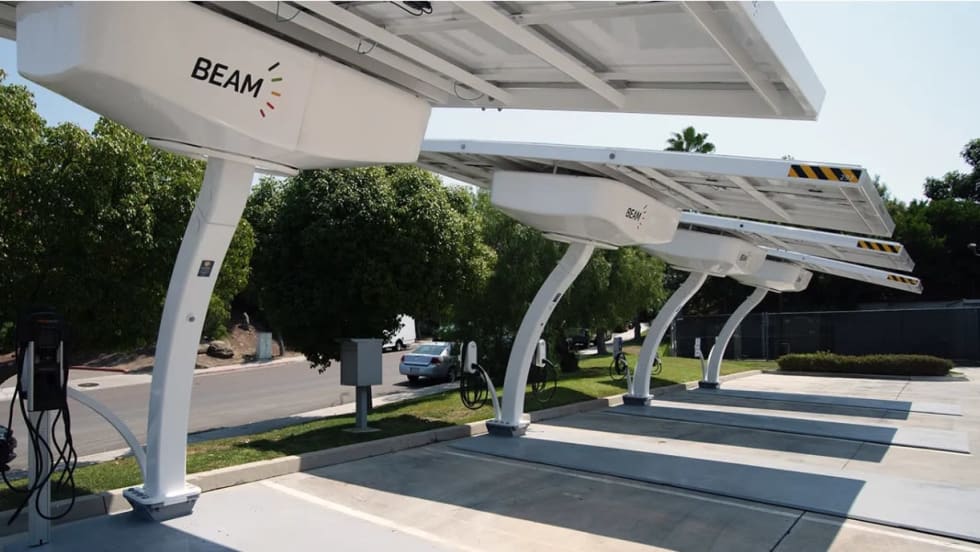
Stanislaus County Deploys Ten Beam Global EV ARC Systems to Support County Fleet Electrification
Stanislaus County deployed 10 off-grid solar-powered EV charging systems and a mobile charging trailer from Beam Global to support its electric fleet operations and emergency response flexibility.
Read More →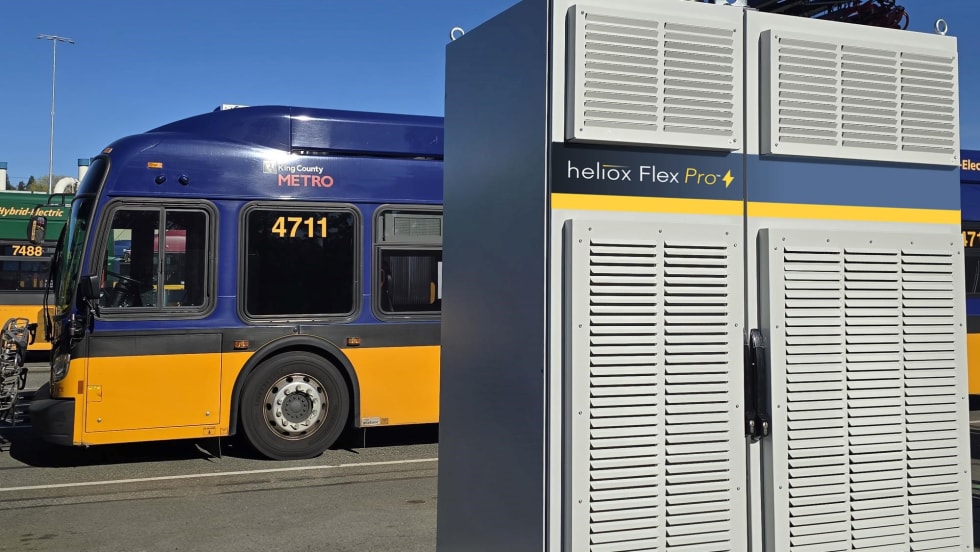
Heliox Pilots 480-kW Bus Charger with King County Metro
King County Metro is piloting Heliox’s new 480-kW Flex Pro charger to support expansion of its battery-electric bus fleet and depot charging infrastructure. The compact charging system supports pantograph and plug-in charging configurations for high-density transit operations.
Read More →