




To Save Fuel, Westchester County Uses Veggie Oil
WESTCHESTER COUNTY, N.Y. – Motivated by budget considerations, environmental concerns, and the desire for American energy independence, a handful of local governments have begun to fuel their vehicles with waste vegetable oil.
WESTCHESTER COUNTY, N.Y. – Motivated by budget considerations, environmental concerns, and the desire for American energy independence, a handful of local governments have begun to fuel their vehicles with waste vegetable oil, according to www.timesargus.com.
Westchester County, north of New York City, has converted 15 of its vehicles to run on waste vegetable oil, ranging from a garish green Veggie Van used for educational purposes to heavy equipment like a garbage truck and a farm tractor.
In addition, county-owned sites like an amusement park in Rye, a restaurant in New Rochelle, and hospital and correctional complexes in Valhalla all save their used cooking oil for the county. And the county has set up three collection sites so restaurant owners can bring their used oil. In one recent month, restaurants contributed more than 200 gallons of old cooking oil to the 300 gallons or so that the county gets each month from its own sources.
The diesel-fueled vehicles were all converted to run on vegetable oil at a total cost of about $25,000, under contracts with V.O. Tech. Tests conducted by the county showed that the vegetable oil burned more cleanly than the diesel fuel that had been used in the vehicles and gave the same power and fuel economy.
However, in the town of Mamaroneck, mechanics in the Mamaroneck Department of Public Works converted a 300-horsepower Mack garbage truck that had previously run on diesel fuel. The truck has been collecting trash for more than three months, saving the cost of about 40 gallons of diesel a week. The town paid about $7,000 to convert the truck and would recoup its money within a year.
The county subsequently put its own converted garbage truck on the road. Government experimentation with vegetable oil as a motor fuel is not limited to the Northeast. Agencies in California and Florida have also converted vehicles from diesel, according to www.timesargus.com.
Craig Dodson, the superintendent of facilities and equipment for the Golden Gate Bridge, said the agency responsible for bridge operations gave him permission to investigate alternative fuels several years ago. Now, Dodson said, he runs a pool with 24 vehicles — along with four air compressors — that use only waste vegetable oil as fuel. The vehicles include 18 Italian scooters that use single-cylinder diesel engines, four tow trucks, and two fork-lifts. The scooters are driven along the 10-foot-wide sidewalk to take workers and materials to work sites along the bridge, he said, so that traffic is not impeded by trucks stopping in the road.
Initially, Dodson said, he used a kit from www.Greasecar.com, a manufacturer in Massachusetts, to convert one scooter, equipping it with separate tanks for pure vegetable oil and a mix of vegetable oil thinned with additives. But all the rest of the scooters run on vegetable oil blended with cetane boosters and other commercially available additives in a single tank. The tow trucks are running on a mix of diesel and vegetable oil, and as they age and get closer to the end of their service life, Dodson experiments by increasing the vegetable oil component. So far, they are doing fine with heavier concentrations of vegetable oil.
Like most other agencies and private users of vegetable oil, Dodson’s agency counts on regular collections of oil from restaurants. But unlike other veggie burners, the agency has access to resources like centrifuges salvaged from county buses that were headed for the scrap heap.
More Green Fleet
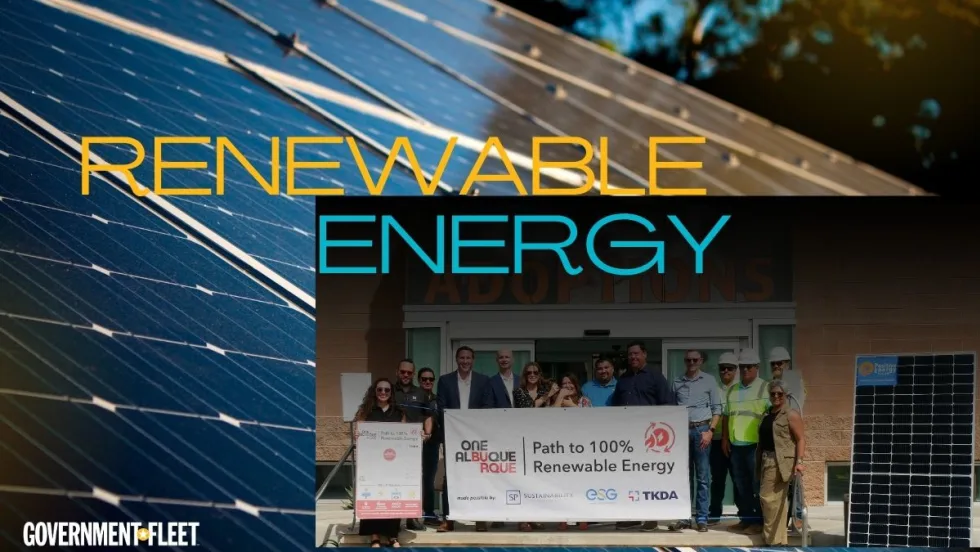
Sustainability Partners, Energy Systems Group Help Albuquerque Close the Gap on its 100% Renewable Energy Goal
The eight-site, 6 MW solar project has advanced the city toward 100% renewable energy for municipal operations.
Read More →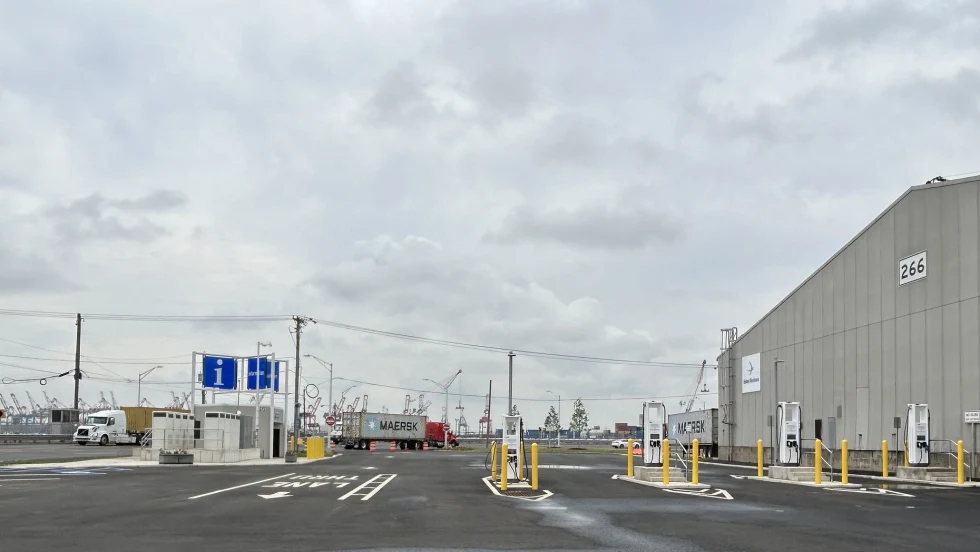
Port Authority and CALSTART Launch $45 Million Electric Truck and Charging Programs
The programs aim to boost sustainable operations across the East Coast's busiest seaport.
Read More →
Moving Government Fleets Beyond the Vehicle Purchase: EV as a Service
A discussion on how EVaaS is moving beyond pilot programs and what fleets should consider before beginning a larger deployment.
Read More →
Moving Government Fleets Beyond the Vehicle Purchase: EV as a Service
As fleets move beyond small EV pilots, Sustainability Partners CEO Adam Cain explains how EVaaS can address the infrastructure and long-term planning required for larger deployments.
Read More →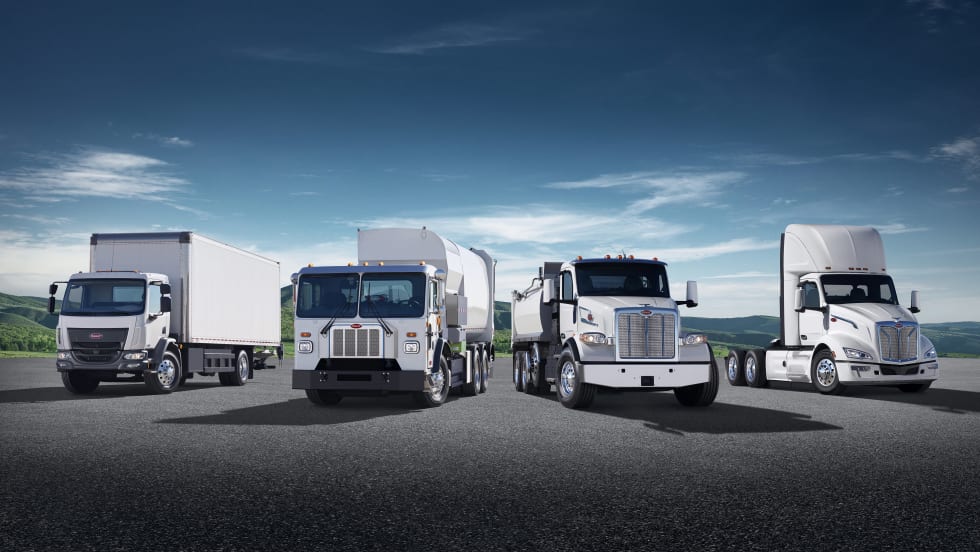
Peterbilt Expands Sourcewell Partnership with Electric Vehicle Lineup
The agreement aims to provide streamlined procurement of Peterbilt trucks for government, education, nonprofit and tribal organizations across the United States and Canada.
Read More →

EV Adoption & Charging Challenges
Where is your fleet in the journey of vehicle electrification? If you're still looking for answers to fleet electrification you've come to the right place.
Read More →
Hawaii Passes Clean Fuel Policy
Hawaii lawmakers passed clean fuel legislation that could support renewable natural gas production, biogas-powered transportation, and lower-carbon fueling options for public and commercial fleets.
Read More →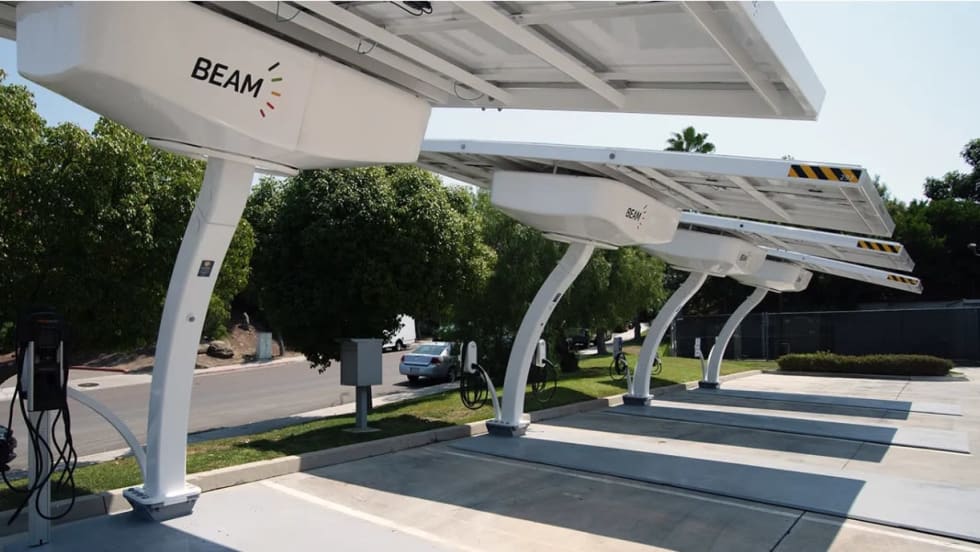
Stanislaus County Deploys Ten Beam Global EV ARC Systems to Support County Fleet Electrification
Stanislaus County deployed 10 off-grid solar-powered EV charging systems and a mobile charging trailer from Beam Global to support its electric fleet operations and emergency response flexibility.
Read More →
Heliox Pilots 480-kW Bus Charger with King County Metro
King County Metro is piloting Heliox’s new 480-kW Flex Pro charger to support expansion of its battery-electric bus fleet and depot charging infrastructure. The compact charging system supports pantograph and plug-in charging configurations for high-density transit operations.
Read More →