




Three Colorado Political Subdivisions Select FASTER as Fleet Management System
NORFOLK, VA – Boulder County, Jefferson County, and Denver Public Schools have purchased CCG's FASTER fleet management system to replace their existing systems.
NORFOLK, VA – Boulder County, Jefferson County, and Denver Public Schools have purchased CCG’s FASTER fleet management system to replace their existing systems.
With an estimated population of 294,000, Boulder County is situated in the north-central part of Colorado, Northwest of Denver and west of the Continental Divide. Boulder County Fleet Services has more than 500 vehicles and pieces of equipment.
According to the Denver Regional Council of Governments, Jefferson County is the second largest county in Colorado with an estimated population of 535,837. The Jefferson County Fleet Services’ technicians are ASE certified, maintaining 1,200 vehicles and equipment for more than 60 departments.
The Denver Public Schools’ Maintenance Division is responsible for servicing all District vehicles; procurement and issue of all District fuels; verifying and determining all new-vehicle specifications for procurement; maintenance, supply, and service contracts; and an operational budget of $5 million. Its fleet consists of 480 active school buses; 328 utility fleet vehicles and trailers; and 62 other pieces of equipment. Sixty percent of the District’s current workforce is ASE School Bus certified, 16 percent of which are certified in Automotive and another eight percent in heavy/medium truck.
FASTER’s complete, real-time, easily accessible data enhances management staffs’ ability to make proactive decisions to maximize availability, usage, and cost effectiveness of resources. This results in improved customer service, repairs and maintenance services, and increased staff efficiency and productivity, according to FASTER.
FASTER serves fleet operations in 41 states and Canada with a support team committed to the success of each customer. For more information about the FASTER product and services, or to request a demo CD, contact Allan Richardson (West Coast) and/or M. Lynn Stuart (East Coast) at (800) 753-2783 or send an e-mail to ccg.marketing.web@ccgsystems.com.
More Operations
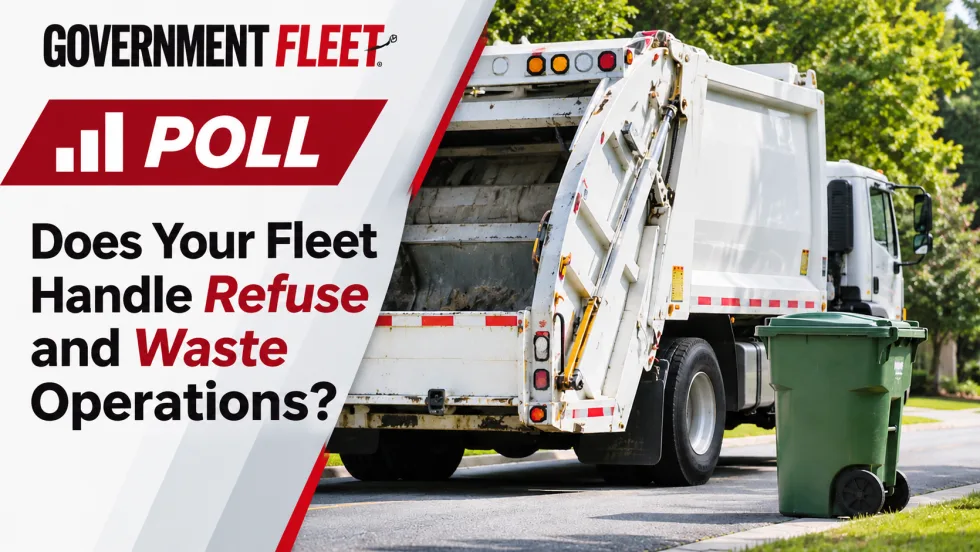
Does Your Government Fleet Handle Refuse and Waste Operations? Take Our Poll
Government Fleet wants to hear from public-sector fleet professionals about their responsibilities for refuse collection and waste management equipment.
Read More →
Fleet Replacement Decisions, Waste Fleet Technology and the GFX Deadline
Is your next vehicle the right fit, can your records settle a missed pickup dispute, and what could your fleet teach others at GFX 2027?
Read More →
Is Delaying Fleet Replacement Really Saving Money?
Could delaying replacement cost your fleet more than it saves? This week’s recap takes a closer look, plus an update on GFX 2027.
Read More →
What Government Fleets Are Missing About Their True Costs
What are fleet budgets missing, and how can agencies use the data they already collect to make a stronger case for change?
Read More →
Rethinking Fleet Decisions From the Budget Office to the Shop
This October we looked back at how public fleets are reconsidering familiar processes and using what they learn to make better decisions.
Read More →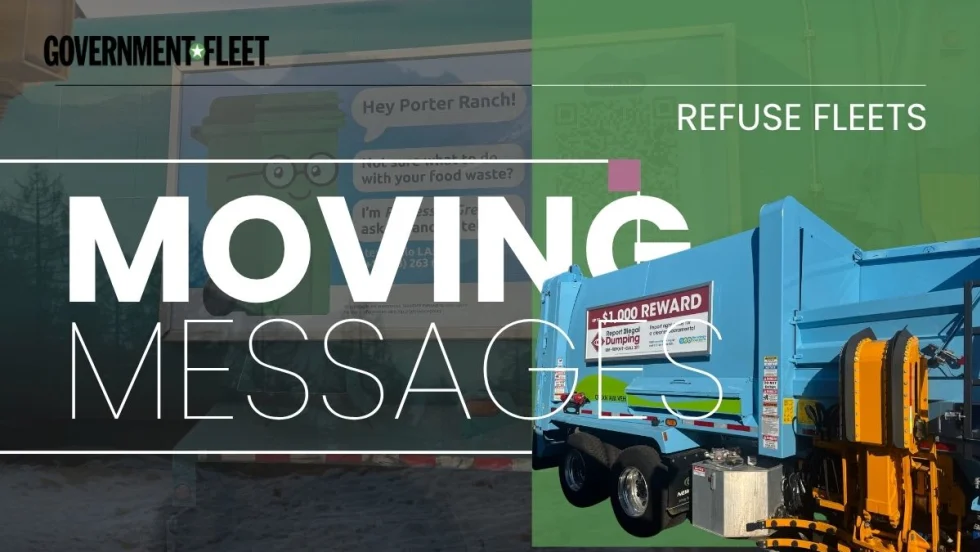
Who Owns the Message on a Refuse Truck?
Refuse trucks can carry public messages into neighborhoods, but keeping those messages current takes planning and clear responsibility.
Read More →
Who Deserves Fleet Recognition and What Could You Teach at GFX?
Who helped shape your fleet career, and what have you learned that could help someone else?
Read More →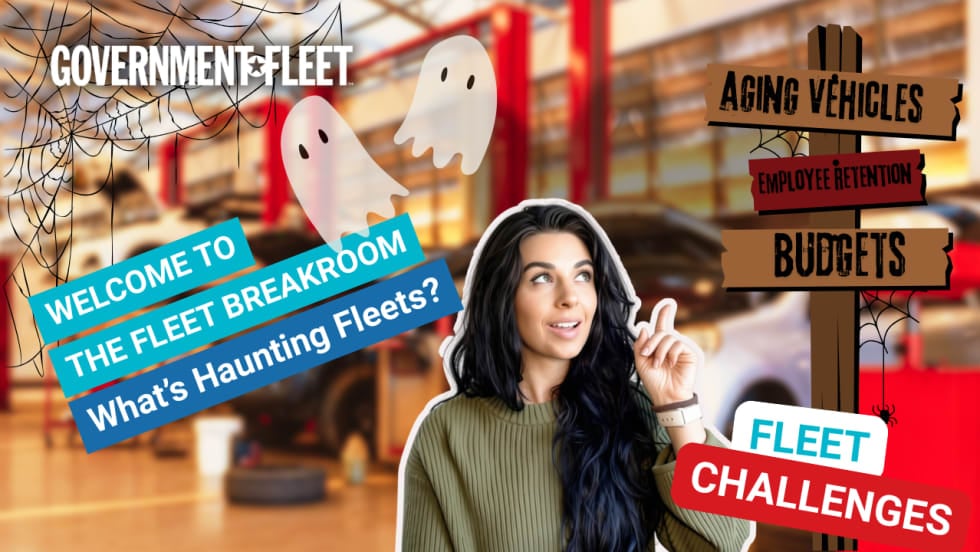
What’s Haunting Public Sector Fleets?
Public sector fleet challenges rarely happen in isolation, and addressing one often means understanding how it connects to another.
Read More →
Is Keeping Older Fleet Vehicles Really Saving Money?
Is keeping vehicles longer saving money, and what happens when a diagnostic test points to the wrong fix?
Read More →
How Smart Fleet Strategy Can Help Local Government Agencies Do More with Less
Keeping a vehicle longer may ease this year’s budget, but what does it cost the next one? A closer look at fleet decisions can reveal opportunities to reduce spending while protecting essential services.
Read More →