




Tennessee Golf Courses Go Electric
The state anticipates $80,000 in annual savings and the reduction of 350,000 lbs. of carbon dioxide emissions per year thanks to its battery-electric golf carts.


Stock photo via Pixabay
The Tennessee Department of Environment and Conservation (TDEC) has transitioned all of its 650 golf carts at nine Tennessee State Park courses from gasoline to electric. The agency anticipates $80,000 in annual savings, the reduction of 350,000 lbs. of carbon dioxide emissions per year, and an enhanced golfing experience due to noise reductions.
The state first acquired 222 battery-electric golf carts for three of its golf courses in 1996. It exchanged a batch of 218 gasoline-powered golf carts for electric models in 2014. In 2017, the remaining 210 gasoline carts were swapped for electric.
“The drive for this transition came from TDEC’s mission to protect the environment, a duty to the Tennessee taxpayer to save money, and a desire to create the best possible playing environment for our golfers,” said Mike Nixon, director of Tennessee State Parks golf operations.
In addition, Harrison Bay State Park near Chattanooga has swapped gasoline-powered maintenance equipment for electric where possible. Funding for the all-electric maintenance equipment at Harrison Bay was made possible by a Clean Tennessee Energy Grant through the Office of Policy and Sustainable Practices. The 18-piece fleet includes greens and approach mowers, bunker rakes, greens rollers, and utility vehicles.
The golf cart fleet is not the only way Tennessee State Park golf courses implement sustainable initiatives. State courses utilize progressive turf practices — including planting of native grasses that require less watering and fertilizer, and are wildlife-friendly. Harrison Bay features a bald eagle’s nest with a live camera so viewers anywhere in the world can peek inside the home the creatures have made.
Related: Mo. City Upgrades Golf Course Fleet
More Green Fleet
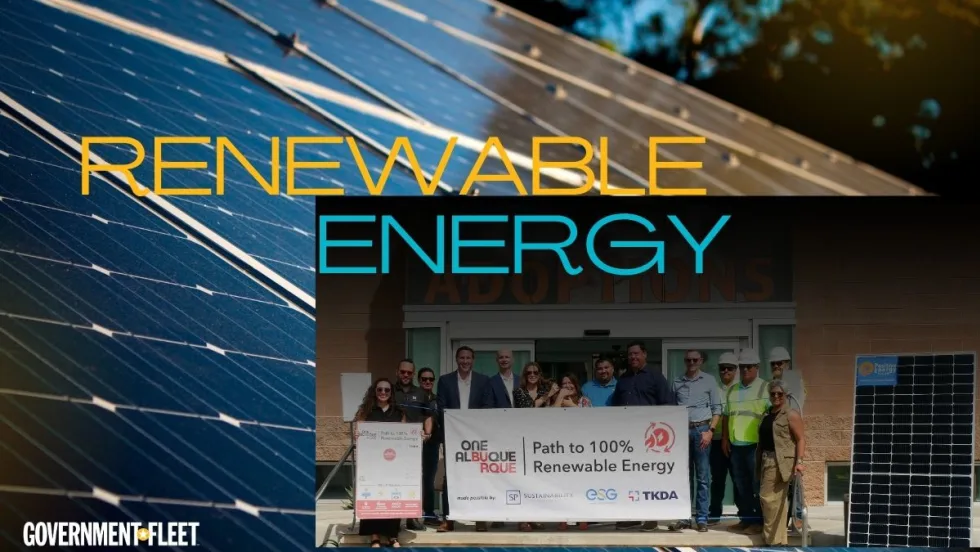
Sustainability Partners, Energy Systems Group Help Albuquerque Close the Gap on its 100% Renewable Energy Goal
The eight-site, 6 MW solar project has advanced the city toward 100% renewable energy for municipal operations.
Read More →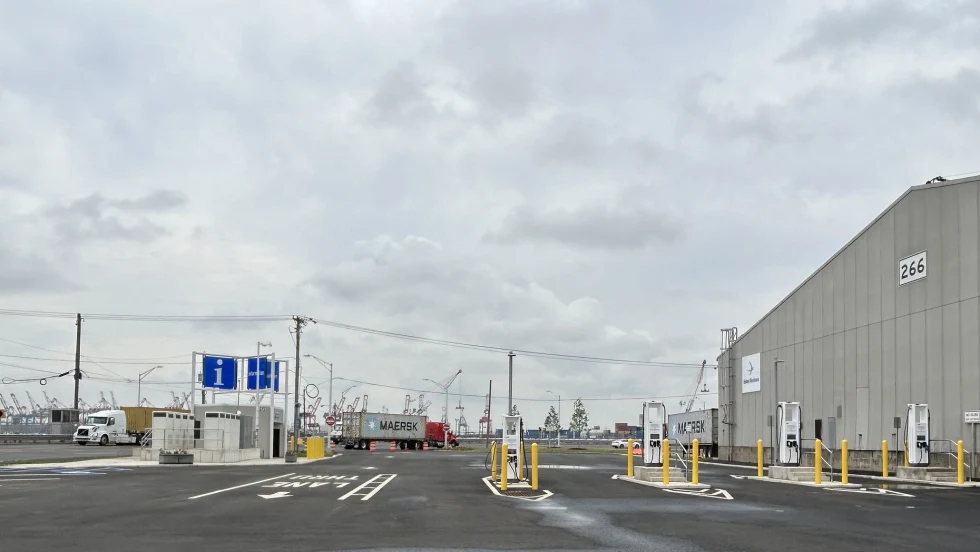
Port Authority and CALSTART Launch $45 Million Electric Truck and Charging Programs
The programs aim to boost sustainable operations across the East Coast's busiest seaport.
Read More →
Moving Government Fleets Beyond the Vehicle Purchase: EV as a Service
A discussion on how EVaaS is moving beyond pilot programs and what fleets should consider before beginning a larger deployment.
Read More →
Moving Government Fleets Beyond the Vehicle Purchase: EV as a Service
As fleets move beyond small EV pilots, Sustainability Partners CEO Adam Cain explains how EVaaS can address the infrastructure and long-term planning required for larger deployments.
Read More →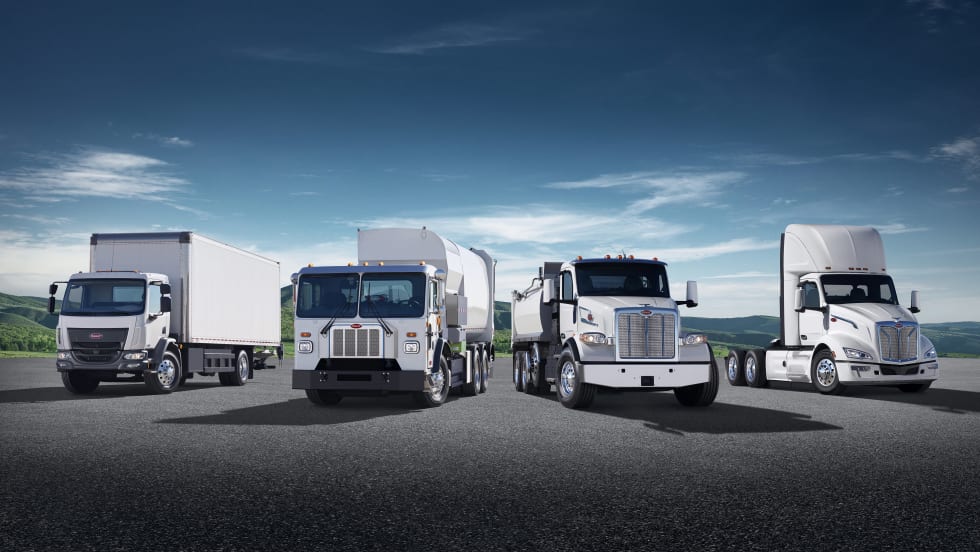
Peterbilt Expands Sourcewell Partnership with Electric Vehicle Lineup
The agreement aims to provide streamlined procurement of Peterbilt trucks for government, education, nonprofit and tribal organizations across the United States and Canada.
Read More →
EV Adoption & Charging Challenges
Where is your fleet in the journey of vehicle electrification? If you're still looking for answers to fleet electrification you've come to the right place.
Read More →
Hawaii Passes Clean Fuel Policy
Hawaii lawmakers passed clean fuel legislation that could support renewable natural gas production, biogas-powered transportation, and lower-carbon fueling options for public and commercial fleets.
Read More →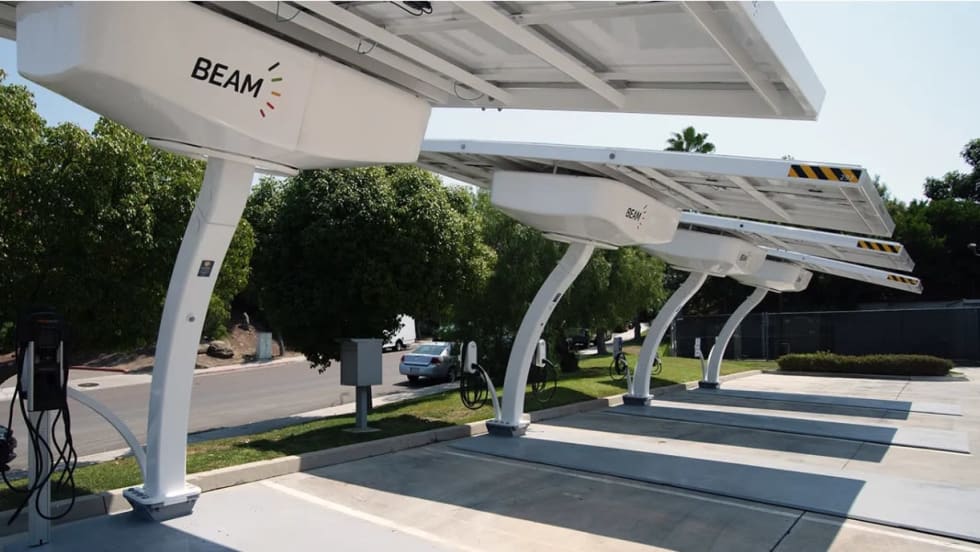
Stanislaus County Deploys Ten Beam Global EV ARC Systems to Support County Fleet Electrification
Stanislaus County deployed 10 off-grid solar-powered EV charging systems and a mobile charging trailer from Beam Global to support its electric fleet operations and emergency response flexibility.
Read More →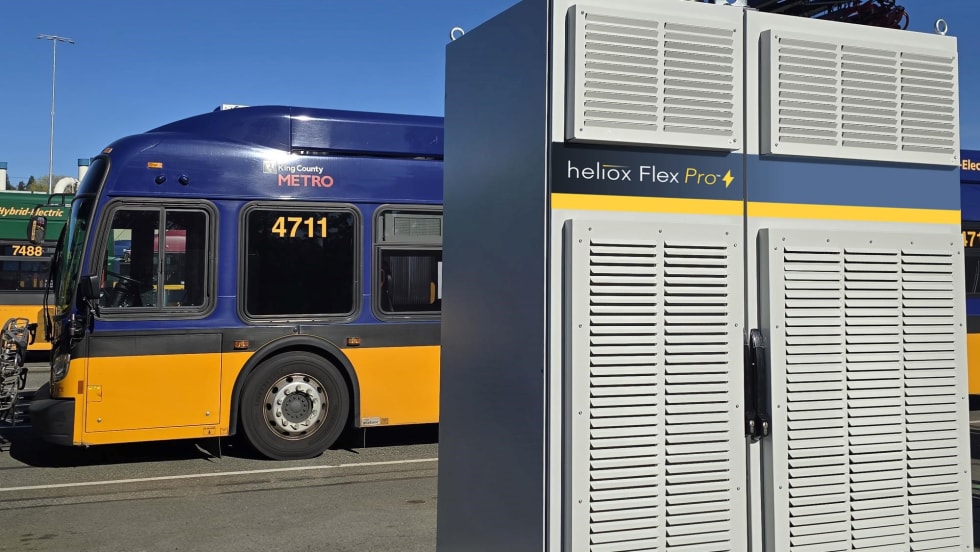
Heliox Pilots 480-kW Bus Charger with King County Metro
King County Metro is piloting Heliox’s new 480-kW Flex Pro charger to support expansion of its battery-electric bus fleet and depot charging infrastructure. The compact charging system supports pantograph and plug-in charging configurations for high-density transit operations.
Read More →