





Gas vs. Diesel: The Bad Investment Only Fleet Managers Know About
Study: Natural Gas Refuse Trucks Versus Battery Electric...What's More Green?
An analysis reveals natural gas refuse truck investments clear New Jersey air and decarbonize trash collection operations more dramatically and cost effectively.
November 3, 2020

3 min to read

An analysis reveals natural gas refuse truck investments clear New Jersey air and decarbonize trash collection operations more dramatically and cost effectively.
Photo: NGVAmerica
NGVAmerica released a study at its Annual Industry Summit presenting a compelling case for why communities should continue to invest in new near-zero natural gas technology. Using New Jersey as a case study, NGVAmerica analyzed the costs and impact of transitioning that state’s entire 10,000 refuse truck fleet from diesel to both natural gas and battery electric.
Not only do natural gas vehicle (NGV) refuse trucks – fueled by renewable natural gas (RNG), or biomethane, derived from above ground sources – outperform their electric counterparts when it comes to total NOx emission reductions well-to-wheel, they reduce more harmful CO2-equivalent greenhouse gas (GHG) emissions in total than the battery electric alternative.
In terms of criteria pollutants, the NGV fleet reduce 14,000 tons of NOx compared to only 9,700 tons for the battery fleet. In terms of GHGs, NGVs reduce 10.6 million tons of CO2. The all-electric fleet only achieves a 9.2 million-ton GHG reduction.
Furthermore, the cost difference to upgrade New Jersey’s 10,000 truck fleet from diesel to cleaner technologies is substantial – only an estimated $350 million in incremental costs for NGVs while a complete battery electric fleet conversion could cost between $3.5 and $4.2 billion.
It’s also important to note while RNG-fueled refuse trucks are slightly more costly than their diesel counterparts, electrification options could be up to two to three times more expensive, and electric versions offer less payload capacity than diesel and natural gas alternatives due to their heavy, bulky, and expansive battery storage needs.
The result is that electric refuse trucks are expected to collect less waste per load requiring either more trucks in deployment, more route miles driven, or reduced services to communities. Their inability to be charged and put into service in times of weather emergency or post-storm when the electric grid is down further complicates their practical long-term deployment.
“New Jersey leaders and policymakers should take note: not only do natural gas vehicles fueled by RNG outperform battery electric alternatives in terms of impactful NOx and GHG reductions, they are more cost effective and make far better investments of public tax dollars,” said NGVAmerica President Dan Gage. “Furthermore, this transition in New Jersey to cleaner natural gas refuse fleets is underway, with three-quarters of all New Jersey counties deploying natural gas refuse trucks already.”
Over 550 natural gas trucks are deployed in New Jersey today, serving 16 of the 21 counties in the state. To date, communities and businesses in New Jersey have invested more than $200 million in natural gas trucks and fueling infrastructure.
NGVA’s analysis, entitled “Cleaning the Air and Decarbonizing New Jersey with CNG Refuse Trucks,” details just why that investment should continue and be expanded. The report presents critical information on the benefits of natural gas in transportation and highlights the reasons why natural gas is the best solution for communities that want to immediately address urban pollution and reduce harmful emissions that contribute to climate change.
“A complete RNG-fueled refuse fleet in New Jersey would clearly outperform a complete battery electric fleet in terms of both reducing harmful NOx emissions and greenhouse gas emissions,” added Gage. “And New Jersey communities would achieve more clean air and better reduce their GHG footprint at a fraction of the cost by deploying NGVs versus unproven and cost-prohibitive infant battery electric technology.”
More Green Fleet
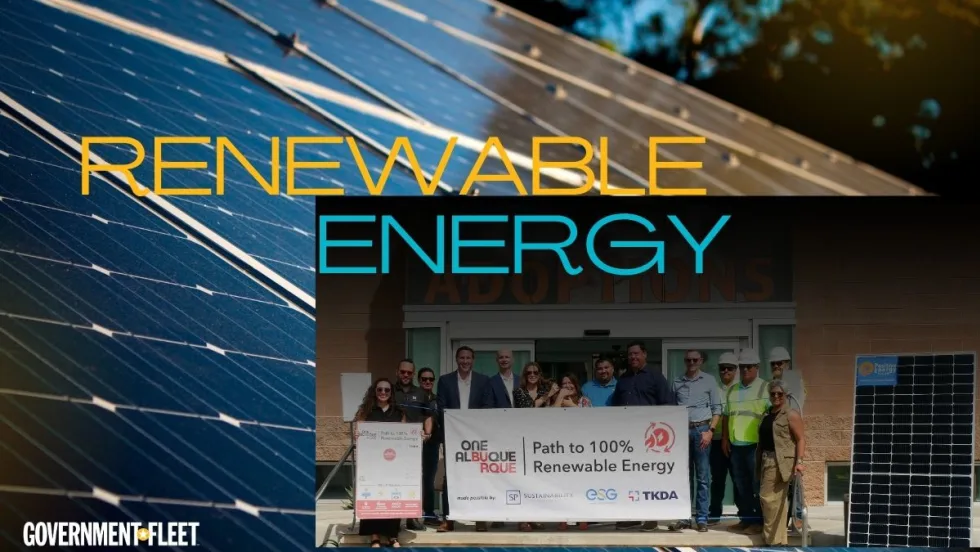
Sustainability Partners, Energy Systems Group Help Albuquerque Close the Gap on its 100% Renewable Energy Goal
The eight-site, 6 MW solar project has advanced the city toward 100% renewable energy for municipal operations.
Read More →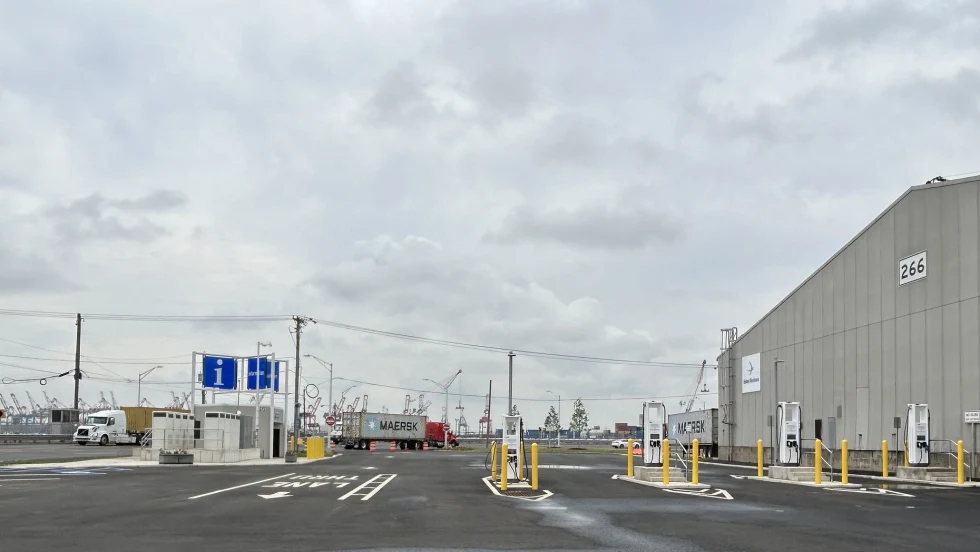
Port Authority and CALSTART Launch $45 Million Electric Truck and Charging Programs
The programs aim to boost sustainable operations across the East Coast's busiest seaport.
Read More →
Moving Government Fleets Beyond the Vehicle Purchase: EV as a Service
A discussion on how EVaaS is moving beyond pilot programs and what fleets should consider before beginning a larger deployment.
Read More →
Moving Government Fleets Beyond the Vehicle Purchase: EV as a Service
As fleets move beyond small EV pilots, Sustainability Partners CEO Adam Cain explains how EVaaS can address the infrastructure and long-term planning required for larger deployments.
Read More →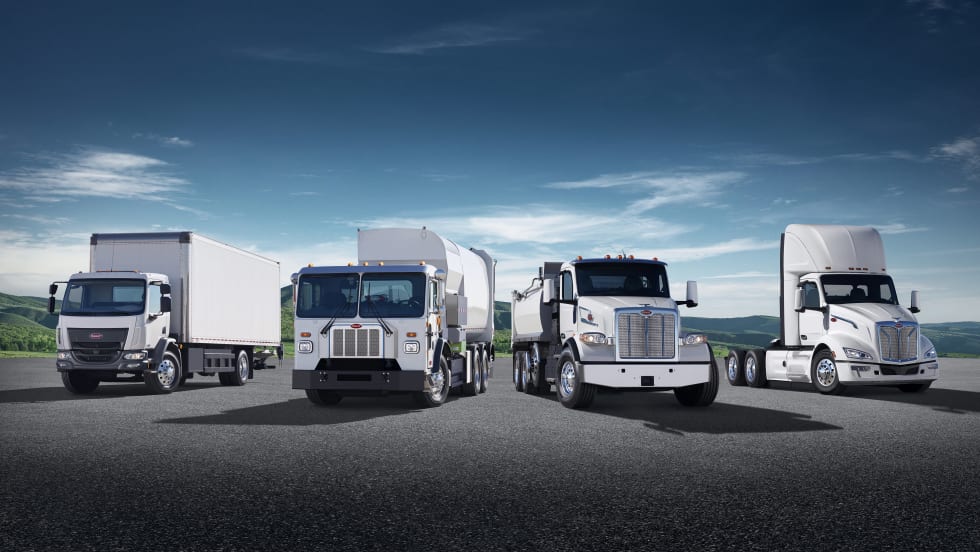
Peterbilt Expands Sourcewell Partnership with Electric Vehicle Lineup
The agreement aims to provide streamlined procurement of Peterbilt trucks for government, education, nonprofit and tribal organizations across the United States and Canada.
Read More →

EV Adoption & Charging Challenges
Where is your fleet in the journey of vehicle electrification? If you're still looking for answers to fleet electrification you've come to the right place.
Read More →
Hawaii Passes Clean Fuel Policy
Hawaii lawmakers passed clean fuel legislation that could support renewable natural gas production, biogas-powered transportation, and lower-carbon fueling options for public and commercial fleets.
Read More →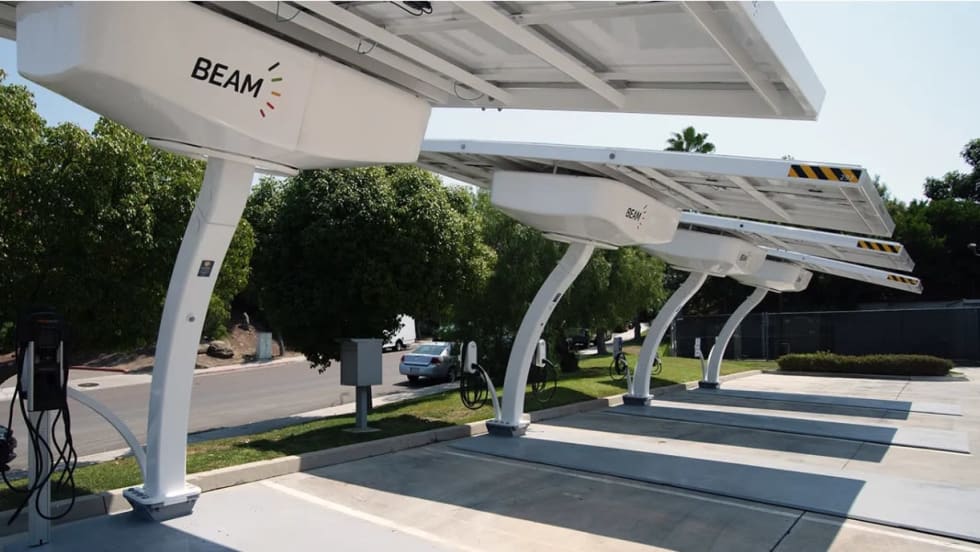
Stanislaus County Deploys Ten Beam Global EV ARC Systems to Support County Fleet Electrification
Stanislaus County deployed 10 off-grid solar-powered EV charging systems and a mobile charging trailer from Beam Global to support its electric fleet operations and emergency response flexibility.
Read More →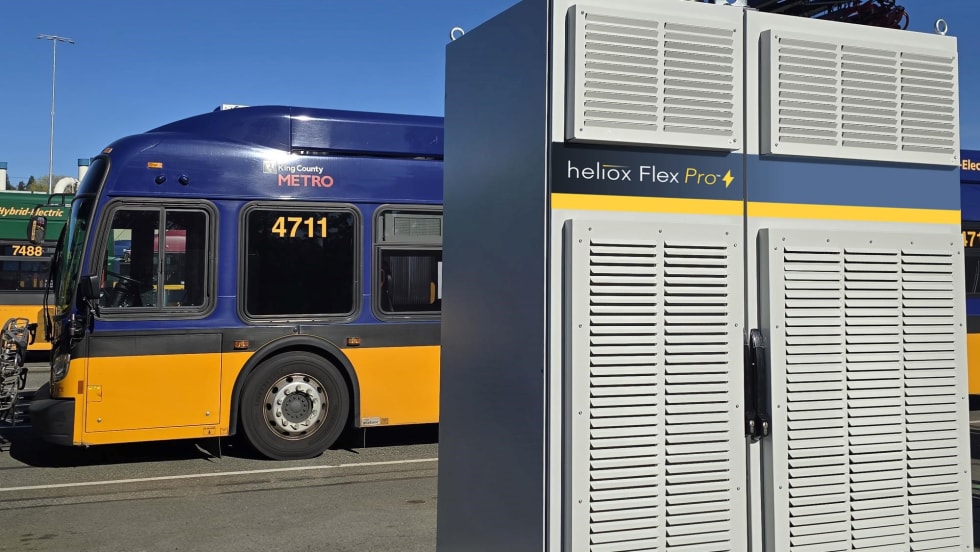
Heliox Pilots 480-kW Bus Charger with King County Metro
King County Metro is piloting Heliox’s new 480-kW Flex Pro charger to support expansion of its battery-electric bus fleet and depot charging infrastructure. The compact charging system supports pantograph and plug-in charging configurations for high-density transit operations.
Read More →