




Stricter Policy on Colorado Springs Police Take-Home Vehicles
COLORADO SPRINGS, CO - A new policy is in effect for stricter controls on take-home vehicles at the Colorado Springs Police Department in Colorado.
COLORADO SPRINGS, CO - A new policy is in effect for take-home vehicles at the Colorado Springs Police Department (CSPD) in Colorado, reports KRDO.com.
In November and December of 2009, questions were raised about the size and management of vehicles used by CSPD. As a result, CSPD has re-vamped the department's rules and regulations on the usage of department vehicles.
Take-home vehicle privileges will be restricted to a 15-mile radius from a designated ground point. Employees with assigned take-home vehicles who fall outside the 15-mile radius may park their department vehicle at the nearest Police facility to their home.
All operators will also be required to fill out a monthly log. Officers using take-home vehicles will not be allowed to make any personal stops between work and home.
The new policy comes as the police department is cutting back. In 2009 the department had 643 patrol cars. By the end of 2010, there will only be 575. "Five or six years ago the department spent $1.4 million for take-home and patrol cruisers; now [it's] down to $360,000," Deputy Chief Pete Carey said.
Even with funding going down, the number of take-home cars will remain the same. There are 85 assigned for the 2010 year, compared to 82 in 2009.
Police defend the use of take-home vehicles, according to KRDO.com. "Officers that have take home cars are available a lot quicker to respond to things like SWAT, homicides and violent crimes, so they can start the investigation and make an arrest that much quicker," Carey explained.
More Operations
What Can Disappear After a Fleet Crash?
This week, we look at drone footage, what fleets should document before repairs begin, and share a quick poll.
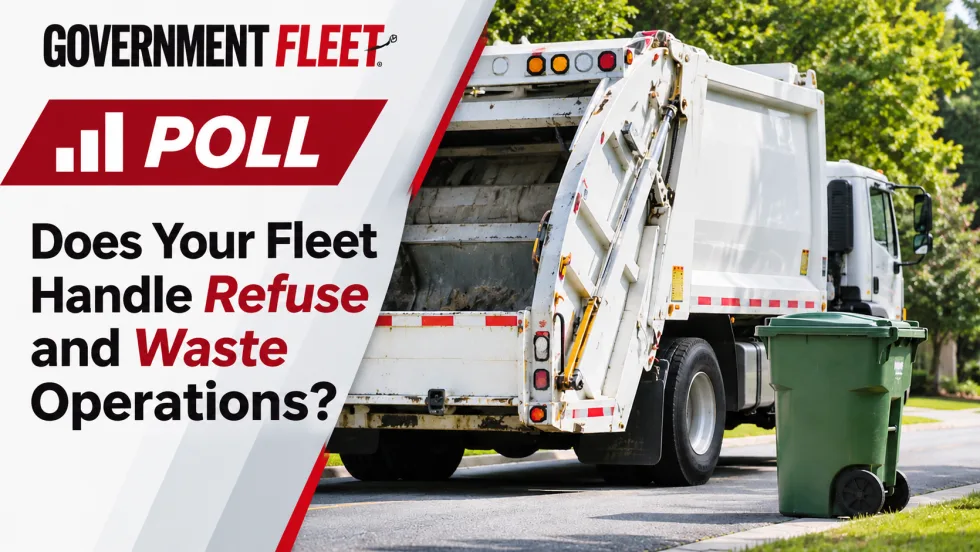
Does Your Government Fleet Handle Refuse and Waste Operations? Take Our Poll
Government Fleet wants to hear from public-sector fleet professionals about their responsibilities for refuse collection and waste management equipment.
Fleet Replacement Decisions, Waste Fleet Technology and the GFX Deadline
Is your next vehicle the right fit, can your records settle a missed pickup dispute, and what could your fleet teach others at GFX 2027?
Is Delaying Fleet Replacement Really Saving Money?
Could delaying replacement cost your fleet more than it saves? This week’s recap takes a closer look, plus an update on GFX 2027.

What Government Fleets Are Missing About Their True Costs
What are fleet budgets missing, and how can agencies use the data they already collect to make a stronger case for change?
Rethinking Fleet Decisions From the Budget Office to the Shop
This October we looked back at how public fleets are reconsidering familiar processes and using what they learn to make better decisions.
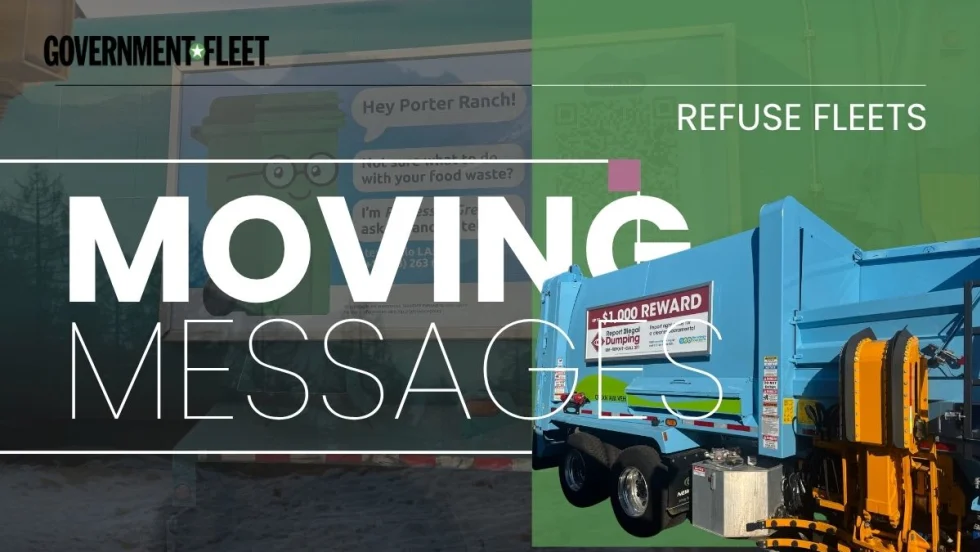
Who Owns the Message on a Refuse Truck?
Refuse trucks can carry public messages into neighborhoods, but keeping those messages current takes planning and clear responsibility.
Who Deserves Fleet Recognition and What Could You Teach at GFX?
Who helped shape your fleet career, and what have you learned that could help someone else?

What’s Haunting Public Sector Fleets?
Public sector fleet challenges rarely happen in isolation, and addressing one often means understanding how it connects to another.

Is Keeping Older Fleet Vehicles Really Saving Money?
Is keeping vehicles longer saving money, and what happens when a diagnostic test points to the wrong fix?