




State of Maryland to Increase Ethanol Pumps
MARYLAND – Maryland Gov. Martin O’Malley has announced plans to build ethanol pump stations around Maryland so the state’s 1,200 flex-fuel vehicles can more easily fill up with the renewable fuel,
MARYLAND – Maryland Gov. Martin O’Malley has announced plans to build ethanol pump stations around Maryland so the state’s 1,200 flex-fuel vehicles can more easily fill up with the renewable fuel, according to www.baltimoresun.com.
The state has never been able to meet a goal set more than seven years ago under Gov. Parris N. Glendening’s administration that flex-fuel vehicles in the state’s fleet use alternative fuels half the time on average. State auditors have criticized the Maryland Energy Administration several times for falling short of that goal and making no formal timetable to meet it.
The main problem has been a lack of infrastructure. When O’Malley took office last year, the state had one ethanol pump as part of its network of refueling stations for government vehicles. Two more ethanol pumps have been added in recent months, and the governor said four more will be built in the next year. The pumps will supply E-85 fuel.
Recently, the governor announced that the state transit administration would add as many as 500 hybrid-electric buses to its fleet by 2014.
In addition to ethanol pumps in Annapolis, Baltimore, and Hanover, the state plans to place the pumps — each of which costs more than $100,000 — in Easton, Hagerstown, La Plata, and Salisbury. The state adds about 200 flex-fuel vehicles to its fleet of 9,000 light-duty vehicles annually and has negotiated bulk prices of about $2.92 for a gallon of E-85, compared with $3.14 for a gallon of regular gas.
O’Malley also announced a mandate that, whenever possible, the state’s 2,000 diesel vehicles use biodiesel fuel, which can include fuels made from chicken fat and soybean oil.
More Green Fleet
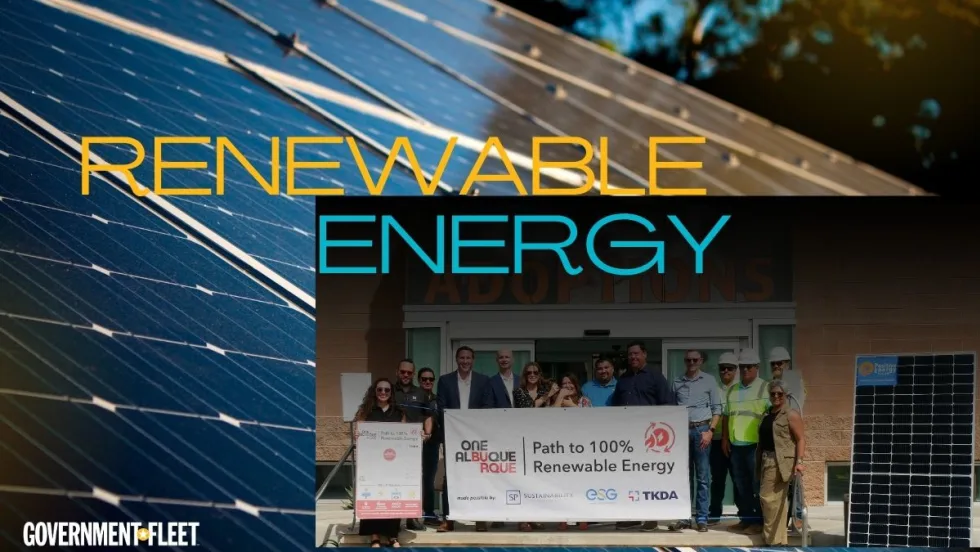
Sustainability Partners, Energy Systems Group Help Albuquerque Close the Gap on its 100% Renewable Energy Goal
The eight-site, 6 MW solar project has advanced the city toward 100% renewable energy for municipal operations.
Read More →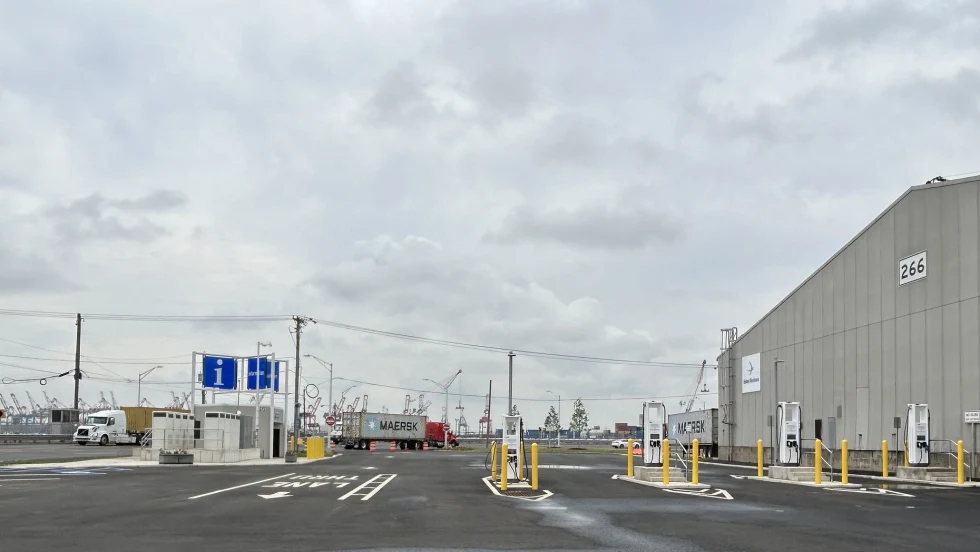
Port Authority and CALSTART Launch $45 Million Electric Truck and Charging Programs
The programs aim to boost sustainable operations across the East Coast's busiest seaport.
Read More →
Moving Government Fleets Beyond the Vehicle Purchase: EV as a Service
A discussion on how EVaaS is moving beyond pilot programs and what fleets should consider before beginning a larger deployment.
Read More →
Moving Government Fleets Beyond the Vehicle Purchase: EV as a Service
As fleets move beyond small EV pilots, Sustainability Partners CEO Adam Cain explains how EVaaS can address the infrastructure and long-term planning required for larger deployments.
Read More →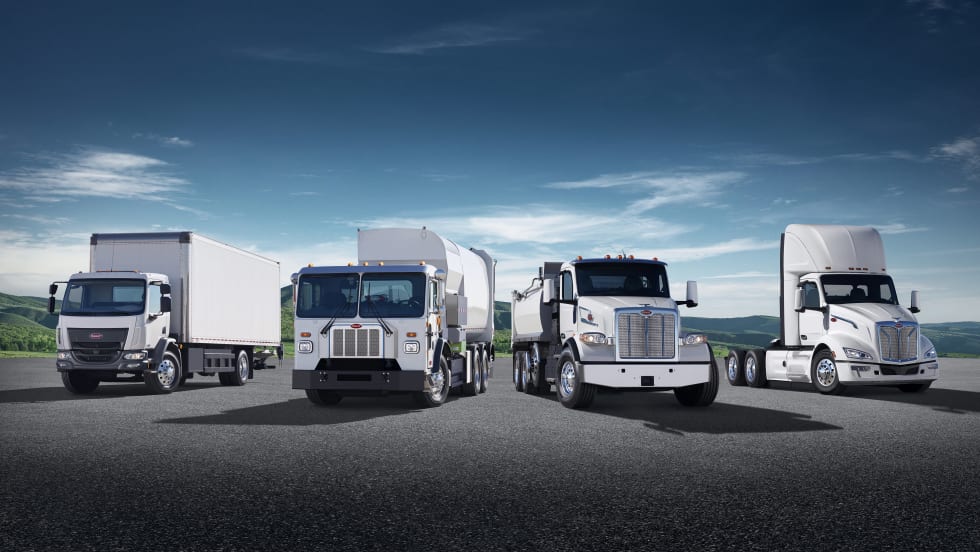
Peterbilt Expands Sourcewell Partnership with Electric Vehicle Lineup
The agreement aims to provide streamlined procurement of Peterbilt trucks for government, education, nonprofit and tribal organizations across the United States and Canada.
Read More →
EV Adoption & Charging Challenges
Where is your fleet in the journey of vehicle electrification? If you're still looking for answers to fleet electrification you've come to the right place.
Read More →
Hawaii Passes Clean Fuel Policy
Hawaii lawmakers passed clean fuel legislation that could support renewable natural gas production, biogas-powered transportation, and lower-carbon fueling options for public and commercial fleets.
Read More →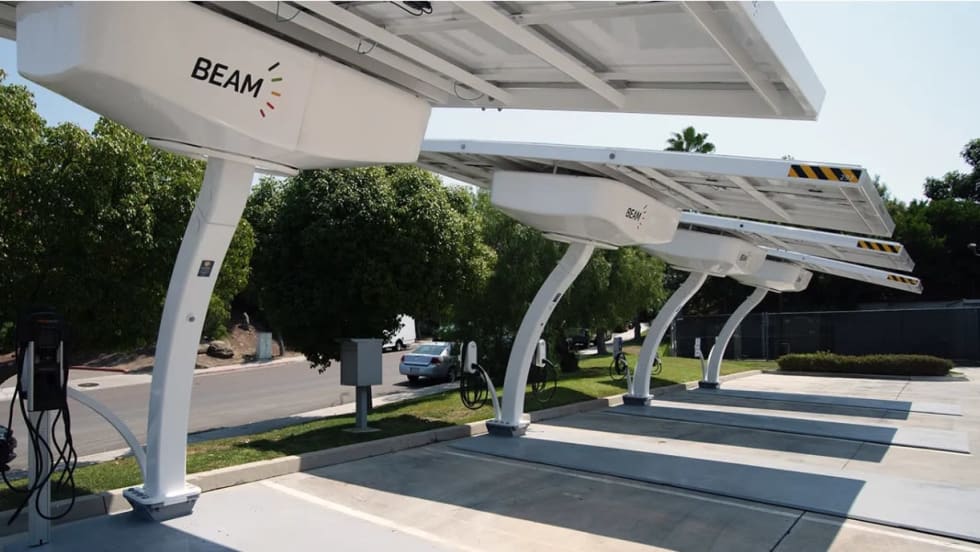
Stanislaus County Deploys Ten Beam Global EV ARC Systems to Support County Fleet Electrification
Stanislaus County deployed 10 off-grid solar-powered EV charging systems and a mobile charging trailer from Beam Global to support its electric fleet operations and emergency response flexibility.
Read More →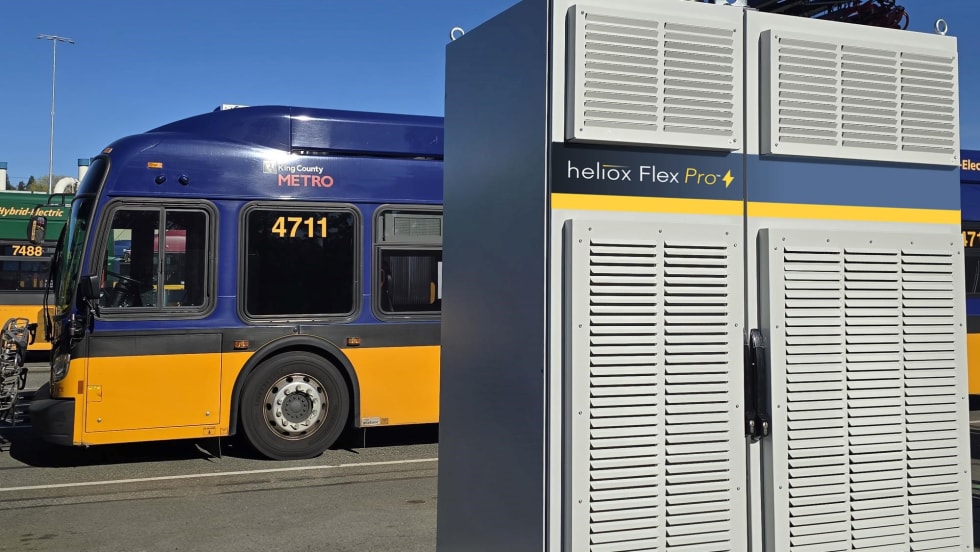
Heliox Pilots 480-kW Bus Charger with King County Metro
King County Metro is piloting Heliox’s new 480-kW Flex Pro charger to support expansion of its battery-electric bus fleet and depot charging infrastructure. The compact charging system supports pantograph and plug-in charging configurations for high-density transit operations.
Read More →