




Signal Control Gets "Ok"
BURNABY, B.C. - Burnaby city councilors hope a high-tech traffic control system will prevent crashes between residents and emergency vehicles.
BURNABY, B.C. - Burnaby city councilors hope a high-tech traffic control system will prevent crashes between residents and emergency vehicles, according to http://www.canada.com.
Recently, the Burnaby council approved a $3-million system that gives police cars and fire trucks the ability to change traffic signals during emergencies.
Using global positioning satellite (GPS) technology, the system sends a signal that changes the operation of traffic lights, giving emergency vehicles priority.
"With survival rates critical to the arrival time of emergency crews, this can add up to several minutes saved over the route travelled," a staff report from Burnaby Fire Chief Bob Cook says."Collisions involving emergency responders can also be reduced."
Different kinds of vehicles would trigger a different kind of response from traffic signals, and the GPS system would be able to calculate the speed of the emergency vehicle and time the signal change in response, the report notes.
Currently, Burnaby has 218 signalized city-owned traffic signals and seven owned by the Ministry of Transportation. The city's fire department has 25 vehicles that would be equipped with the new system, while the Burnaby RCMP has 135. Certain city vehicles may also be equipped for disaster response in the future, the report states.
A spokesperson for the Canadian Union of Public Employees' Union Local 873 said response times for some life-threatening calls are talking up to 14 minutes, five minutes past the provincial standard.
A staff report suggests increasing congestion is also a factor for emergency response times in the city. "Burnaby's complex road environment and traffic congestion has increased to the point where emergency response times are being compromised," the report notes.
More Operations
Rethinking Fleet Decisions From the Budget Office to the Shop
This October we looked back at how public fleets are reconsidering familiar processes and using what they learn to make better decisions.
Read More →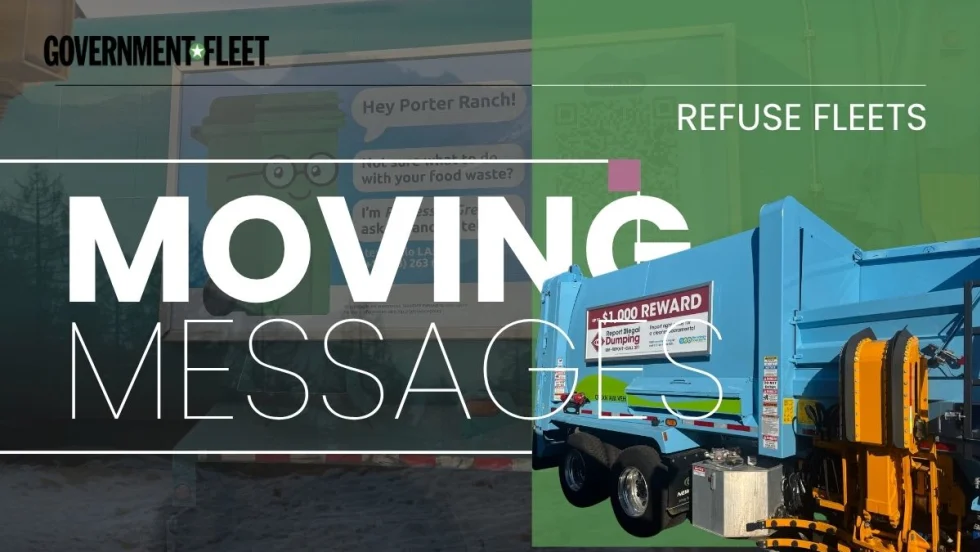
Who Owns the Message on a Refuse Truck?
Refuse trucks can carry public messages into neighborhoods, but keeping those messages current takes planning and clear responsibility.
Read More →
Who Deserves Fleet Recognition and What Could You Teach at GFX?
Who helped shape your fleet career, and what have you learned that could help someone else?
Read More →
What’s Haunting Public Sector Fleets?
Public sector fleet challenges rarely happen in isolation, and addressing one often means understanding how it connects to another.
Read More →
Is Keeping Older Fleet Vehicles Really Saving Money?
Is keeping vehicles longer saving money, and what happens when a diagnostic test points to the wrong fix?
Read More →
How Smart Fleet Strategy Can Help Local Government Agencies Do More with Less
Keeping a vehicle longer may ease this year’s budget, but what does it cost the next one? A closer look at fleet decisions can reveal opportunities to reduce spending while protecting essential services.
Read More →
Connect with Government Fleet on LinkedIn
From industry news and fleet management strategies to conversations with peers, Government Fleet's LinkedIn page offers public-sector fleet professionals another way to stay informed and connected.
Read More →
Town of Queen Creek Named Most Successful Fleet Award Winner of Inaugural RTA Fleet Success Awards
Five fleets were honored at RTA Connect 2026 in Chicago for excellence across resource efficiency, intentional culture, risk management, and stakeholder satisfaction.
Read More →
A buyer's guide to fleet management software in 2027
Buying fleet management software in 2027 means looking beyond features and price. As fleet operations, technology and expectations evolve, this guide explores what today’s fleet professionals should consider when choosing a system that can deliver value now and adapt to what comes next.
Read More →
Hazard Alerts, Fleet Car Sales Rise and a New Shuttle Concept
Fleet car sales doubled, but the bigger picture tells a different story in this week’s roundup.
Read More →