




Seattle’s Contractors Switch to Fossil-Fuel-Free Refuse Fleet
Seattle's “green" collection fleet will be made up of nearly 200 contractor trucks powered by electricity, renewable natural gas, and renewable diesel.


Seattle Public Utilities' green fleet will include 91 Waste Management trucks powered by renewable natural gas (RNG).
Photo courtesy of City of Seattle
The City of Seattle has partnered with its refuse and recycling collection contractors to roll out a fossil-fuel-free primary collection fleet. This “green fleet” will make made up of nearly 200 contractor trucks powered by electricity, renewable natural gas, and renewable diesel, according to the city.
“Meeting our 2050 carbon-neutral goal will require creative thinking from every corner of our city. Our new green fleet at Seattle Public Utilities is another example of Seattle leading the world and taking bold action to protect our communities from the impacts of climate change,” said Mayor Jenny Durkan.
The city expects to have rolled out the full green fleet by early 2020. The fleet includes two first-in-the-nation 100% electric Class 8 rear load trucks, plus four mid-size trucks for smaller routes and container delivery, and 12 small hybrid or full electric-support trucks or cars. Most of the roughly 200-vehicle green fleet started servicing Seattle Public Utilities customer routes in spring 2019. The remaining vehicles, including one of two all-electric route trucks, will be put into service in summer and fall 2019. The second all-electric route truck will be put into service in 2020.
The green fleet includes 91 Waste Management trucks powered by renewable natural gas (RNG) — gas from garbage. RNG begins as a biogas when trash decays in landfills. Waste Management cleans the gas and loads it into the national pipeline system. RNG is not a fossil fuel, and it generates dramatically lower emissions — 70% lower than traditional diesel and 65% lower than compressed natural gas (CNG). The Environmental Protection Agency classifies RNG as a renewable fuel.
The fleet also includes 80 Recology trucks that are powered by renewable diesel, produced from a range of renewable feedstocks, such as vegetable waste, soybean oil, and animal tallow. Benefits include increased energy security, since the fuel can be produced using a variety of widely-available feedstocks, and lower emissions — approximately 30% lower when compared to CNG and 65% lower compared to traditional diesel. Both renewable natural gas and renewable diesel trucks produce near-zero or ultra-low emissions, according to the city, further reducing impacts from Seattle’s fleets.
More Green Fleet
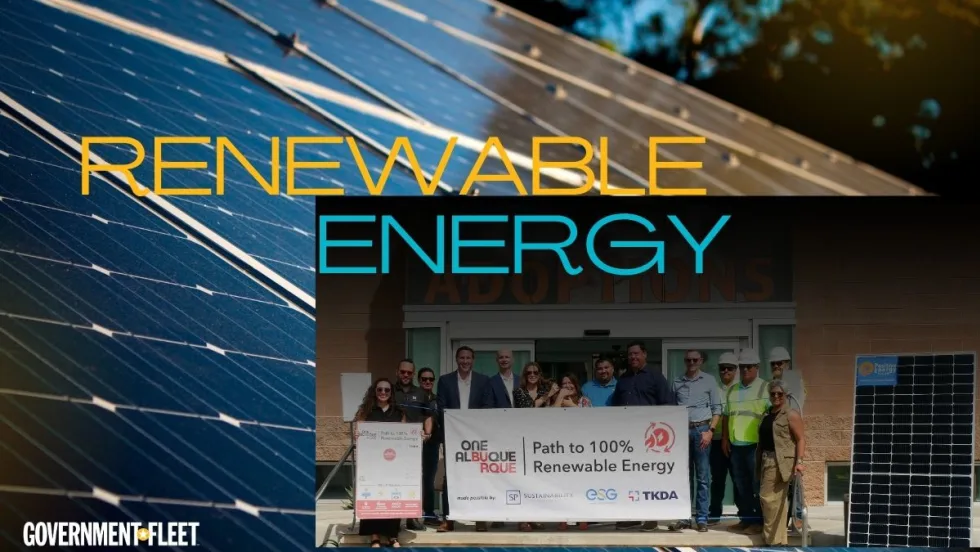
Sustainability Partners, Energy Systems Group Help Albuquerque Close the Gap on its 100% Renewable Energy Goal
The eight-site, 6 MW solar project has advanced the city toward 100% renewable energy for municipal operations.
Read More →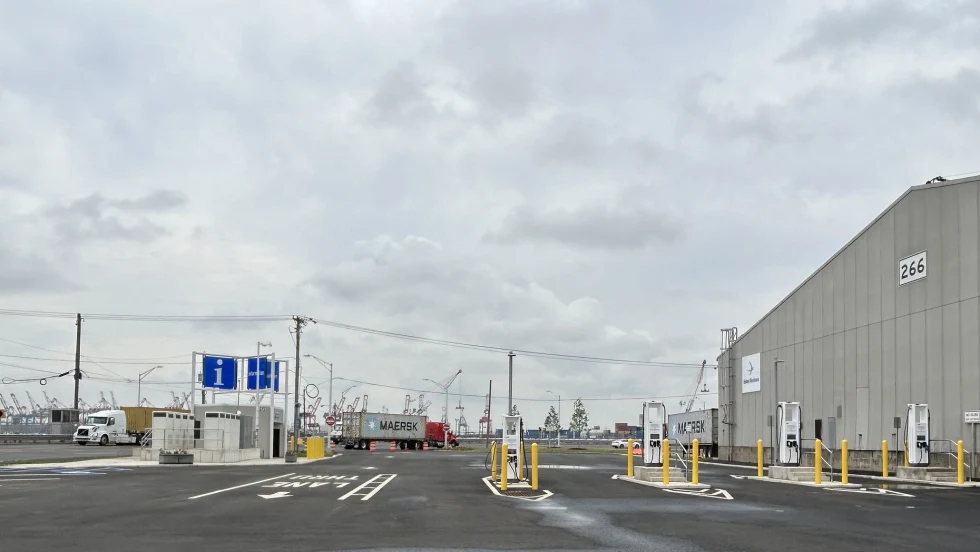
Port Authority and CALSTART Launch $45 Million Electric Truck and Charging Programs
The programs aim to boost sustainable operations across the East Coast's busiest seaport.
Read More →
Moving Government Fleets Beyond the Vehicle Purchase: EV as a Service
A discussion on how EVaaS is moving beyond pilot programs and what fleets should consider before beginning a larger deployment.
Read More →
Moving Government Fleets Beyond the Vehicle Purchase: EV as a Service
As fleets move beyond small EV pilots, Sustainability Partners CEO Adam Cain explains how EVaaS can address the infrastructure and long-term planning required for larger deployments.
Read More →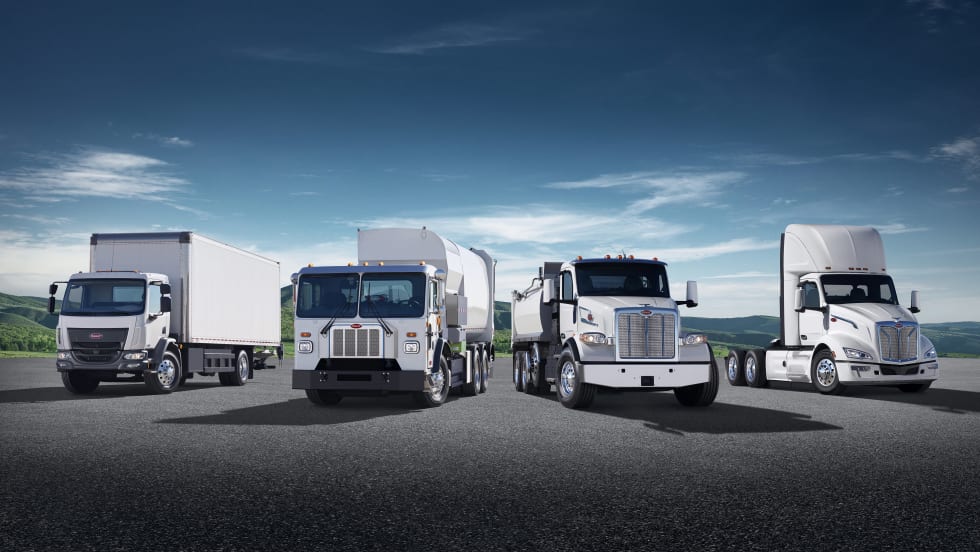
Peterbilt Expands Sourcewell Partnership with Electric Vehicle Lineup
The agreement aims to provide streamlined procurement of Peterbilt trucks for government, education, nonprofit and tribal organizations across the United States and Canada.
Read More →

EV Adoption & Charging Challenges
Where is your fleet in the journey of vehicle electrification? If you're still looking for answers to fleet electrification you've come to the right place.
Read More →
Hawaii Passes Clean Fuel Policy
Hawaii lawmakers passed clean fuel legislation that could support renewable natural gas production, biogas-powered transportation, and lower-carbon fueling options for public and commercial fleets.
Read More →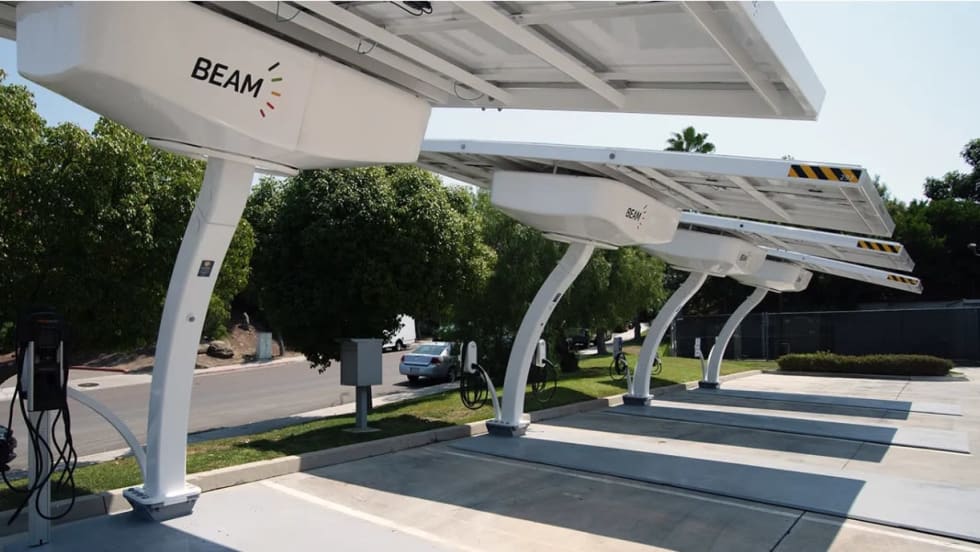
Stanislaus County Deploys Ten Beam Global EV ARC Systems to Support County Fleet Electrification
Stanislaus County deployed 10 off-grid solar-powered EV charging systems and a mobile charging trailer from Beam Global to support its electric fleet operations and emergency response flexibility.
Read More →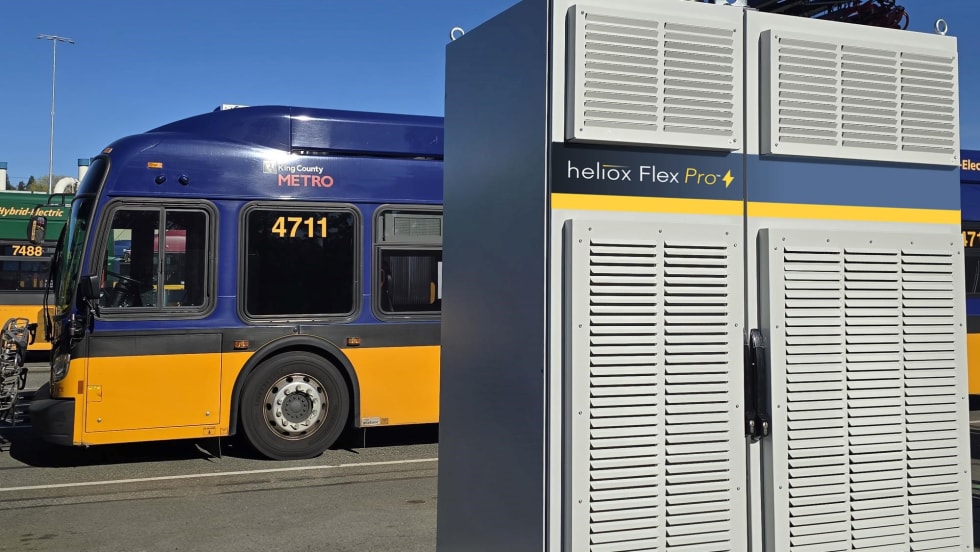
Heliox Pilots 480-kW Bus Charger with King County Metro
King County Metro is piloting Heliox’s new 480-kW Flex Pro charger to support expansion of its battery-electric bus fleet and depot charging infrastructure. The compact charging system supports pantograph and plug-in charging configurations for high-density transit operations.
Read More →