




San Francisco City Fleet Ramps Up Biodiesel Use
SAN FRANCISCO – San Francisco Mayor Gavin Newsom recently signed an Executive Directive to accelerate the pace of biodiesel use in city fleets. The city has been a long-term user of a B-20 biodiesel blend (80-percent petroleum diesel, 20-percent biodiesel) with the San Francisco Airport, Department of Public Works, MUNI buses, San Francisco Zoo, and ferries using the fuel successfully.
SAN FRANCISCO – San Francisco Mayor Gavin Newsom recently signed an Executive Directive to accelerate the pace of biodiesel use in city fleets. The city has been a long-term user of a B-20 biodiesel blend (80-percent petroleum diesel, 20-percent biodiesel) with the San Francisco Airport, Department of Public Works, MUNI buses, San Francisco Zoo, and ferries using the fuel successfully. The directive calls for fleet managers to identify vehicles that can be quickly transitioned to B-20 use and make the necessary preparations for this transition. All diesel-using departments are required to begin using biodiesel as soon as feasible with the following targets — 25-percent use of B-20 by Mar. 31, 2007, and 100-percent use by Dec. 31, 2007. San Francisco uses about eight million gallons of diesel a year, so the shift to B-20 will result in significant petroleum displacement and emissions reduction. In related news, the San Francisco Fire Department has announced a pilot program to test B-20 in two fire trucks, six engines, and one ambulance. The pilot will be conducted in the southeastern part of the city, which struggles with poor air quality. The Fire Department hopes to expand biodiesel use pending the successful completion of the pilot.
More Operations

What Government Fleets Are Missing About Their True Costs
What are fleet budgets missing, and how can agencies use the data they already collect to make a stronger case for change?
Read More →
Rethinking Fleet Decisions From the Budget Office to the Shop
This October we looked back at how public fleets are reconsidering familiar processes and using what they learn to make better decisions.
Read More →
Who Owns the Message on a Refuse Truck?
Refuse trucks can carry public messages into neighborhoods, but keeping those messages current takes planning and clear responsibility.
Read More →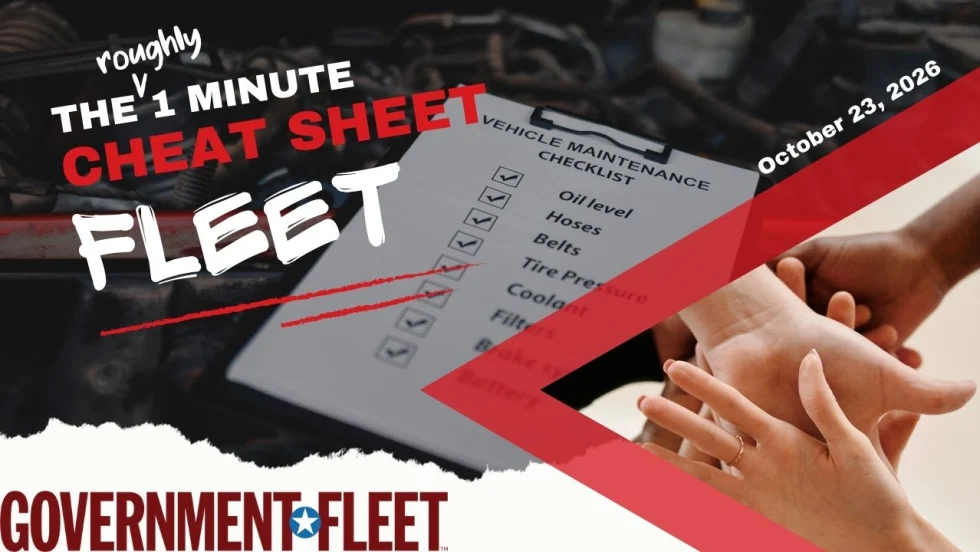
Who Deserves Fleet Recognition and What Could You Teach at GFX?
Who helped shape your fleet career, and what have you learned that could help someone else?
Read More →
What’s Haunting Public Sector Fleets?
Public sector fleet challenges rarely happen in isolation, and addressing one often means understanding how it connects to another.
Read More →
Is Keeping Older Fleet Vehicles Really Saving Money?
Is keeping vehicles longer saving money, and what happens when a diagnostic test points to the wrong fix?
Read More →
How Smart Fleet Strategy Can Help Local Government Agencies Do More with Less
Keeping a vehicle longer may ease this year’s budget, but what does it cost the next one? A closer look at fleet decisions can reveal opportunities to reduce spending while protecting essential services.
Read More →
Connect with Government Fleet on LinkedIn
From industry news and fleet management strategies to conversations with peers, Government Fleet's LinkedIn page offers public-sector fleet professionals another way to stay informed and connected.
Read More →
Town of Queen Creek Named Most Successful Fleet Award Winner of Inaugural RTA Fleet Success Awards
Five fleets were honored at RTA Connect 2026 in Chicago for excellence across resource efficiency, intentional culture, risk management, and stakeholder satisfaction.
Read More →
A buyer's guide to fleet management software in 2027
Buying fleet management software in 2027 means looking beyond features and price. As fleet operations, technology and expectations evolve, this guide explores what today’s fleet professionals should consider when choosing a system that can deliver value now and adapt to what comes next.
Read More →