




Sacramento to Fuel Refuse Vehicles with Renewable Natural Gas
The City of Sacramento, Calif., is taking its greening efforts a step further this October - its compressed natural gas (CNG) trucks will soon be fueling with CNG produced from food waste.
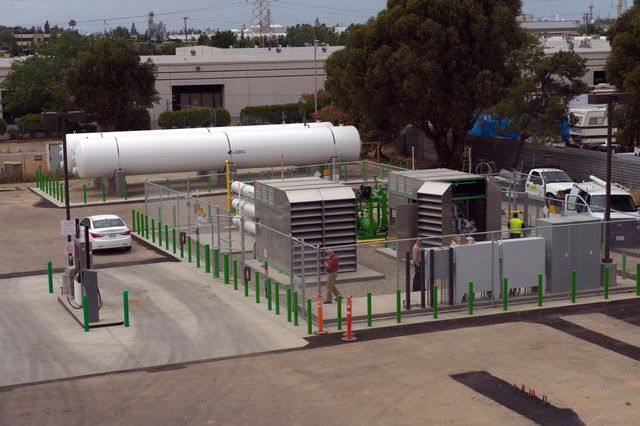
The Clean Energy/Atlas Disposal CNG fueling facility dispenses natural gas sourced from the BioDigester supplemented by pipeline natural gas. Photo courtesy of Atlas Disposal.
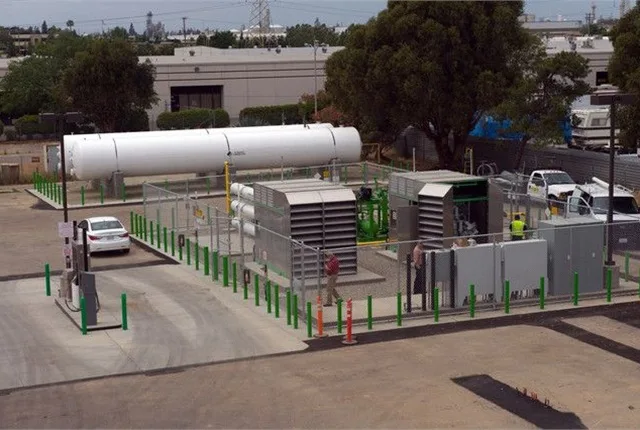
The Clean Energy/Atlas Disposal CNG fueling facility dispenses natural gas sourced from the BioDigester supplemented by pipeline natural gas. Photo courtesy of Atlas Disposal.
The City of Sacramento, Calif., is taking its greening efforts a step further this October - its compressed natural gas (CNG) trucks will soon be fueling with CNG produced from food waste. In June, Clean World, which constructed the Sacramento BioDigester, began providing renewable CNG to the adjacent CNG fueling station, owned by Atlas Disposal and operated by Clean Energy Fuels. The station dispenses natural gas sourced from the digester supplemented by pipeline natural gas. Atlas Disposal, a Sacramento-based waste and recycling removal company, is already fueling 17 CNG refuse haulers at the facility.
According to City of Sacramento Fleet Manager Keith Leech, the City has established a sourcing agreement for up to 2,500 gallons of CNG per week with at least 30% renewable CNG at the fueling station. This will be used to fuel 14 new CNG trucks expected to be delivered in October – 11 Autocar rear loaders and three Freightliner Elgin Broom Bear sweepers.
The new vehicles all have Cummins ISLG engines, and Leech said the CNG from the BioDigester meets Cummins specifications for their ISLG engines. Cost per gallon for the 30% renewable fuel is half the cost of diesel per gasoline gallon equivalent.
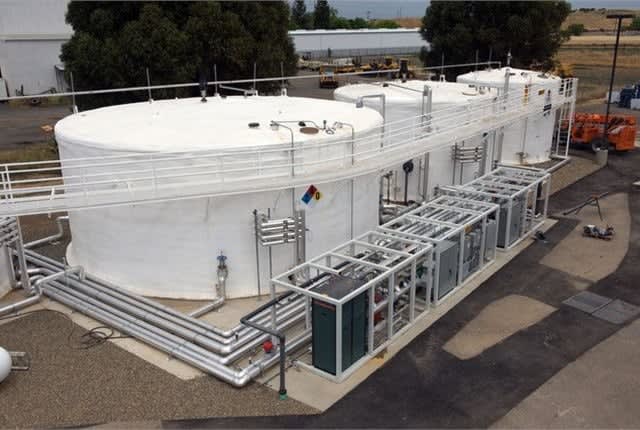
The Sacramento BioDigester converts food wate into renewable energy. Photo courtesy of Atlas Disposal.
Leech said while the cost to purchase a CNG vehicle can be 20-25% higher than the cost of a clean diesel vehicle, fuel savings projected during the useful life of these CNG trucks is greater than the incremental cost. Carbon credits associated with the demand and production of renewable natural gas may lead to better pricing as well.
"The City of Sacramento and the Sacramento Air District, both key contributors to Sacramento Clean Cities staff time and resources, have strongly supported the Atlas Disposal renewable natural gas efforts,” Leech, who is also president of the Sacramento Regional Clean Cities Coalition, said. “Additionally, Sacramento Clean Cities is working on finalizing a grant that would allow the coalition to pursue outreach to local schools to participate in the food waste collection program. There is also potential for schools to fuel some of their CNG school buses with the renewable natural gas."
Clean World opened the Sacramento BioDigester in December 2012 and is currently in the process of expanding the facility. When the expansion completes in Dec 2013, the BioDigester will be able to convert 100 tons per day of food waste into renewable energy in the forms of heat, electricity, natural gas, and fertilizer enhancements, according to the company.
By Thi Dao
More Green Fleet
Sustainability Partners, Energy Systems Group Help Albuquerque Close the Gap on its 100% Renewable Energy Goal
The eight-site, 6 MW solar project has advanced the city toward 100% renewable energy for municipal operations.
Read More →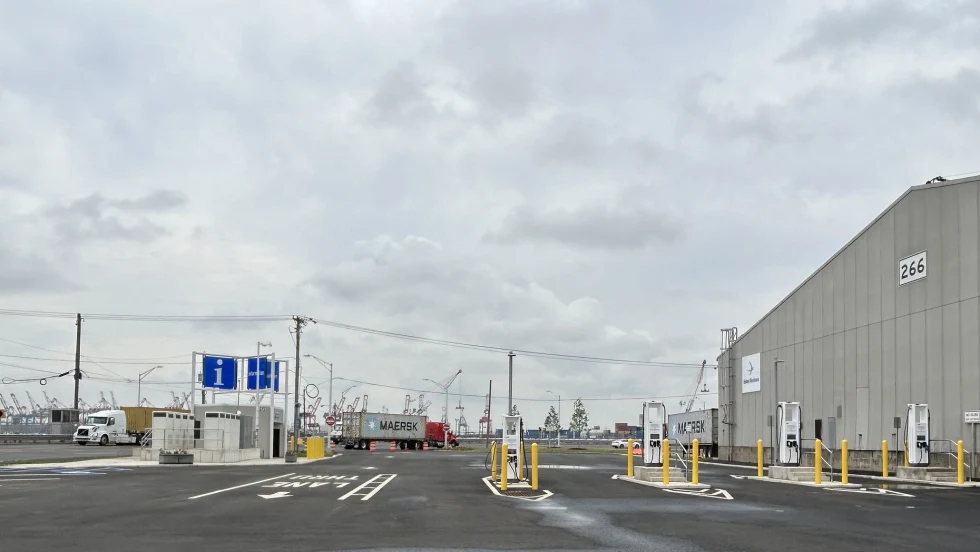
Port Authority and CALSTART Launch $45 Million Electric Truck and Charging Programs
The programs aim to boost sustainable operations across the East Coast's busiest seaport.
Read More →
Moving Government Fleets Beyond the Vehicle Purchase: EV as a Service
A discussion on how EVaaS is moving beyond pilot programs and what fleets should consider before beginning a larger deployment.
Read More →
Moving Government Fleets Beyond the Vehicle Purchase: EV as a Service
As fleets move beyond small EV pilots, Sustainability Partners CEO Adam Cain explains how EVaaS can address the infrastructure and long-term planning required for larger deployments.
Read More →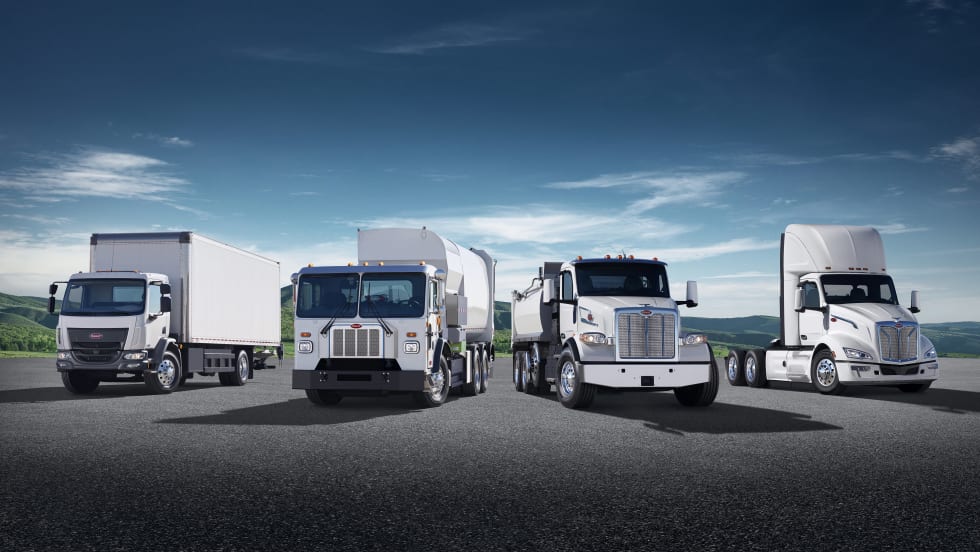
Peterbilt Expands Sourcewell Partnership with Electric Vehicle Lineup
The agreement aims to provide streamlined procurement of Peterbilt trucks for government, education, nonprofit and tribal organizations across the United States and Canada.
Read More →
EV Adoption & Charging Challenges
Where is your fleet in the journey of vehicle electrification? If you're still looking for answers to fleet electrification you've come to the right place.
Read More →
Hawaii Passes Clean Fuel Policy
Hawaii lawmakers passed clean fuel legislation that could support renewable natural gas production, biogas-powered transportation, and lower-carbon fueling options for public and commercial fleets.
Read More →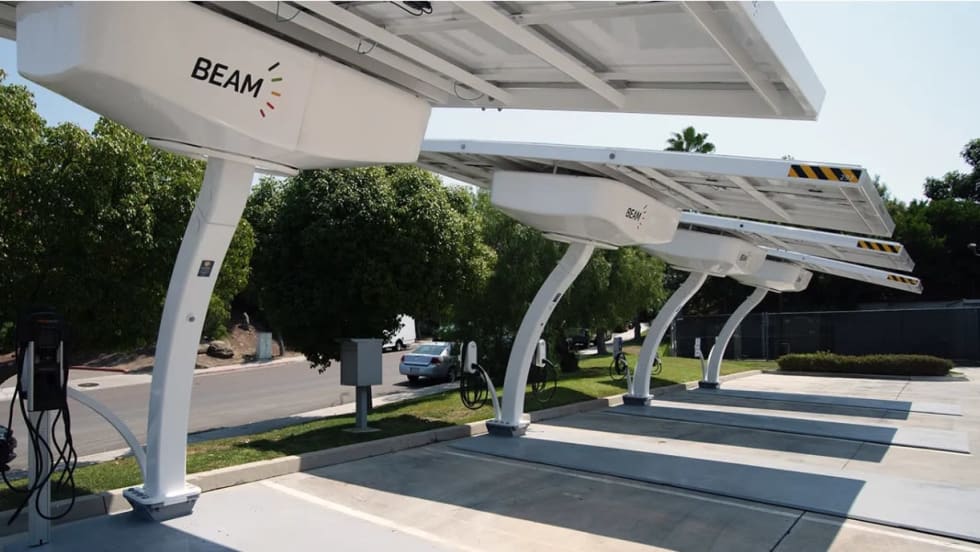
Stanislaus County Deploys Ten Beam Global EV ARC Systems to Support County Fleet Electrification
Stanislaus County deployed 10 off-grid solar-powered EV charging systems and a mobile charging trailer from Beam Global to support its electric fleet operations and emergency response flexibility.
Read More →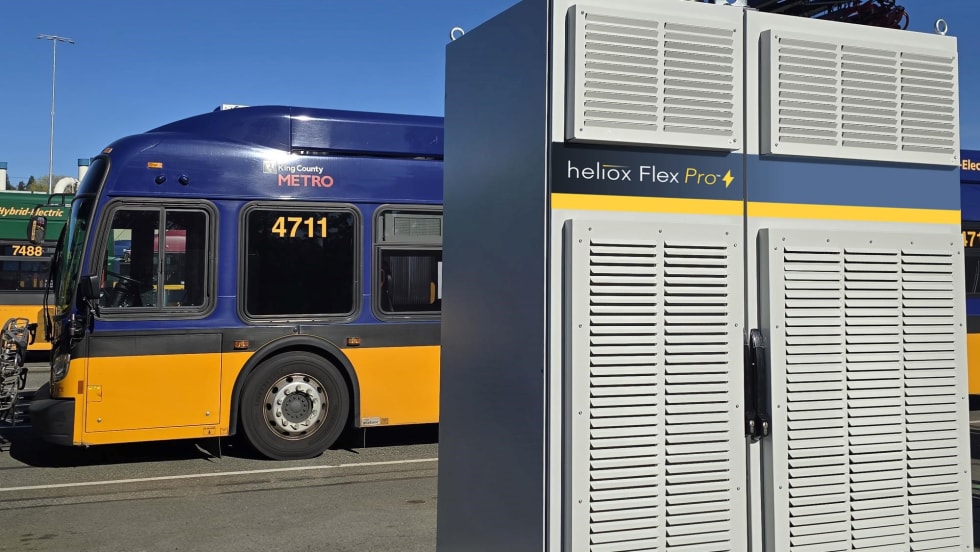
Heliox Pilots 480-kW Bus Charger with King County Metro
King County Metro is piloting Heliox’s new 480-kW Flex Pro charger to support expansion of its battery-electric bus fleet and depot charging infrastructure. The compact charging system supports pantograph and plug-in charging configurations for high-density transit operations.
Read More →