





Learn More: A Near-Zero-Emission Solution for Medium-Duty Vehicles
ROUSH CleanTech Begins Production of Gen 5 Propane Fuel System
The milestone comes as the advanced clean transportation company celebrates its 10th anniversary.
October 21, 2020
2 min to read
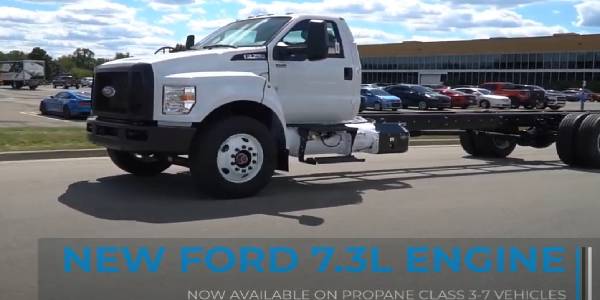
ROUSH CleanTech began production of its Gen 5 propane autogas fuel system in Sept. 2020. The company’s innovative propane autogas technology integrates Ford’s new 7.3L V8 engine in Class 3-7 chassis.
Ford’s new 7.3L engine is compact, durable, and easy to maintain. It is narrower than the previous 6.8L, allowing it to fit into multiple vehicle chassis and be serviced with similar automotive parts across each chassis. Innovations for the Gen 5 propane fuel system include stronger and lighter forged fuel rails and a support bracket that keeps the engine fuel distribution well organized.
The engine is designed to meet current and future emissions requirements. ROUSH CleanTech’s Gen 5 is certified to California Air Resources Board’s optional low nitrogen oxide emissions standard of 0.05 grams per brake horsepower-hour (g/bhp-hr). The Gen 5 system reduces greenhouse gas emissions, which helps optimize fuel efficiency, and can operate on renewable propane, which further reduces emissions and carbon intensity values.
Propane is a popular alternative fuel for commercial fleets due to the domestic fuel’s reduced costs and emissions. “With propane autogas, fleets can lower their operating costs by 40% to 50% while helping their communities cut harmful emissions," said Tucker Perkins, president and CEO of the Propane Education & Research Council.
As a Tier 1 supplier and Ford Qualified Vehicle Modifier manufacturer, ROUSH CleanTech’s propane autogas vehicles retain all quality Ford performance characteristics, such as horsepower, torque and towing, while maintaining the OEM factory warranty.
The Gen 5 propane fuel system is now available.
More Green Fleet
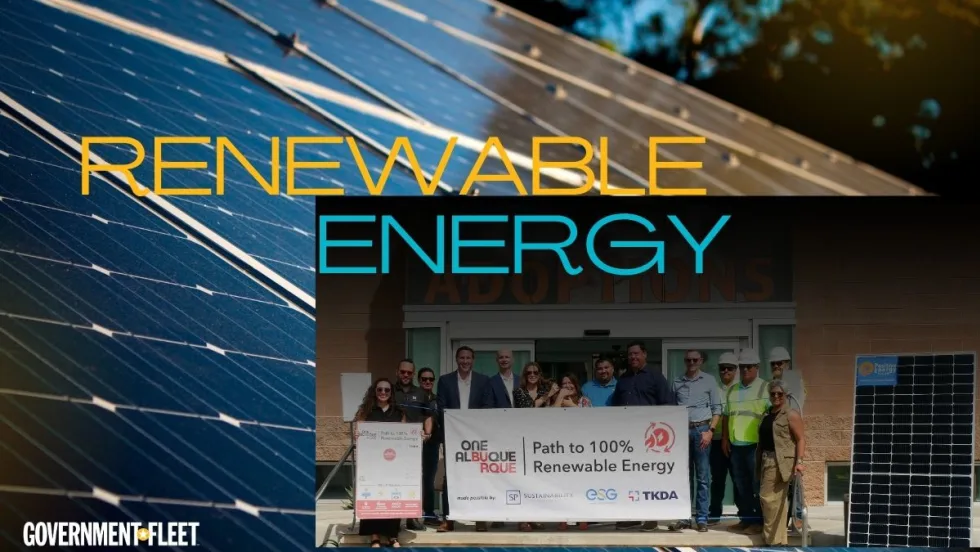
Sustainability Partners, Energy Systems Group Help Albuquerque Close the Gap on its 100% Renewable Energy Goal
The eight-site, 6 MW solar project has advanced the city toward 100% renewable energy for municipal operations.
Read More →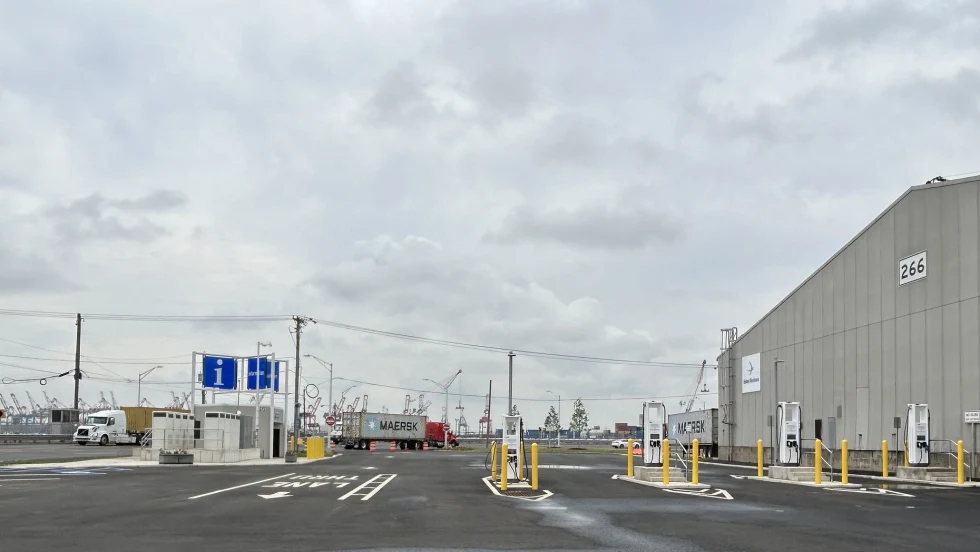
Port Authority and CALSTART Launch $45 Million Electric Truck and Charging Programs
The programs aim to boost sustainable operations across the East Coast's busiest seaport.
Read More →
Moving Government Fleets Beyond the Vehicle Purchase: EV as a Service
A discussion on how EVaaS is moving beyond pilot programs and what fleets should consider before beginning a larger deployment.
Read More →
Moving Government Fleets Beyond the Vehicle Purchase: EV as a Service
As fleets move beyond small EV pilots, Sustainability Partners CEO Adam Cain explains how EVaaS can address the infrastructure and long-term planning required for larger deployments.
Read More →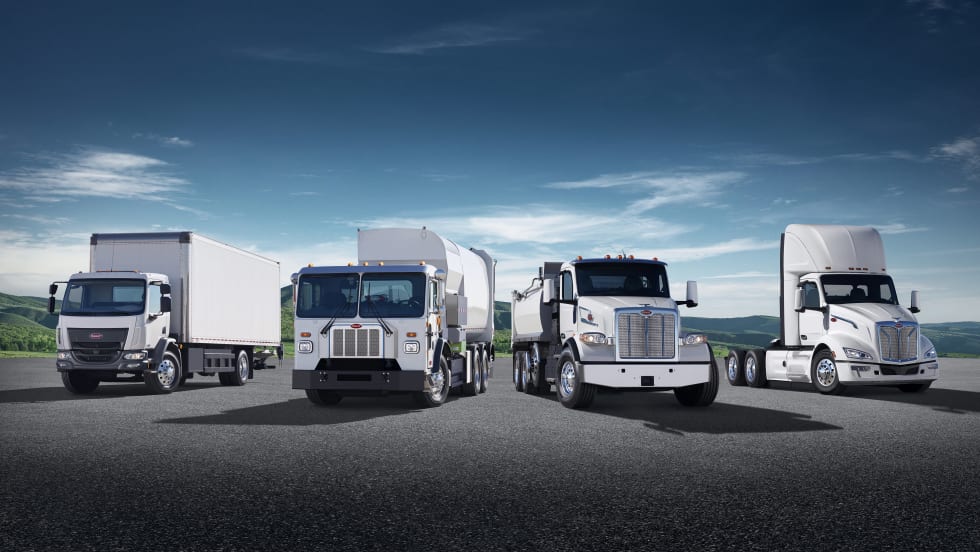
Peterbilt Expands Sourcewell Partnership with Electric Vehicle Lineup
The agreement aims to provide streamlined procurement of Peterbilt trucks for government, education, nonprofit and tribal organizations across the United States and Canada.
Read More →
EV Adoption & Charging Challenges
Where is your fleet in the journey of vehicle electrification? If you're still looking for answers to fleet electrification you've come to the right place.
Read More →
Hawaii Passes Clean Fuel Policy
Hawaii lawmakers passed clean fuel legislation that could support renewable natural gas production, biogas-powered transportation, and lower-carbon fueling options for public and commercial fleets.
Read More →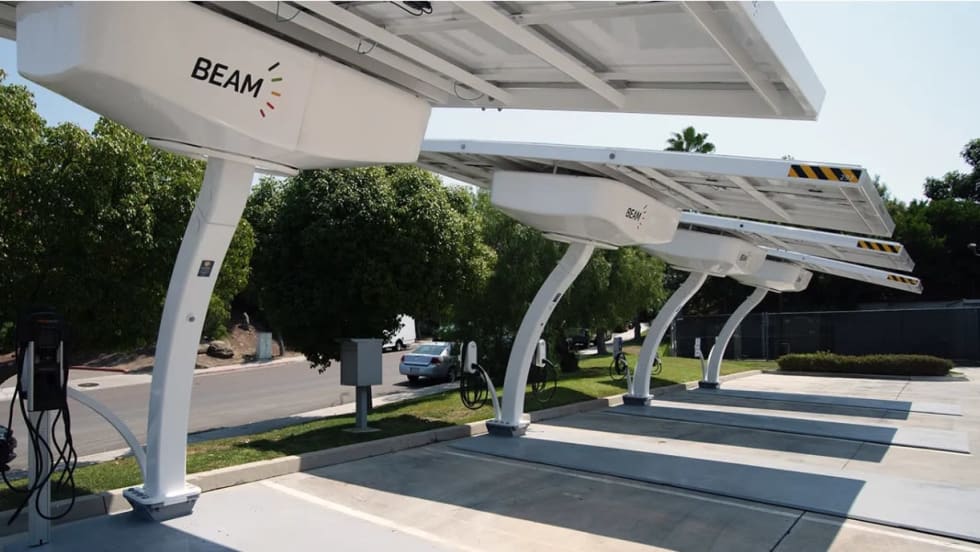
Stanislaus County Deploys Ten Beam Global EV ARC Systems to Support County Fleet Electrification
Stanislaus County deployed 10 off-grid solar-powered EV charging systems and a mobile charging trailer from Beam Global to support its electric fleet operations and emergency response flexibility.
Read More →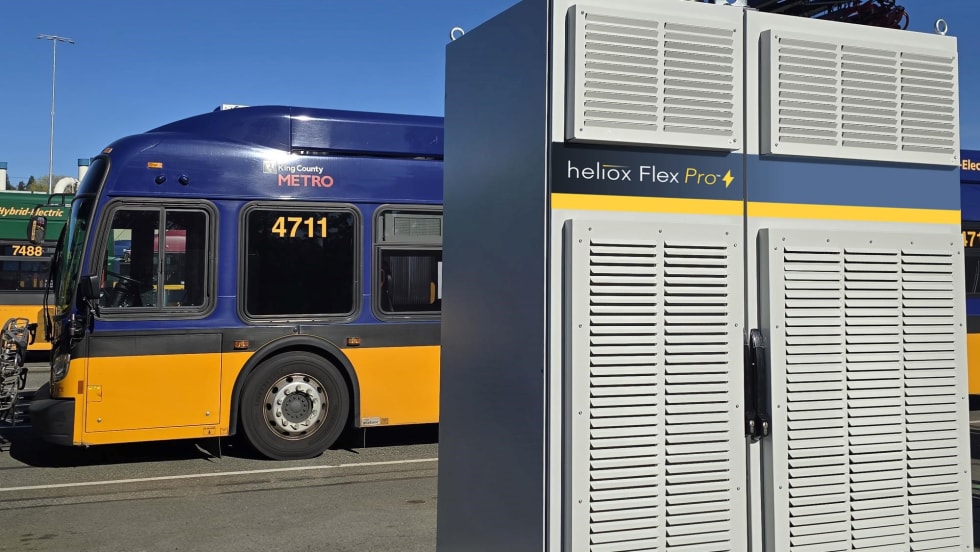
Heliox Pilots 480-kW Bus Charger with King County Metro
King County Metro is piloting Heliox’s new 480-kW Flex Pro charger to support expansion of its battery-electric bus fleet and depot charging infrastructure. The compact charging system supports pantograph and plug-in charging configurations for high-density transit operations.
Read More →