




Rock Hill to Expand CNG Station & Increase its CNG Fleet
Marty Burr, performance manager for Rock Hill, S.C., said he’s focusing on transitioning the City’s 12 refuse vehicles over to CNG. He estimates savings in fuel costs will pay for the additional cost of CNG refuse trucks in about 14 months.
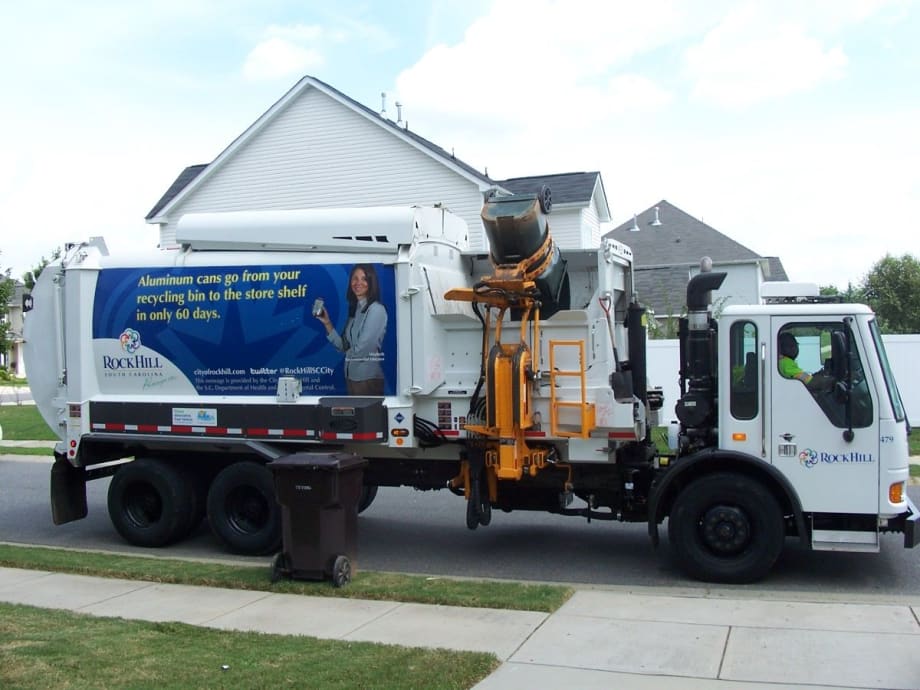
Rock Hill currently has two CNG refuse trucks.
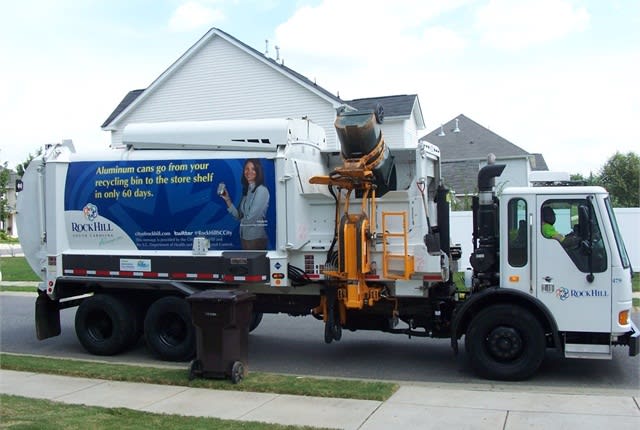
Rock Hill currently has two CNG refuse trucks.
The City of Rock Hill, S.C., is investing in compressed natural gas (CNG) with the planned expansion of its fueling facility and addition of CNG vehicles to the fleet. Currently, about 5% of the City’s roughly 700 on-road vehicles run on CNG. Marty Burr, performance manager for Rock Hill said he’s focusing on transitioning the City’s 12 refuse vehicles over to CNG – the City currently has two CNG refuse trucks.
The City’s investment in natural gas began in 1995, when it built a CNG fueling station and converted dump trucks to run on CNG, Burr said. Its CNG fleet has grown to include Ford pickup trucks, GMC dump trucks, the two sanitation trucks, and two Chevrolet Impalas. Burr said the fleet converted the Impalas in-house in 2009; an environmental inspector uses one, and the other was placed in the motor pool.
The City purchased the refuse vehicles in 2011, receiving them in 2012. Burr estimates savings in fuel costs will pay for the additional cost of the CNG refuse trucks in about 14 months. He explained that the diesel Autocar automatic side loaders with New Way bodies cost $225,000 each, and it costs an additional $38,000 to order a vehicle that runs on CNG. Figuring the cost difference of CNG and diesel to be a
The truck pays for itself, and it puts money in your pocket,” Burr said. “After 14 months you have lower operating costs.” He added that this doesn’t even include maintenance cost differences – in his experience, maintenance costs for CNG vehicles are lower than for diesel vehicles.bout $2.50 per gallon, with each vehicle using 50 gallons per day, five days a week, the City will save $32,500 in fuel costs per year. Over its 10-year lifecycle, each CNG vehicle will save $325,000 in fuel costs, Burr said.
“Right now, we are working on a study to see the difference in actual maintenance costs,” Burr said. “We haven’t had the [refuse] vehicles long enough yet to do the complete comparison, but that’s going to be the next thing, and I think it’s going to be substantial.”
Burr plans to purchase two to three CNG vehicles per year as vehicles age.
The City owns and operates one publicly-accessible CNG fueling station, a new one that replaces the one built in 1995. The station has some large commercial over-the-road fleet customers. It has one fast-fill hose and eight time-fill hoses. The City is planning to install 20 more time-fill hoses at the same station. In case of emergencies, Burr said York County Natural Gas, a local gas company, has a fueling station about four miles away.
Burr also said that he expects resale value for the vehicles to be high. When he first sold the CNG dump trucks in 2009, he had to convert them back to run on gasoline before selling them. Now, however, after getting inquiries about the vehicles and following resale prices online, he expects to be able to resell the vehicles for a much higher price.
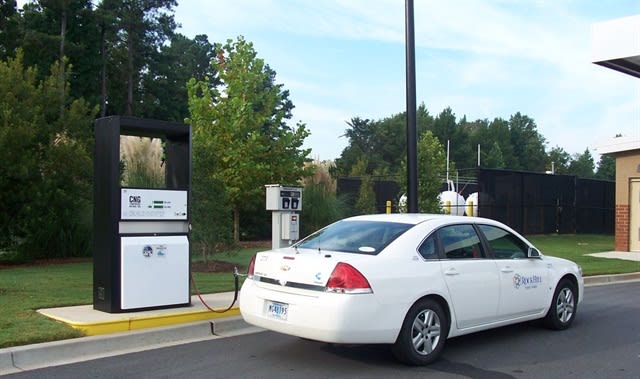
The City owns and operates one publicly-accessible CNG fueling station.
By Thi Dao
More Green Fleet
Sustainability Partners, Energy Systems Group Help Albuquerque Close the Gap on its 100% Renewable Energy Goal
The eight-site, 6 MW solar project has advanced the city toward 100% renewable energy for municipal operations.
Read More →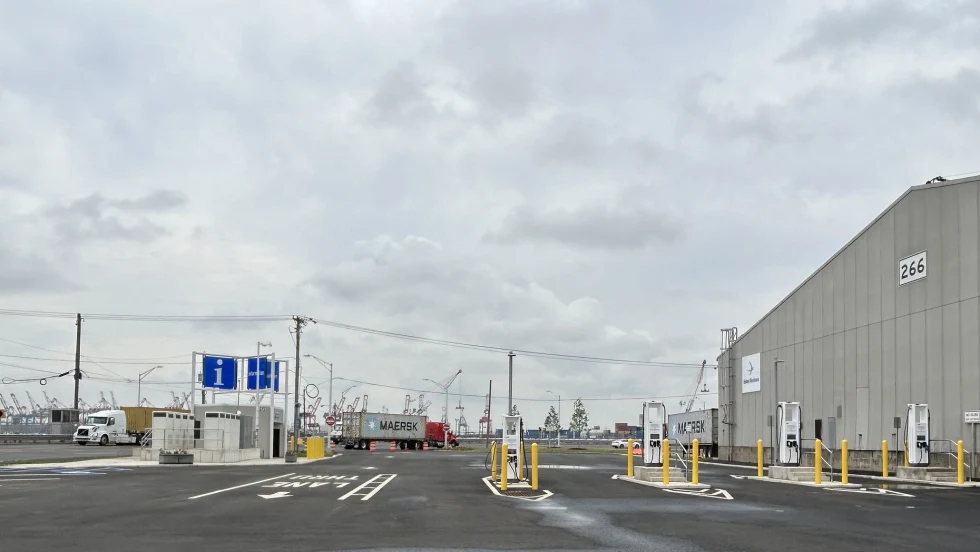
Port Authority and CALSTART Launch $45 Million Electric Truck and Charging Programs
The programs aim to boost sustainable operations across the East Coast's busiest seaport.
Read More →
Moving Government Fleets Beyond the Vehicle Purchase: EV as a Service
A discussion on how EVaaS is moving beyond pilot programs and what fleets should consider before beginning a larger deployment.
Read More →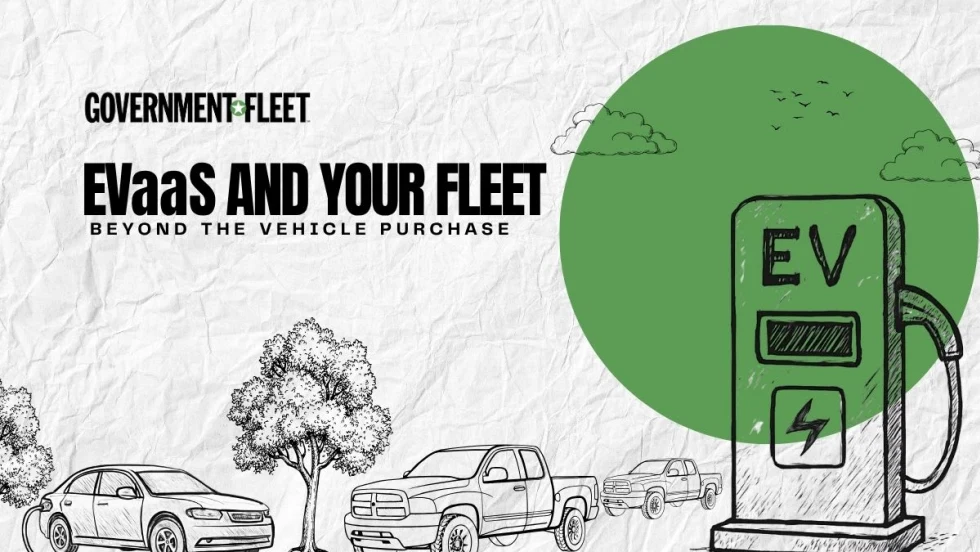
Moving Government Fleets Beyond the Vehicle Purchase: EV as a Service
As fleets move beyond small EV pilots, Sustainability Partners CEO Adam Cain explains how EVaaS can address the infrastructure and long-term planning required for larger deployments.
Read More →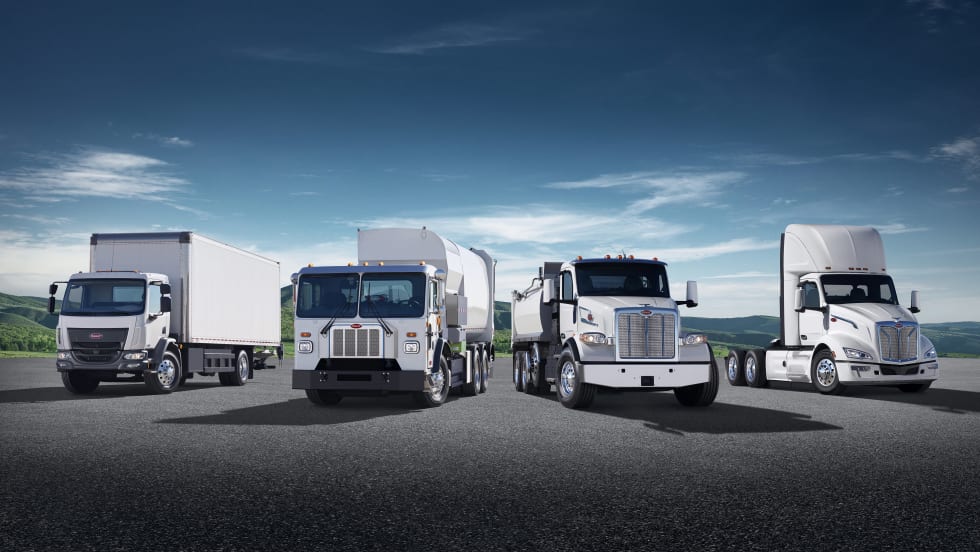
Peterbilt Expands Sourcewell Partnership with Electric Vehicle Lineup
The agreement aims to provide streamlined procurement of Peterbilt trucks for government, education, nonprofit and tribal organizations across the United States and Canada.
Read More →
EV Adoption & Charging Challenges
Where is your fleet in the journey of vehicle electrification? If you're still looking for answers to fleet electrification you've come to the right place.
Read More →
Hawaii Passes Clean Fuel Policy
Hawaii lawmakers passed clean fuel legislation that could support renewable natural gas production, biogas-powered transportation, and lower-carbon fueling options for public and commercial fleets.
Read More →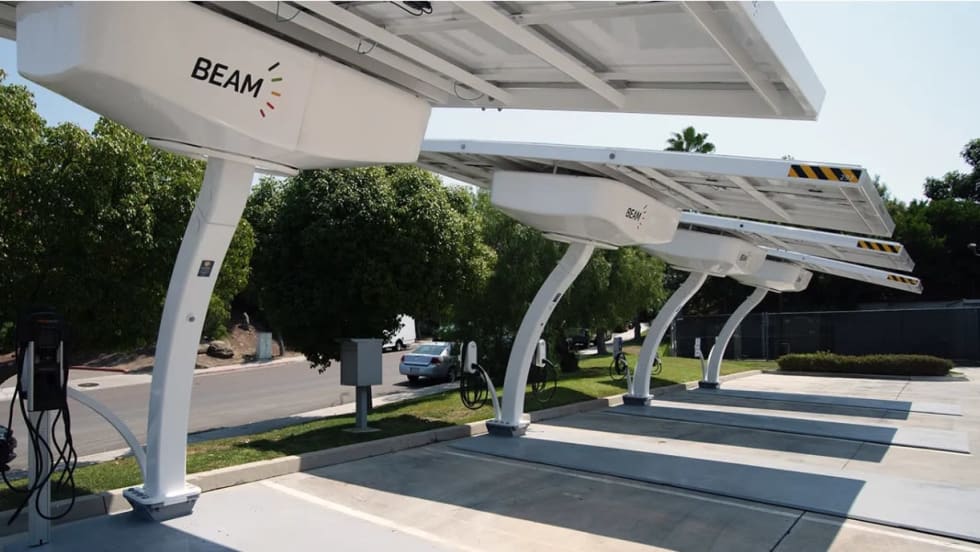
Stanislaus County Deploys Ten Beam Global EV ARC Systems to Support County Fleet Electrification
Stanislaus County deployed 10 off-grid solar-powered EV charging systems and a mobile charging trailer from Beam Global to support its electric fleet operations and emergency response flexibility.
Read More →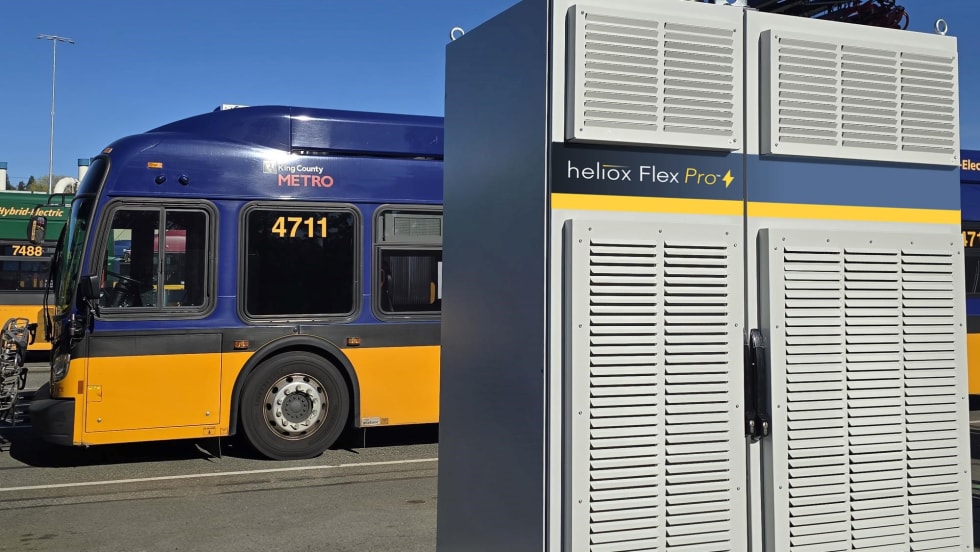
Heliox Pilots 480-kW Bus Charger with King County Metro
King County Metro is piloting Heliox’s new 480-kW Flex Pro charger to support expansion of its battery-electric bus fleet and depot charging infrastructure. The compact charging system supports pantograph and plug-in charging configurations for high-density transit operations.
Read More →