





Similar Content: How to Electrify the Entire Federal Vehicle Fleet
Report: 97% of Federal Fleet Buses, Light-Duty Vehicles Could Be Replaced by EVs by 2030
A new analysis by the Electrification Coalition and Atlas Public Policy makes a case for federal fleet electrification.
August 18, 2021
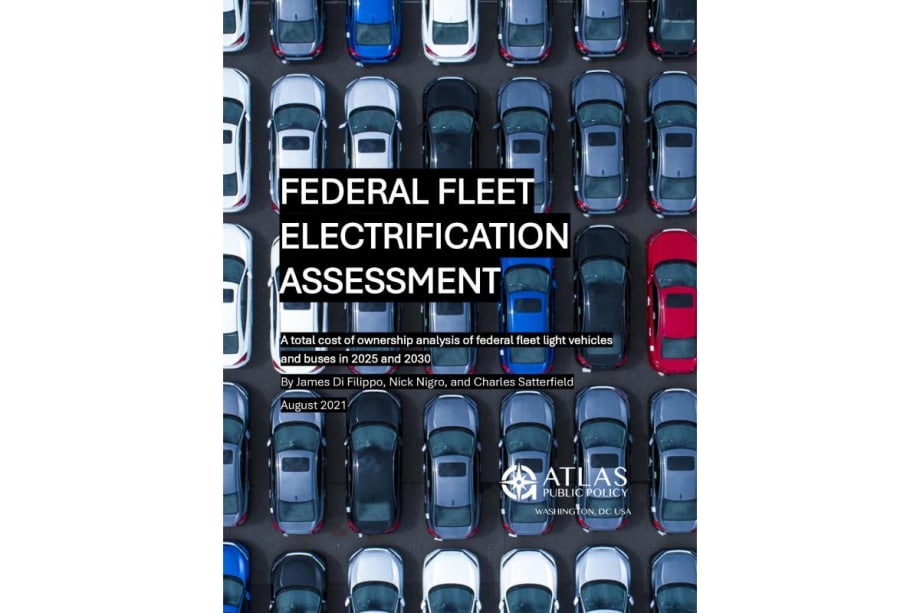
A new analysis by the Electrification Coalition and Atlas Public Policy makes a case for federal fleet electrification.
Photo: Atlas Public Policy
3 min to read
The Electrification Coalition and Atlas Public Policy released a report on August 18 revealing 97% of buses and light-duty vehicles in the federal fleet could be replaced by electric vehicles (EVs) by 2030. Up to 40% could be cost-effectively replaced as soon as 2025.
Higher upfront purchase prices can sometimes deter fleets from selecting EVs. But in this study, Federal Fleet Electrification Assessment, Atlas Public Policy demonstrates the true potential of federal fleet electrification by analyzing EVs’ total cost of ownership (TCO) – including purchase price, fuel, and maintenance – relative to that of conventional gasoline- and diesel-fueled vehicles. The analysis finds EVs are increasingly better for the bottom line over the next decade.
“Because of falling sticker prices and high fuel-cost savings, EVs are rapidly becoming the economic choice for federal agencies,” said Nick Nigro, founder of Atlas Public Policy and one of the report’s authors. “These fleets and the U.S. Postal Service will realize considerable savings and cut greenhouse gas emissions by switching to EVs this decade.”
By 2025, federal fleets (excluding the U.S. Postal Service) could replace up to 40% of their buses and light-duty vehicles with EVs at a lower TCO than comparable vehicles with internal combustion engines.
By 2030, 97% of the conventional buses and light-duty vehicles in the federal fleet (excluding USPS) could be replaced by EVs, delivering considerable cost savings. Those savings would more than offset the costs of electrifying the remaining 3% of vehicles, allowing all vehicles to be electrified while still resulting in substantial cost savings, according to the report.
The federal government is the single-largest vehicle fleet operator in the country, with 315,000 light-duty vehicles and buses, not including the U.S. Postal Service. USPS, which controls more vehicles than any other federal agency, offers an even more compelling case: By 2025, EVs will be less expensive than conventional vehicles for more than 99% of the USPS light-duty fleet, with the potential to save $2.9 billion. By 2030, that figure increases to nearly 100%, with the switch saving $4.6 billion. USPS mail trucks alone would account for $4.3 billion in savings if electrified by 2030.
The USPS light-duty fleet includes 192,000 vehicles. They are especially well suited to electrification because they have predictable routes and schedules and existing centralized depots, where they could charge when not in operation.
The new report also uncovers substantial potential for greenhouse gas emissions savings through federal fleet electrification. For the non-USPS federal fleet vehicles, electrifying all cost-competitive vehicles in 2025 would result in 3.2 million metric tons of GHG emissions reductions over the life of the EVs. By 2030, cost-competitive EVs would achieve 7.6 million metric tons of GHG emissions reductions. Replacement of USPS internal combustion engine vehicles with all cost-competitive EVs in 2025 would yield 12.8 million metric tons of emissions reductions.
More Green Fleet
Sustainability Partners, Energy Systems Group Help Albuquerque Close the Gap on its 100% Renewable Energy Goal
The eight-site, 6 MW solar project has advanced the city toward 100% renewable energy for municipal operations.
Read More →
Port Authority and CALSTART Launch $45 Million Electric Truck and Charging Programs
The programs aim to boost sustainable operations across the East Coast's busiest seaport.
Read More →
Moving Government Fleets Beyond the Vehicle Purchase: EV as a Service
A discussion on how EVaaS is moving beyond pilot programs and what fleets should consider before beginning a larger deployment.
Read More →
Moving Government Fleets Beyond the Vehicle Purchase: EV as a Service
As fleets move beyond small EV pilots, Sustainability Partners CEO Adam Cain explains how EVaaS can address the infrastructure and long-term planning required for larger deployments.
Read More →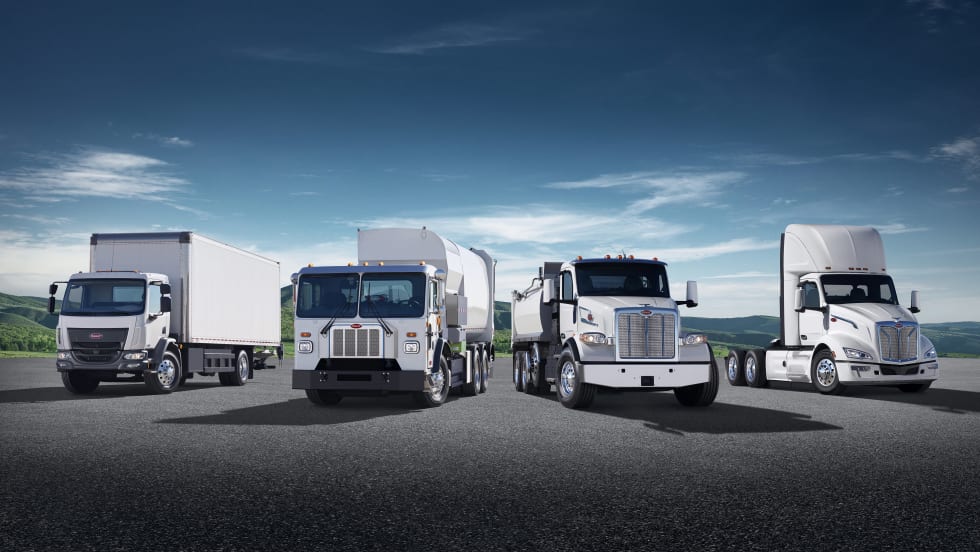
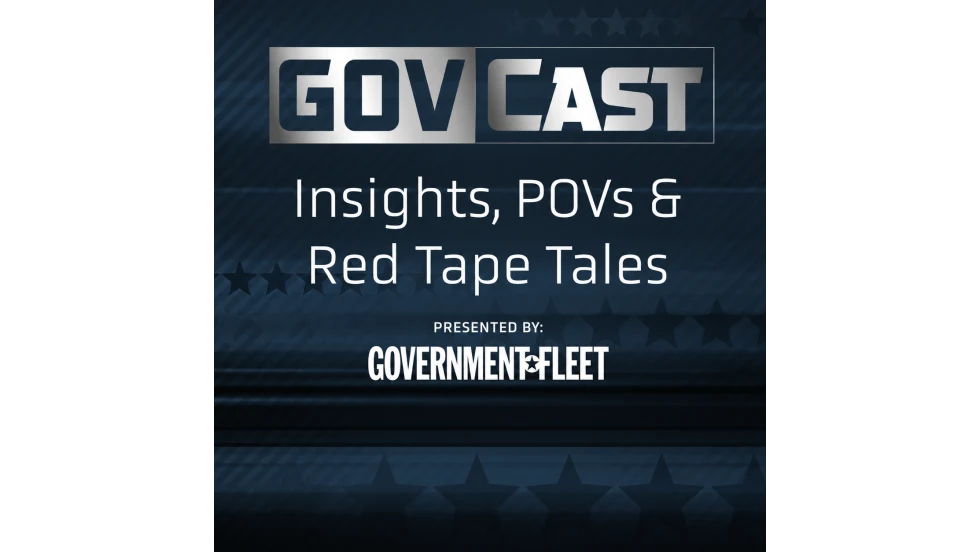
Peterbilt Expands Sourcewell Partnership with Electric Vehicle Lineup
The agreement aims to provide streamlined procurement of Peterbilt trucks for government, education, nonprofit and tribal organizations across the United States and Canada.
Read More →
EV Adoption & Charging Challenges
Where is your fleet in the journey of vehicle electrification? If you're still looking for answers to fleet electrification you've come to the right place.
Read More →
Hawaii Passes Clean Fuel Policy
Hawaii lawmakers passed clean fuel legislation that could support renewable natural gas production, biogas-powered transportation, and lower-carbon fueling options for public and commercial fleets.
Read More →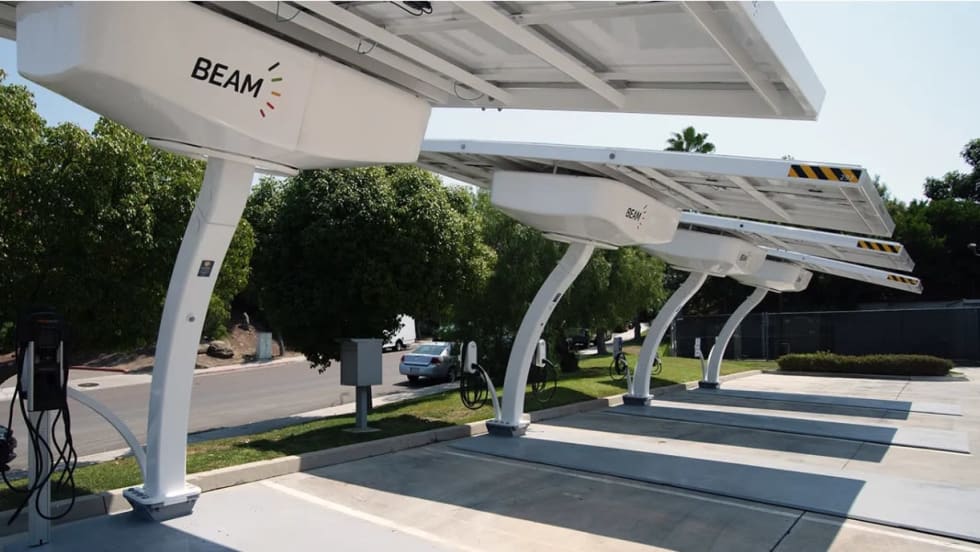
Stanislaus County Deploys Ten Beam Global EV ARC Systems to Support County Fleet Electrification
Stanislaus County deployed 10 off-grid solar-powered EV charging systems and a mobile charging trailer from Beam Global to support its electric fleet operations and emergency response flexibility.
Read More →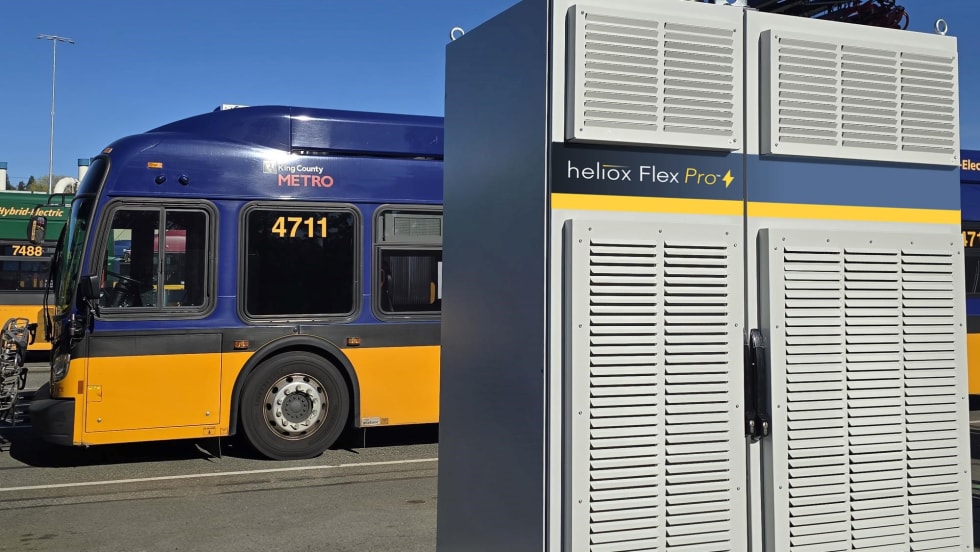
Heliox Pilots 480-kW Bus Charger with King County Metro
King County Metro is piloting Heliox’s new 480-kW Flex Pro charger to support expansion of its battery-electric bus fleet and depot charging infrastructure. The compact charging system supports pantograph and plug-in charging configurations for high-density transit operations.
Read More →