




Similar Content: 10 Ways to Save On Gas
Police Departments Grapple With High Fuel Prices
Police departments are implementing changes in order to save money on fuel, as Russia's war on Ukraine continues.

Christy Grimes・Former Senior Editor
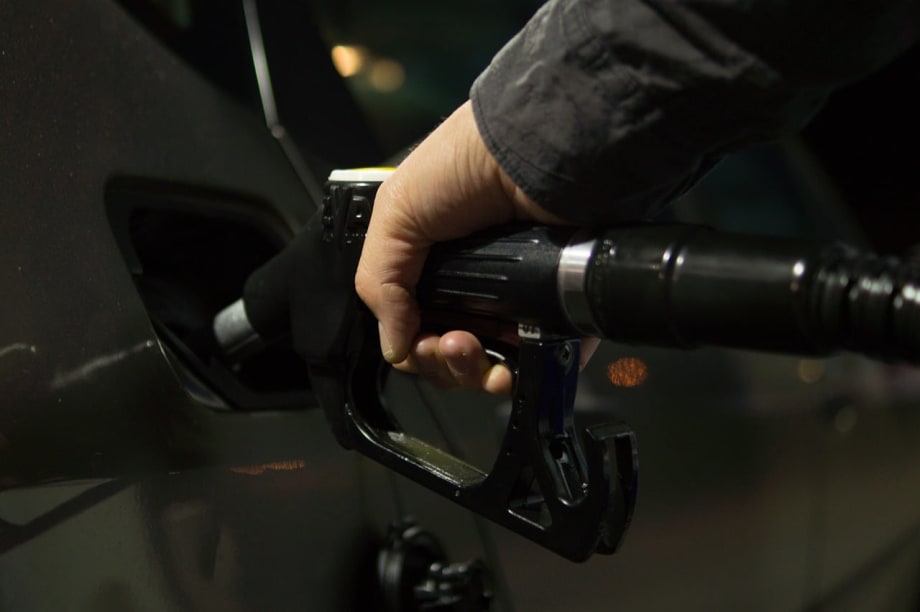
Police departments are making changes to the way they respond to calls, due to high fuel prices.
Photo of a fuel pump via Pixabay
3 min to read
Fleet departments across the country have been dealing with higher fuel prices for several months, as the price of gas continues to increase due to Russia's ongoing war in Ukraine. Police departments are not immune from these issues.
Here's how several departments are responding.
Michigan Sheriff's Department to Cut Back On Some In-Person Call Responses
The Isabella County, Michigan, Sheriff's Office is cutting back on its in-person call responses. Sheriff Michael Main posted on the department's Facebook page, saying he has instructed deputies to attempt to manage calls that can be handled over the phone. That includes non-in-progress calls, non-life-threatening calls, and calls that do not require evidence collection or documentation. He wrote that deputies will continue to provide patrols to all areas of the county, and that they will respond in-person to calls that include incidents in progress with active suspects. "I want to assure the community that safety is our primary goal," Main wrote.
Ohio PD Conducts "Stationary" Patrols
The South Zanesville, Ohio Police Department reported to Fox News that it had been forced to cut back on patrols due to surging fuel prices. Chief Mark Ross appeared on "Fox & Friends," explaining his department is instead conducting "stationary patrols" to save on fuel when possible. Stationary patrol is when an officer parks his or her patrol car in a visible area, like a parking lot or residential area near a road with high traffic, Ross said. He explained that this raises safety concerns, since officers are now not as visible as they'd like to be. Ross said he expects his department wilsl have to continue to cut back on patrols until fuel prices decrease, despite an increase in budget.
Iowa PD Considering Doubling Up on Officers in Vehicles
Lt. Mark Rehberg of the Clive, Iowa, Police Department said his department is considering putting two people in a car to cut down on the amount of vehicles on the road. He also told WOI-DT that there are certain duties officers can perform, like report writing, with their vehicles turned off in a parking lot to help save fuel. Rehberg said officers may end up taking reports over the phone instead of being sent out to take them in person when possible. He explained that even with these changes, the city is still committed to keeping residents safe.
Missouri PD's Fuel Budget to Increase
The Springfield, Missouri, Police Department is increasing its budget to account for higher fuel prices. More than $126,000 has been added to the department's $32 million budget for the next fiscal year. The extra funding is earmarked for fuel for the department's vehicle fleet, according to the Springfield News-Leader. It brings the total amount of money budgeted for fuel costs to more than $556,000. The City Council is set to vote on the budget in the coming weeks, and it will take effect July 1.
Indiana Sheriff's Office to Request Fuel Budget Increase
The Johnson County Sheriff's Office plans to request up to an additional $100,000 to cover the cost of fuel. Sheriff Duane Burgess told WTHR that he plans to ask the county council for the funding due to the increased prices, saying the prices are "off the charts." The Bargersville Police Department, in the county, is made up of mostly Teslas. Burgess said he is not ready to transition his department to an electric fleet yet, because there are too many unknowns.
More Police
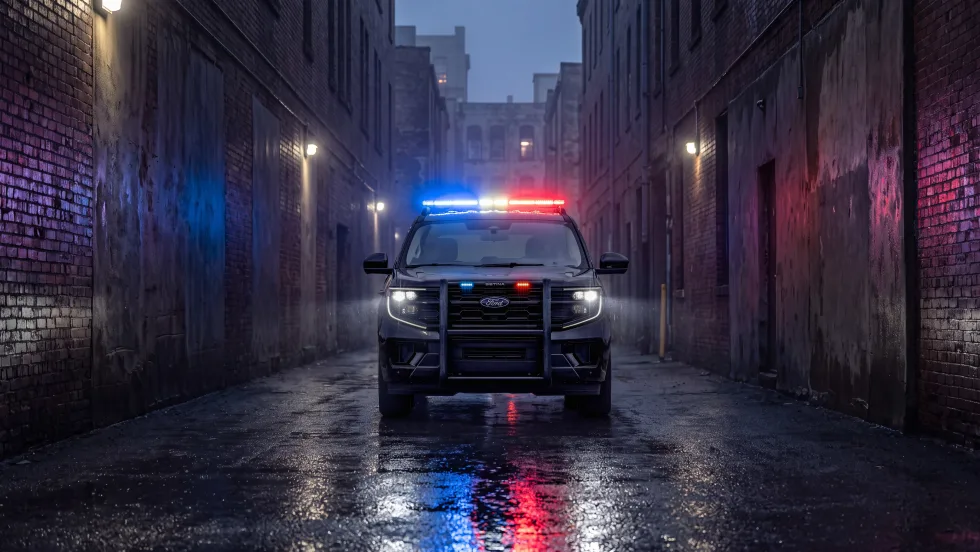
Ford Pro Introduces Full-Size 2028 Expedition Police Responder
Ford Pro gave law enforcement customers a first look at the pursuit-rated utility during Police Fleet Expo.
Read More →
Paterson Police Expand Drone Fleet, Launch Real-Time Operations Center
The Paterson Police Department has expanded its drone program and opened a new Real-Time Operations Center designed to support emergency response and incident management. The initiative integrates multiple technologies to provide officers with real-time information during investigations and public safety operations.
Read More →
Why Public Fleet Success Depends on More Than the Vehicles
Tim Coxwell of the Leon County Sheriff’s Office discusses the projects shaping his fleet operation, including long-term work around vehicle selection, greenhouse gas emissions, and cost per mile.
Read More →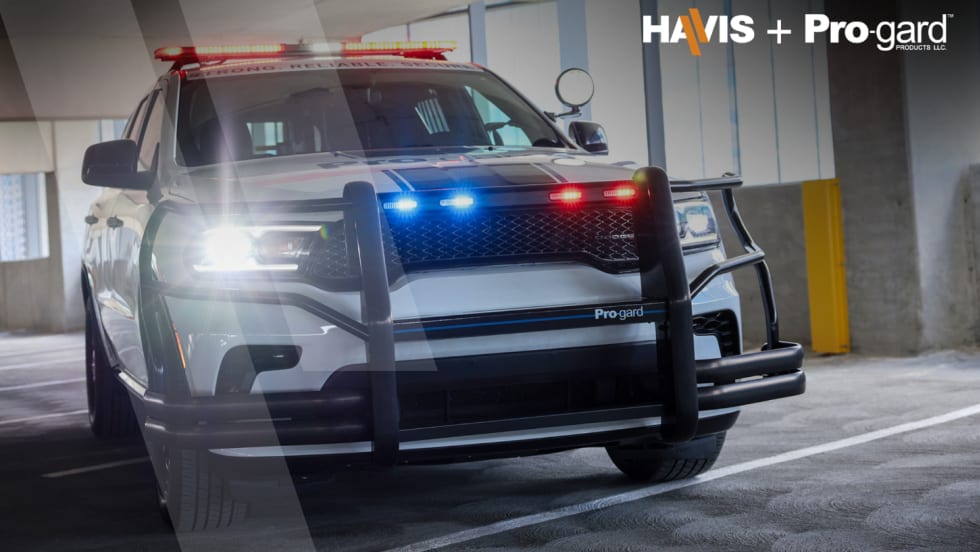
Havis Acquires Pro-gard Products
The acquisition brings together two manufacturers of public safety vehicle equipment under one company. Havis says the move expands its portfolio of products for outfitting law enforcement vehicles and other public safety fleets.
Read More →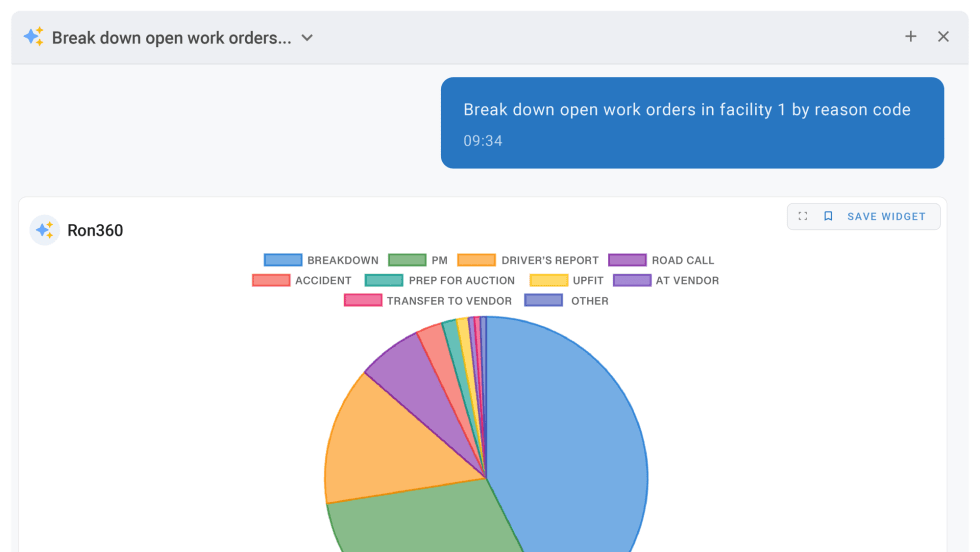
RTA Fleet Introduces AI Assistant for Fleet360 Platform
As artificial intelligence continues to gain traction across public-sector operations, fleet software providers are finding new ways to incorporate the technology into everyday workflows. RTA's latest addition aims to simplify how users interact with fleet data.
Read More →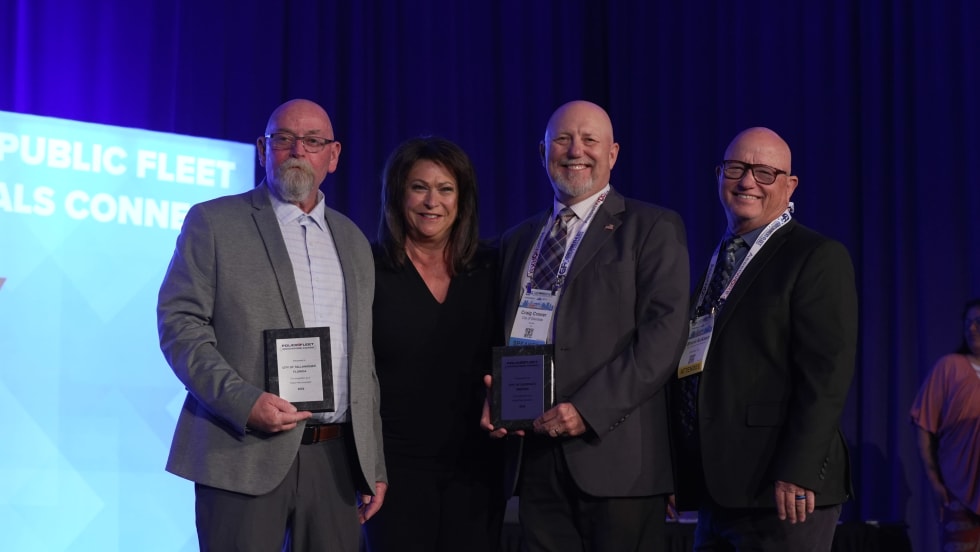
2026 Police Fleet Innovators Named
Meet the professionals finding new ways to solve some of law enforcement's toughest fleet challenges.
Read More →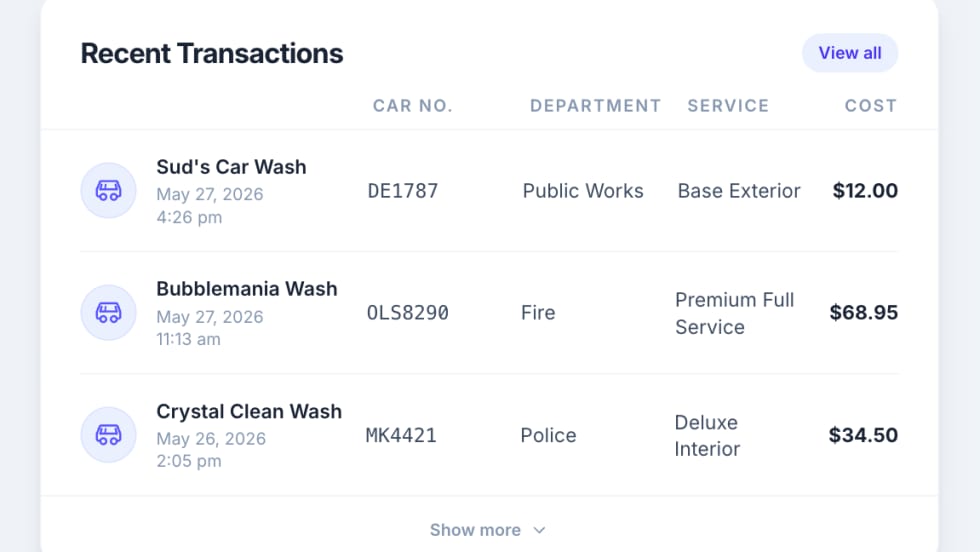
Rynse Expands Nationwide Fleet Wash Access for Law Enforcement
The North Carolina Sheriff’s Association Contract Cooperative purchasing contract aims to streamline procurement process for law enforcement agencies across the U.S.
Read More →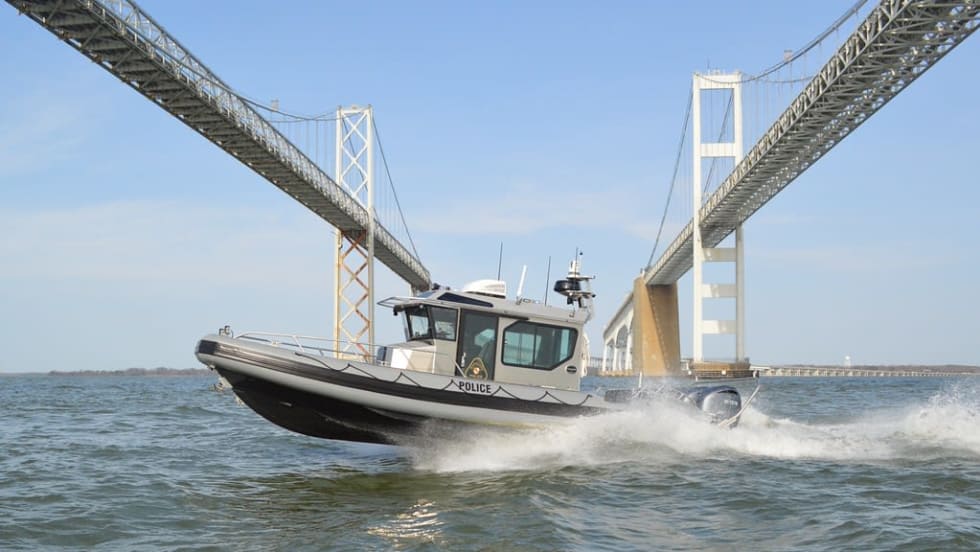
Maryland Natural Resources Police Adds 31-Foot Patrol Boat to Enforcement Fleet
A new addition to Maryland’s marine enforcement fleet is bringing expanded capabilities to Chesapeake Bay operations while honoring a legacy within the agency. The high-performance patrol vessel reflects how law enforcement fleets are adapting to growing demands on the water.
Read More →
LEHR Expands Florida Presence With Enforcement One Acquisition
LEHR has acquired Florida-based emergency vehicle upfitter Enforcement One, marking its eighth add-on acquisition.
Read More →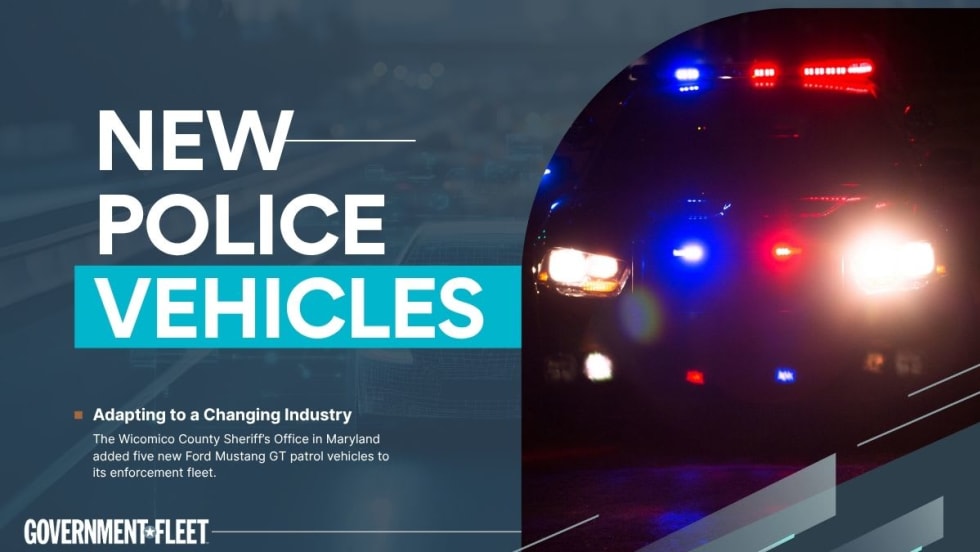
Maryland’s Wicomico County Sheriff Adds Mustang GT Patrol Vehicles
The agency is also working with the Maryland Police Training Commission on a specialized high-performance driving course for deputies assigned to the vehicles.
Read More →