




PennDOT Benchmarks GPS
HARRISBURG, PA – The Pennsylvania Department of Transportation is in the middle of preparing specifications for using GPS technology that includes automated precision grading with bulldozers and motor graders.
HARRISBURG, PA – The Pennsylvania Department of Transportation is in the middle of preparing specifications for using GPS technology that includes automated precision grading with bulldozers and motor graders, according to Constructioneer magazine. When this access road project is completed, it will link the airport to I-80, four miles to the south. I-80 is the main northern tier interstate highway running from New Jersey to California.
The technology being used is known as stakeless grading. This stakeless approach includes both rough grading and precision grading on all phases of road construction. The new GPS technology will help the grading operation hit a shorter completion date.
Mounted on the Caterpillar models D5N bulldozer and the 120H motor grader, and a John Deere model 770 motor grader, are Topcon 3D-GPS+ automated control systems. The D5N bulldozer also is used for rough grading, but its grading procedure is automatically controlled, and with the base station in place the grading tolerances are within 0.1 foot or less. Precise location points are achieved by triangulation. This system tracks all available satellite signals, thus assuring greater solution quality and integrity.
With dual-constellation tracking capabilities and the optional Co-op Tracking System integrated with the 3D-GPS+ Control System, satellite tracking integrity is maintained (locked) when the bulldozer or motor grader is grading near or under canopies such as trees. Added to the 3D-GPS+ Systems installed on the two motor graders is the optional Millimeter GPS System for an even more precise grading-control system. It enables the motor graders to automatically perform fine grading (measurable in millimeters) not readily reachable by using traditional staking or standard GPS methods.
Grading activities are verified by monitoring the grades at random points with Topcon Pocket-3D FC-100 field controllers running their Pocket 3D software in concert with PZS-1 mounted on the range poles.
More Operations
What Can Disappear After a Fleet Crash?
This week, we look at drone footage, what fleets should document before repairs begin, and share a quick poll.
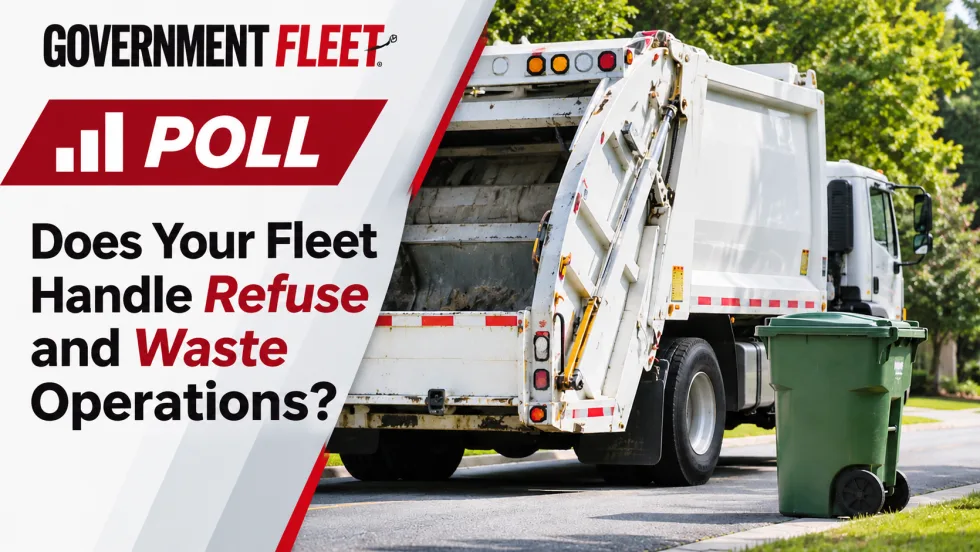
Does Your Government Fleet Handle Refuse and Waste Operations? Take Our Poll
Government Fleet wants to hear from public-sector fleet professionals about their responsibilities for refuse collection and waste management equipment.
Fleet Replacement Decisions, Waste Fleet Technology and the GFX Deadline
Is your next vehicle the right fit, can your records settle a missed pickup dispute, and what could your fleet teach others at GFX 2027?
Is Delaying Fleet Replacement Really Saving Money?
Could delaying replacement cost your fleet more than it saves? This week’s recap takes a closer look, plus an update on GFX 2027.

What Government Fleets Are Missing About Their True Costs
What are fleet budgets missing, and how can agencies use the data they already collect to make a stronger case for change?
Rethinking Fleet Decisions From the Budget Office to the Shop
This October we looked back at how public fleets are reconsidering familiar processes and using what they learn to make better decisions.
Who Owns the Message on a Refuse Truck?
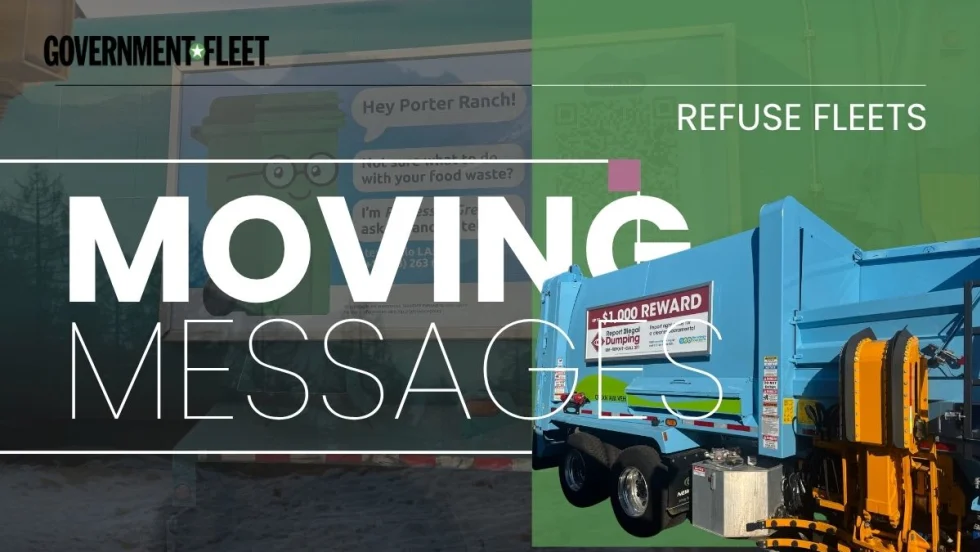
Refuse trucks can carry public messages into neighborhoods, but keeping those messages current takes planning and clear responsibility.
Who Deserves Fleet Recognition and What Could You Teach at GFX?
Who helped shape your fleet career, and what have you learned that could help someone else?

What’s Haunting Public Sector Fleets?
Public sector fleet challenges rarely happen in isolation, and addressing one often means understanding how it connects to another.
Is Keeping Older Fleet Vehicles Really Saving Money?
Is keeping vehicles longer saving money, and what happens when a diagnostic test points to the wrong fix?